
Saint Petersburg
2010
No user ratings available yet
Representation score: 1.8 out of 10
Representation Score
Minimal
1996
Director
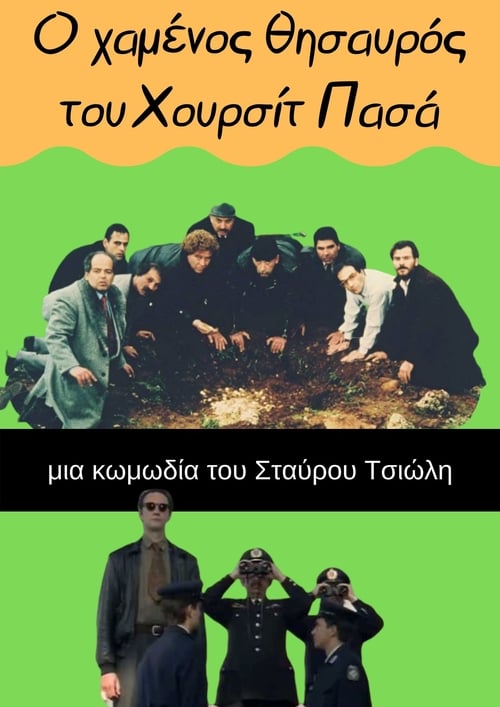
Stavros Tsiolis
Runtime
125 minutes
Average Rating
No ratings yetNew Showbiz Analysis
The film operates as a traditional adventure-comedy, relying on well-known genre clichés such as the accidental prison break and the treasure quest. These narrative structures do not challenge or subvert conventional social hierarchies. Representation in the film is limited, focusing on a localized and male-centric ensemble of convicts and a musician. The narrative does not incorporate a diverse range of identities or multi-layered complexity. Ultimately, the work aligns with mid-1990s cinematic structures, prioritizing regional adventure over the inclusion of underrepresented groups or subversive character arcs.
Category Breakdown
The film does not include any LGBTQ+ characters or stories about non-cisgender identities. The main plot revolves around a treasure hunt and the male protagonist's romantic motivations.
The story focuses on a group of male convicts and a male musician. There are no prominent female roles or ability to act in the driving plot.
Set in Greece, the film features a mostly Greek cast. While there are historical connections to Hursit Pasha, the narrative remains within a relatively homogeneous cultural framework.
The film follows typical adventure-comedy conventions. It does not critique Western institutions or explore specific ideological frameworks like secularism or anti-capitalism.
There is no information about the depiction of physical, neurodivergent, or mental health conditions within the film.
Present on Screen
Limited or Absent
Official Synopsis
On 29 January 1993 eighty prisoners escaped from an Athens prison. Well, in actual fact one convict escaped, a guy named Vassilis, for his beloved in Amalliada, but in his hurry he forgot the prison door open and little by little another seventy-nine got out... The film follows the eleven who made it down to the Peloponnese... with them an old musician who has a map he bought from a Greek in America for $2500 with the lost treasure of General Hursit Pasha.
2010
1981
1979

1966

1990

1964

2007

1963
No reviews yet. Be the first to share your thoughts on this movie!
Use the rating form above to leave a star rating and optional review.