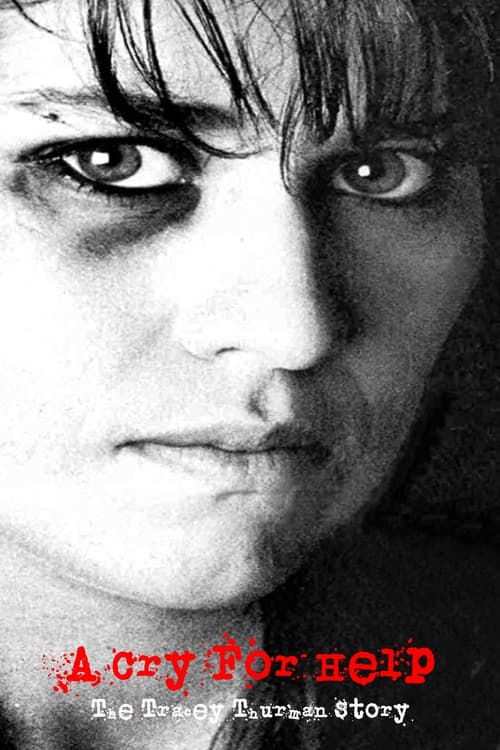
A Cry for Help: The Tracey Thurman Story
1989
No user ratings available yet
Representation score: 3.5 out of 10
Representation Score
Good
2020
TV-14Director
Danishka Esterhazy
Runtime
87 minutes
Average Rating
No ratings yetNew Showbiz Analysis
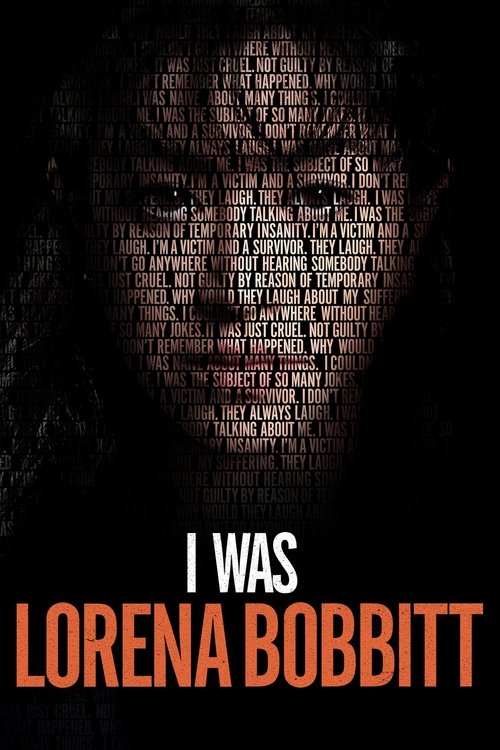
I Was Lorena Bobbitt successfully reinterprets a significant media event by shifting the focus from sensationalism to the systemic failures of domestic safety and media ethics. By centering the survivor's experience, the film challenges common true-crime clichés. The work excels in its critique of patriarchal power structures and Western institutions, moving beyond a punitive legal perspective to explore situational ethics and trauma. However, the film remains limited by its narrow biographical scope, focusing primarily on a specific historical demographic.
Category Breakdown
The film focuses solely on a heterosexual relationship and does not include any LGBTQ+ characters or non-cisgender identities.
The movie challenges traditional gender roles by highlighting the strength and resilience of women in the face of domestic abuse. It emphasizes female empowerment and the reclaiming of power.
The casting accurately reflects the historical racial demographics of the real-life subjects, avoiding whitewashing but not featuring a racially diverse cast.
The film critiques Western institutions such as the American legal system and sensationalist media. It examines the breakdown of social norms and the traditional family structure.
The story explores psychological trauma and mental health issues arising from long-term abuse, serving the narrative of survival rather than inspirational stories.
Present on Screen
Limited or Absent
Official Synopsis
Meet the once-battered woman who overcame years of abuse and a sensational televised trial to become an advocate for victims of domestic violence everywhere.
1989

2002

2022
2025
1994
2020
1993

2022
No reviews yet. Be the first to share your thoughts on this movie!
Use the rating form above to leave a star rating and optional review.