
A Cry for Help: The Tracey Thurman Story
1989
No user ratings available yet
Representation score: 3.5 out of 10
Representation Score
Fair
1993
TV-14Director
Harry Winer
Runtime
95 minutes
Average Rating
No ratings yetNew Showbiz Analysis
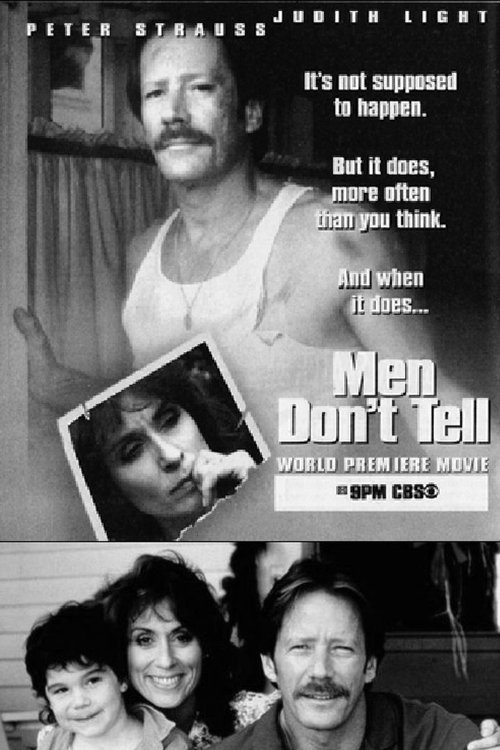
Men Don't Tell stands out by addressing the often-overlooked issue of male victims of spousal abuse. By reversing the traditional domestic power dynamic, the film challenges societal expectations of male stoicism and dominance. The narrative successfully deconstructs gendered archetypes, offering a nuanced look at how power operates within a marriage. This subversion of the 'protector' role marks a significant departure from standard television movie clichés of the era. While the film excels in subverting gender roles, it lacks specific information about racial, ethnic, or disability representation. The thematic depth focuses primarily on disrupting traditional family structures.
Category Breakdown
The film explores non-traditional domestic power structures but does not explicitly mention any LGBTQ+ identities.
The story subverts traditional gender roles by showing the wife as the aggressor and the husband as the victim, reversing the typical dynamic.
No information is available about the racial composition of the cast, so the diversity of ethnic backgrounds cannot be assessed.
The narrative critiques the sanctity of the traditional Western family unit by highlighting hidden domestic violence, moving toward a more complex understanding of interpersonal trauma.
The provided context contains no verifiable information regarding the inclusion of characters with physical or neurodivergent disabilities.
Present on Screen
Limited or Absent
Official Synopsis
This movie shows another side to spousal abuse that not too many people thought is possible--the husband being abused and the wife the abuser.
1989

2002

1994
1990
2020
1994
1993

1996
No reviews yet. Be the first to share your thoughts on this movie!
Use the rating form above to leave a star rating and optional review.