
Flash of Genius
2008
No user ratings available yet
Representation score: 3.0 out of 10
Representation Score
Minimal
1988
PGDirector
Francis Ford Coppola
Runtime
111 minutes
Average Rating
No ratings yetNew Showbiz Analysis
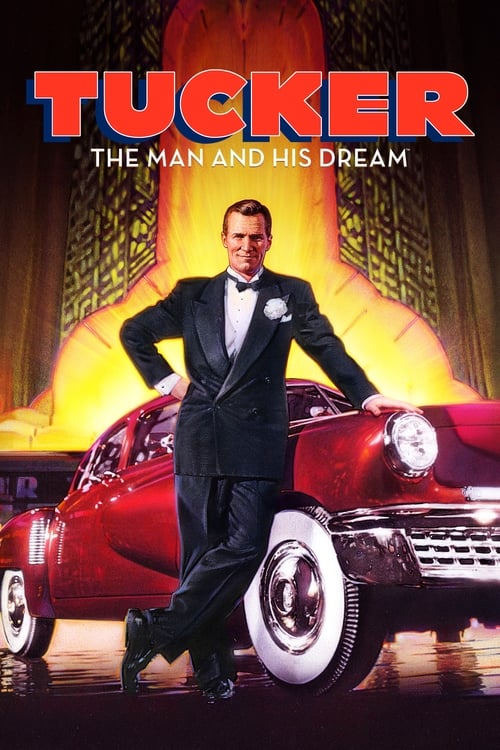
Tucker: The Man and His Dream is a period drama that focuses on systemic critique rather than demographic diversity. It excels at deconstructing institutional power, presenting established corporate and regulatory hierarchies as predatory forces against individuals. However, the film remains deeply rooted in the social constraints of its 1945 setting. This results in a lack of racial and LGBTQ+ representation, as well as a reliance on traditional gender roles where women's ability to drive the story is limited to the domestic sphere. Ultimately, the film is a study of industrial corruption rather than a diverse social tapestry. While it challenges the integrity of Western institutions, it does so through a very narrow, homogeneous lens.
Category Breakdown
The film follows a strictly straight-centered structure typical of the mid-1940s. There are no indications of queer subtext or non-cisgender identities among the characters.
Gender roles adhere to traditional hierarchies of the 1940s. While Muriel Tucker provides emotional support, the plot's industrial and legal battles are primarily driven by men.
The film depicts a largely homogeneous post-WWII industrial landscape. The central social and corporate circles are predominantly white, reflecting the era's lack of integration.
The film strongly critiques capitalist power. It portrays the 'Big Three' automakers and regulatory bodies as corrupt entities that undermine individual innovation.
There are no significant portrayals of physical, sensory, or neurodivergent disabilities. Characters operate within a standard range of physical abilities without any disability-related storylines.
Present on Screen
Limited or Absent
Official Synopsis
Ypsilanti, Michigan, 1945. Engineer Preston Tucker dreams of designing the car of future, but his innovative envision will be repeatedly sabotaged by his own unrealistic expectations and the Detroit automobile industry tycoons.
2008
1949

1999

1957
2019
1971

2015
1979
No reviews yet. Be the first to share your thoughts on this movie!
Use the rating form above to leave a star rating and optional review.