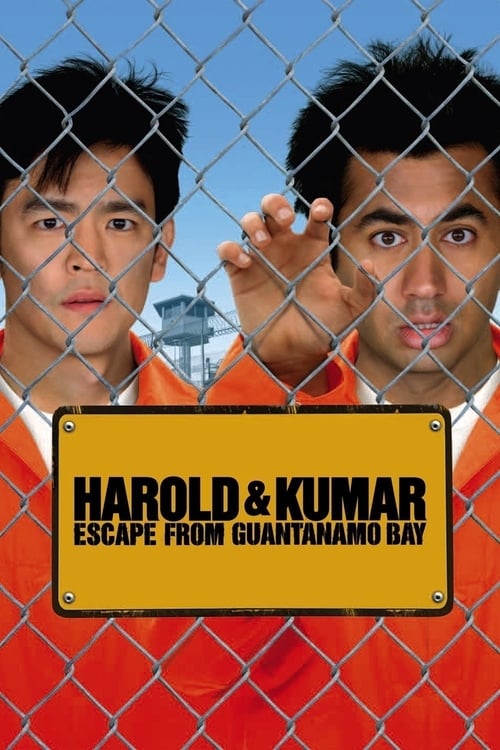
Harold & Kumar Escape from Guantanamo Bay
2008
No user ratings available yet
Representation score: 4.2 out of 10
Representation Score
Fair
2004
RDirector
Danny Leiner
Runtime
88 minutes
Average Rating
No ratings yetNew Showbiz Analysis
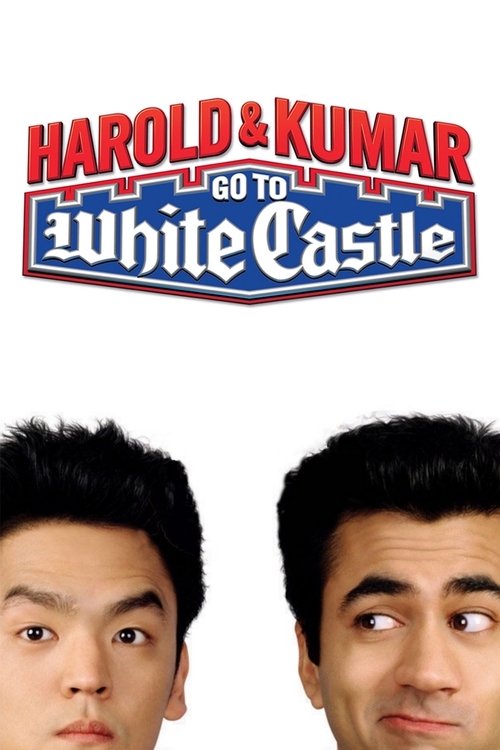
Harold & Kumar Go to White Castle stands out for its unconventional casting, which places South Asian and Asian-American actors in central roles, challenging traditional ethnic stereotypes. However, the film remains narrow in its social scope, focusing almost entirely on male camaraderie and leaving female characters with little autonomy. Additionally, the film lacks meaningful LGBTQ+ representation or queer ability to act, sticking to traditional comedic structures.
Category Breakdown
The film focuses on heterosexual relationships and lacks significant representation of LGBTQ+ identities. A cameo by Neil Patrick Harris plays with his celebrity persona but does not provide substantial queer representation.
The story emphasizes male camaraderie, with male characters taking central roles. Female characters are primarily relegated to supporting roles, often serving as romantic interests or plot catalysts.
The film breaks Hollywood norms by featuring South Asian and Asian-American actors in lead roles. It challenges the 'model minority' stereotype by depicting protagonists as irreverent and rebellious.
The film portrays anti-social behaviors and rebellion against authority as comedic liberation. It prioritizes individualistic desires and situational ethics over traditional civic responsibility.
There are no significant depictions of visible or invisible disabilities that drive the narrative or serve as central character arcs.
Present on Screen
Limited or Absent
Official Synopsis
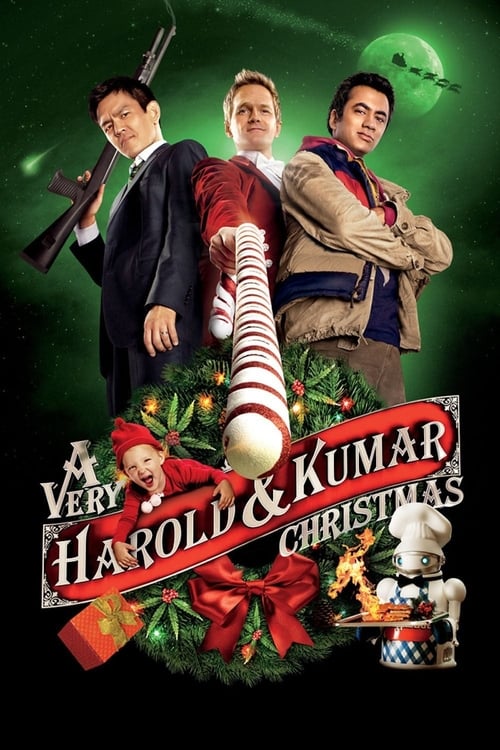
Nerdy accountant Harold and his irrepressible friend, Kumar, get stoned watching television and find themselves utterly bewitched by a commercial for White Castle. Convinced there must be one nearby, the two set out on a late-night odyssey that takes them deep into New Jersey. Somehow, the boys manage to run afoul of rednecks, cops and even a car-stealing Neil Patrick Harris before getting anywhere near their beloved sliders.
2008
1985
1983
2006

2000
1991
2011
1985
No reviews yet. Be the first to share your thoughts on this movie!
Use the rating form above to leave a star rating and optional review.