
Captain Ron
1992
No user ratings available yet
Representation score: 1.2 out of 10
Representation Score
Limited
1991
PG-13Director
Dan Aykroyd
Runtime
94 minutes
Average Rating
No ratings yetNew Showbiz Analysis
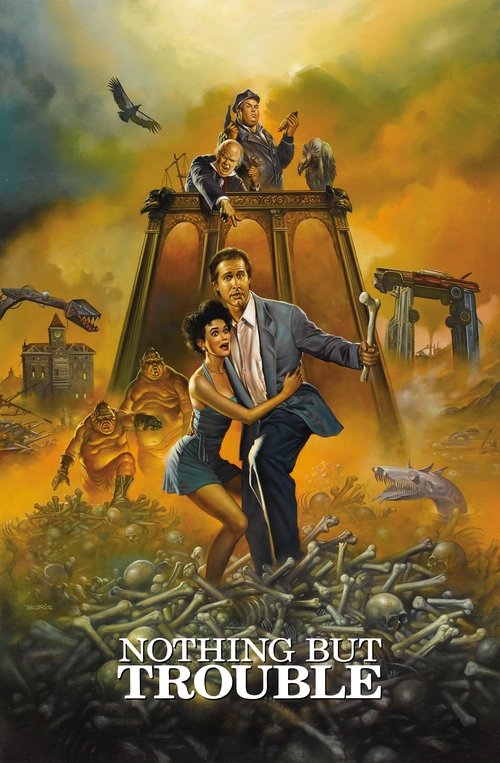
Nothing But Trouble is a work of postmodern surrealism that emphasizes aesthetic chaos over demographic diversity. The film focuses on a grotesque vision of social breakdown rather than exploring multiple aspects of identity. While the narrative challenges the sanctity of traditional authority, it fails to provide meaningful representation for underrepresented identities. Characters are often subjects of the grotesque rather than empowered individuals.
Category Breakdown
The film does not include any characters or storylines that explore LGBTQ+ identities. It follows a traditional comedic structure that doesn't address non-straight or non-cisgender identities.
Gender roles in the film follow typical 1990s conventions. Diane Lightson, a professional lawyer, mainly serves as a catalyst for the male protagonist’s journey.
The cast is mostly white, and the narrative does not highlight diverse ethnic perspectives. The setting is surreal and abstract, rather than a space for ethnic exploration.
The film criticizes social order through postmodern absurdity and surreal horror. Legal structures are portrayed as corrupt and sadistic, challenging traditional authority.
Physical deformities are used as tools for body horror, functioning as visual spectacles rather than meaningful representations of disabilities.
Present on Screen
Limited or Absent
Official Synopsis
While attempting to seduce gorgeous lawyer Diane Lightson, wealthy gadabout Chris Thorne agrees to drive her to Atlantic City, N.J. But, when some reckless driving draws the attention of a deeply critical cop, they and the flamboyant "Brazillionaires" who tagged along end up in the court of a grotesque and vengeful judge, who has a special vendetta against the wealthy and erudite.
1992

1979
1983
1998

1987

1965
1994

1974
No reviews yet. Be the first to share your thoughts on this movie!
Use the rating form above to leave a star rating and optional review.