Happy Bhag Jayegi
2016
No user ratings available yet
Representation score: 3.9 out of 10
Representation Score
Fair
2015
NRDirector
Kabir Khan
Runtime
159 minutes
Average Rating
No ratings yetNew Showbiz Analysis
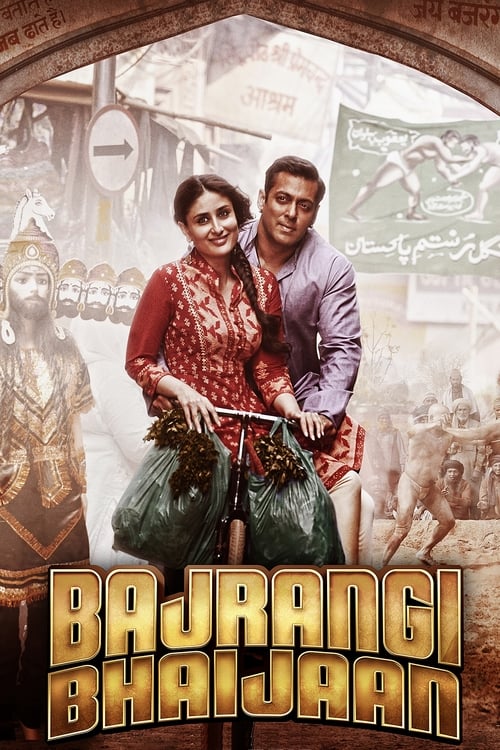
Bajrangi Bhaijaan is a humanist drama that dismantles geopolitical and religious divisions. By emphasizing the bond between characters of different faiths, it challenges the notion of 'the other' and fosters a morality based on empathy rather than borders. However, the film adheres to traditional social structures. Gender roles are predominantly paternalistic, with female characters often positioned in roles of vulnerability or maternal longing rather than as independent agents. Despite its sophisticated political commentary, the film’s progressive impact is limited by these traditional elements. Overall, the film excels as a nuanced exploration of identity and communication. It leverages disability and religious the way different parts of someone's identity overlap to craft a compelling narrative about human connection that transcends institutional laws.
Category Breakdown
The film does not include any LGBTQ+ characters or explore non-straight relationships. It focuses solely on traditional family and romantic structures.
Gender roles follow conventional patterns, featuring a male protagonist in a fatherly position. Female characters primarily serve as emotional catalysts rather than as independent drivers of the plot.
The story stands out by highlighting a relationship between a Hindu man and a Muslim child. This disrupts sectarian hierarchies and promotes a shared sense of humanity.
The narrative criticizes rigid nationalism and the artificiality of geopolitical borders. It emphasizes universal human empathy over strict national boundaries.
Speech impediments and mutism play key roles in the characters' identities and the emotional journey. These conditions are woven into the conflict without being mocked.
Present on Screen
Limited or Absent
Official Synopsis
A young mute girl from Pakistan loses herself in India with no way to head back. A devoted man with a magnanimous spirit undertakes the task to get her back to her motherland and unite her with her family.
2016

2009
2020

2004
2021
2001

2016
2018
No reviews yet. Be the first to share your thoughts on this movie!
Use the rating form above to leave a star rating and optional review.