
Kilometers and Kilometers
2020
No user ratings available yet
Representation score: 5.5 out of 10
Representation Score
Excellent
2018
Director
John Upchurch
Runtime
93 minutes
Average Rating
No ratings yetNew Showbiz Analysis
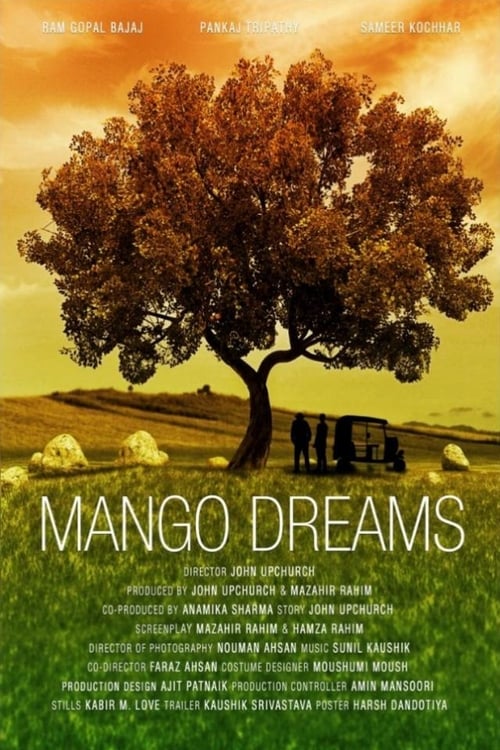
Mango Dreams uses a road-movie format to explore the intersection of religious, social, and cognitive identities. By pairing a Hindu physician with a Muslim driver, the film challenges sectarian clichés and emphasizes human connection over religious differences. The film effectively portrays religious pluralism and multi-layered relationships between different social and religious classes. It also provides a nuanced look at masculinity through a protagonist dealing with cognitive decline. However, the narrative remains predominantly male-focused, lacking significant women's ability to drive the story or diverse gender perspectives. Additionally, there is no visible LGBTQ+ representation or exploration of queer identities.
Category Breakdown
The film highlights a platonic relationship between two men, focusing on their interfaith bond rather than exploring queer identities or non-straight relationships.
The story centers around a male protagonist's journey, which challenges traditional masculine stereotypes through his experience with dementia. However, there is no significant women's ability to drive the story or representation.
The film showcases a partnership between a Hindu doctor and a Muslim driver, highlighting the intersection of religion, ethnicity, and social class in India.
The narrative emphasizes religious pluralism by depicting a friendship that transcends sectarian boundaries. It critiques religious tribalism by focusing on personal memories rather than institutional doctrine.
The film offers a nuanced portrayal of dementia, providing a sophisticated look at the intersection of identity and cognitive decline.
Present on Screen
Limited or Absent
Official Synopsis
A Hindu doctor with dementia and a Muslim auto rickshaw driver form an unlikely friendship as they cross India in search of the doctor's childhood home.
2020

2002
2014

2017

2023

2005

2015
2018
No reviews yet. Be the first to share your thoughts on this movie!
Use the rating form above to leave a star rating and optional review.