
The Merry Widow
2007
No user ratings available yet
Representation score: 3.2 out of 10
Representation Score
Fair
2012
Director
Sylvie Testud
Runtime
97 minutes
Average Rating
No ratings yetNew Showbiz Analysis
Sylvie Testud’s film is a nuanced character study that explores the complexities of modern life. By using a temporal shift, the film challenges the assumption that material success guarantees happiness. It excels in subverting traditional gender roles and critiques the societal emphasis on marriage and motherhood as ultimate goals. However, the film’s focus on a homogeneous European setting limits its representation of racial and LGBTQ+ diversity. Additionally, the central narrative lacks characters with disabilities that serve as key drivers of the plot. Overall, the film offers a thought-provoking critique of Western lifestyle ideals, emphasizing a more complex understanding of female independence and identity.
Category Breakdown
The central romantic relationship between Marie and Paul follows a conventional heterosexual path. Although the film touches on themes of identity fluidity, there is limited explicit representation of LGBTQ+ characters in the main plot.
Marie is portrayed as a strong, independent woman who navigates significant life changes. The film challenges traditional gender roles by questioning the satisfaction derived from marriage and motherhood.
The production focuses on a specific French socioeconomic milieu. The cast and setting reflect a relatively homogeneous European demographic centered in Paris and rural France.
The story questions the notion of success by highlighting the emotional emptiness associated with material wealth and career achievements. It emphasizes personal fulfillment over traditional measures of success.
The film does not prominently feature characters with physical or neurodevelopmental disabilities that play a central role in the narrative.
Present on Screen
Limited or Absent
Official Synopsis
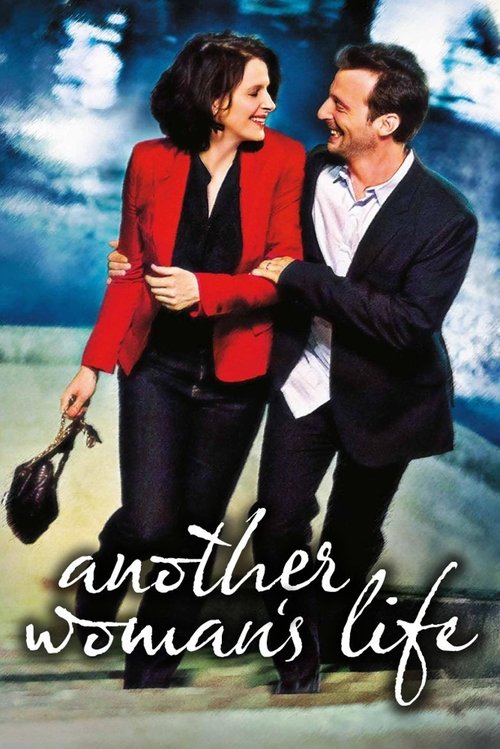
When the fun loving Marie sets her eyes on brooding comic book artist Paul, it sets off the kind of romantic sparks that quickly culminate in the bedroom. But the next morning brings its share of surprises as Marie crawls out of bed to discover her life flash-forwarded fifteen years down the road: Not only has she been married to Paul all this time, but she’s now the mother of a little boy the head of a powerful multinational investment firm and the proprietor of a fabulous apartment overlooking the Eiffel Tower. Quickly Marie discovers that all her achievements have not brought happiness.
2007

2012
1999
1999

2012
2004
2005

2011
No reviews yet. Be the first to share your thoughts on this movie!
Use the rating form above to leave a star rating and optional review.