
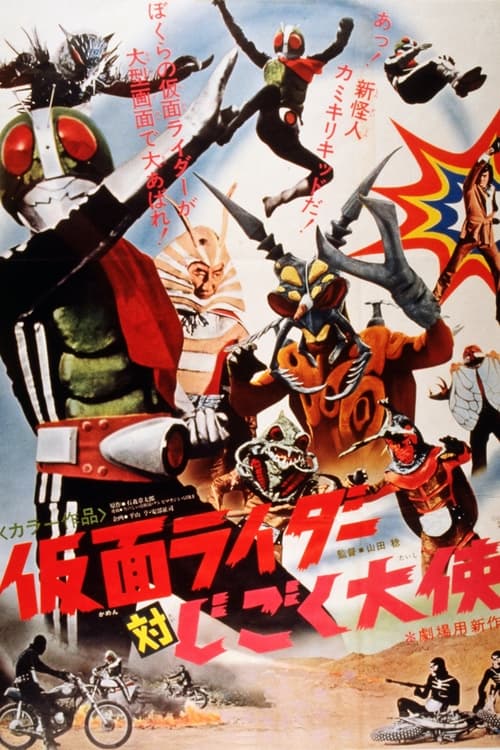
Kamen Rider vs. Shocker
1972
No user ratings available yet
Representation score: 2.3 out of 10
Representation Score
Limited
1972
Director
Minoru Yamada
Runtime
36 minutes
Average Rating
No ratings yetNew Showbiz Analysis
Kamen Rider vs. Ambassador Hell is a quintessential 1970s action piece built on traditional heroism and masculine ability to act. The narrative relies on clear moral binaries and does not aim to disrupt conventional social expectations. The film serves as a culturally specific hero narrative, reinforcing the established social and gender hierarchies of its era. However, it lacks the diversity needed to challenge or expand beyond the domestic social context of its time.
Category Breakdown
The film centers on a traditional masculine hero dynamic between Takeshi Hongo and Kazuya Taki. It does not include any non-straight or non-cisgender identities or same-sex intimacy.
The story emphasizes male protagonists involved in combat and espionage. Other characters are rescued but remain passive, reinforcing traditional gender hierarchies.
The production reflects the culturally homogeneous Japanese society of 1972. It lacks diverse representation but avoids harmful racial stereotypes.
The story uses a classic good versus evil framework. The protagonists defend social order against the systemic threat posed by Shocker.
There is no documented evidence of the portrayal of physical or neurodivergent disabilities in this work.
Present on Screen
Limited or Absent
Official Synopsis
Takeshi Hongo and FBI agent Kazuya Taki fake their deaths when they are attacked by Shocker soldiers during a motocross race. They disguise themselves as Shocker soldiers and infiltrate the main headquarters, but it doesn't take too long for Ambassador Hell to find their whereabouts and trap them. Before he detonates a bomb within the base, Ambassador Hell tells Kamen Rider #1 and Taki that Shocker is preparing a giant laser capable of destroying cities. Our two heroes must escape from the base's self-destruction and stop Shocker from arming their latest weapon. Not only that, they must rescue Tachibana and the racing club, who have been abducted by Shocker's minions.
1972
1988
1974
1988
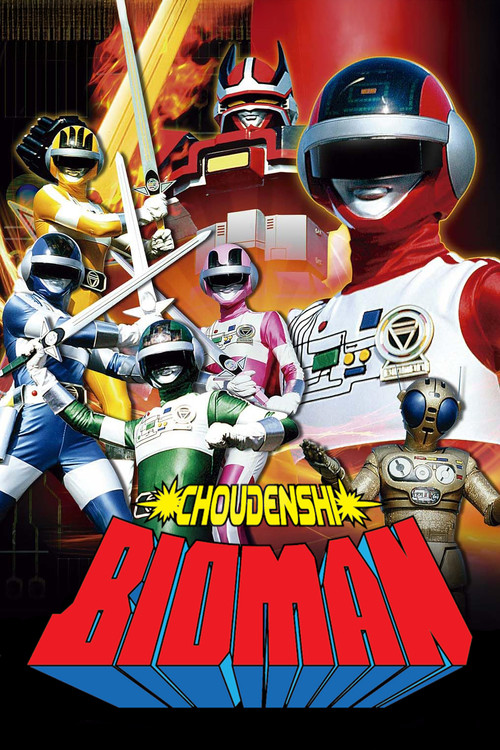
1984
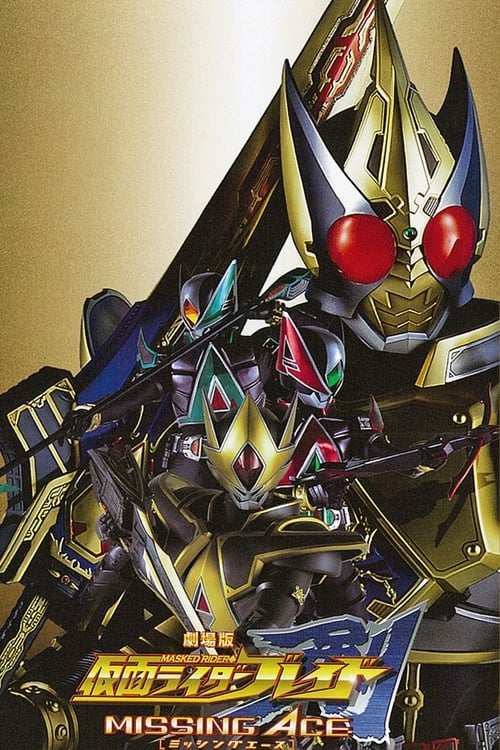
2004
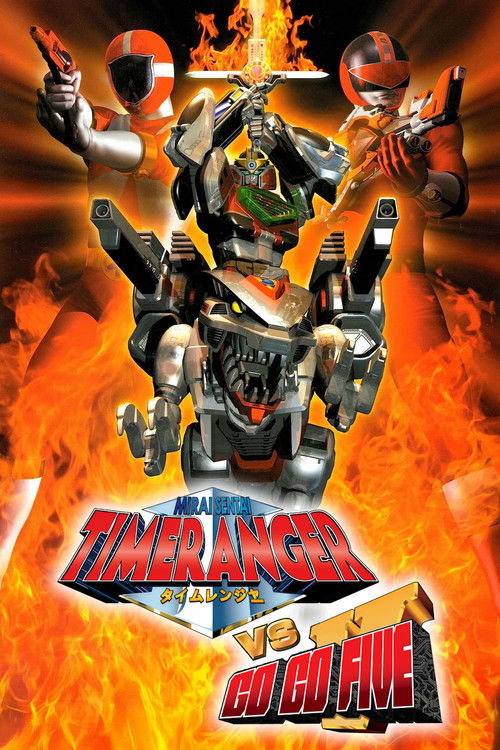
2001
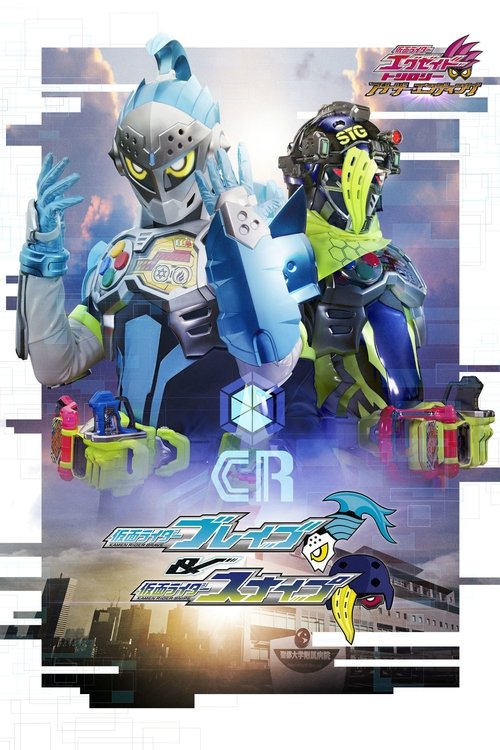
2018
No reviews yet. Be the first to share your thoughts on this movie!
Use the rating form above to leave a star rating and optional review.