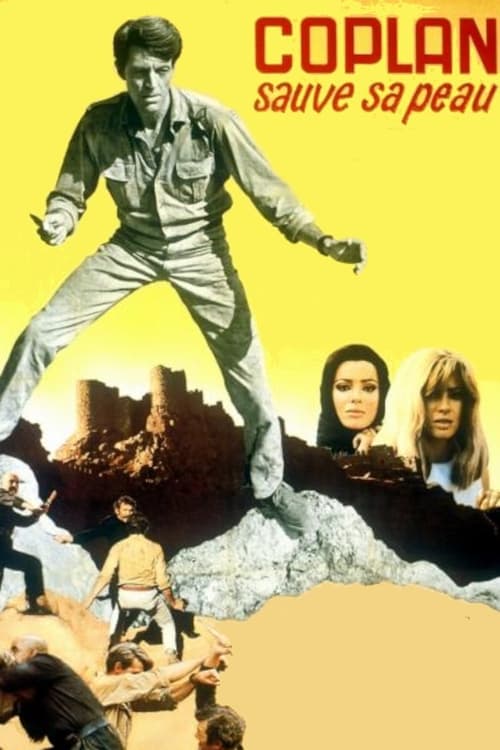
Coplan Saves His Skin
1968
No user ratings available yet
Representation score: 3.8 out of 10
Representation Score
Minimal
1964
Director
Henri Decoin
Average Rating
No ratings yetNew Showbiz Analysis
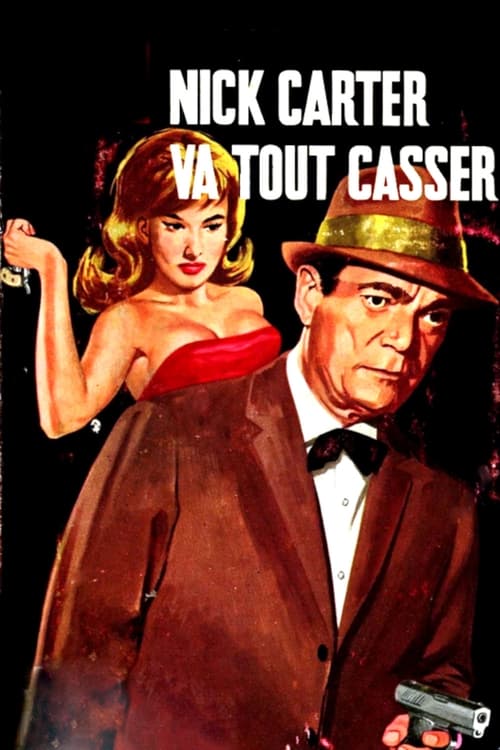
License to Kill is a classic example of its era, functioning as a traditional crime thriller. It relies heavily on established genre clichés and conventional character types common to 1960s French cinema. The narrative focuses on a local criminal conspiracy and individual heroism. It does not make intentional efforts to challenge social hierarchies or incorporate diverse perspectives into its structure. Ultimately, the film upholds the social and gender norms of its time without incorporating diverse representation.
Category Breakdown
The film follows a traditional mid-century crime storyline. It does not include characters with non-binary gender identities or stories that question the assumption that everyone is straight.
The story centers around a male-driven investigation. While Catherine plays a crucial role, she mainly serves as a catalyst for the male protagonist's actions.
The cast and setting reflect a predominantly homogeneous European population. There is no indication of significant racial mixing or multicultural engagement in the story.
The film adheres to traditional Western storytelling conventions. It operates within a well-established moral framework without questioning Western institutions or traditional family structures.
There is no evidence of characters with visible or invisible disabilities playing key roles or having specific ability to act in the plot.
Present on Screen
Limited or Absent
Official Synopsis
Didier Formenter, the French scientist, has just put the final touch on an invention that will be able to destroy to destroy any sort of flying apparatus. An international crime gang is very interested in stealing this equipement to sell it to the higher bidder of lawless nations. Menaced, the scientist, who was friends with Nick Carter's father, calls Nick for help. At Nice airport, Nick Carter escapes death, but that night he is unable to stop Formenter's murder. He suspects Bruno, Formenter's adoptive son, and Tonio, the owner of a bar near Formentier's home. Bruno is actually after Formenter's heritage, and for that he tries to kill Catherine, Formentier's granddaughter. Therefore, Nick Carter finds himself against more than a gang, but he will uncover the plots, in time to break every gangster apart.
1968
1968

1965

1966
1969
1973
1957
1975
No reviews yet. Be the first to share your thoughts on this movie!
Use the rating form above to leave a star rating and optional review.