
Manderley
1981
No user ratings available yet
Representation score: 5.5 out of 10
Representation Score
Fair
1980
Director
Svend Wam, Petter Vennerød
Runtime
83 minutes
Average Rating
No ratings yetNew Showbiz Analysis
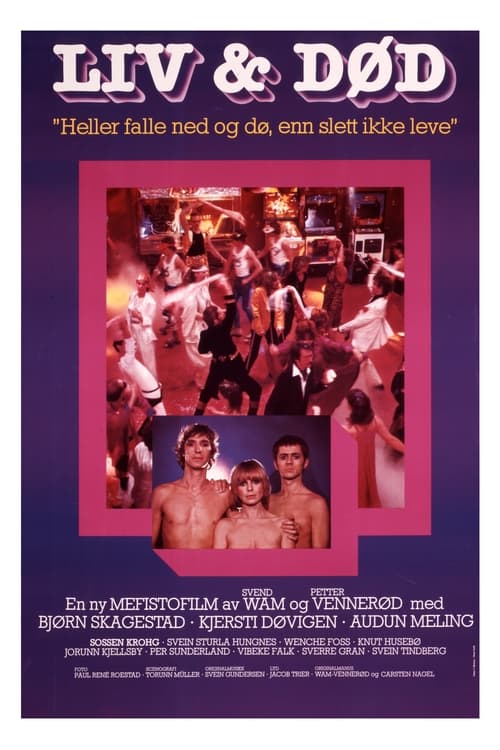
Life and Death is a thought-provoking drama that challenges conventional social expectations through its central narrative. By focusing on a non-straight relationship involving a gay medical student, the film deconstructs the traditional nuclear family and explores the tension between personal autonomy and societal homophobia. The film’s strength lies in its critique of systemic pressures faced by queer individuals and non-traditional domestic units. However, the film’s scope is limited by a lack of visible racial, ethnic, or disability representation. The focus remains tightly centered on the social and sexual dynamics of its specific Norwegian context.
Category Breakdown
The film focuses on a non-straight relationship involving a gay medical student at the center of a domestic arrangement. This setup challenges the traditional nuclear family model and examines the impact of societal homophobia.
The story subverts traditional gender roles by featuring a wife in an unconventional, polyamorous domestic setting. This approach avoids the submissive feminine stereotype and moves away from patriarchal models.
There is no specific evidence regarding the racial or ethnic composition of the cast. The narrative focus remains on interpersonal and social dynamics.
The film critiques traditional Western social institutions by presenting society as an antagonist to individual autonomy. It highlights non-traditional domestic units as valid alternatives to standard social norms.
There is no documented evidence suggesting the presence of characters with visible or invisible disabilities.
Present on Screen
Limited or Absent
Official Synopsis
When a married doctor brings home a gay medical student that he's smitten with, his wife goes along and the three try to build a non-traditional relationship. Then society's homophobia intervenes.
1981
1970
1978
2012
1982
1978
2014

2000
No reviews yet. Be the first to share your thoughts on this movie!
Use the rating form above to leave a star rating and optional review.