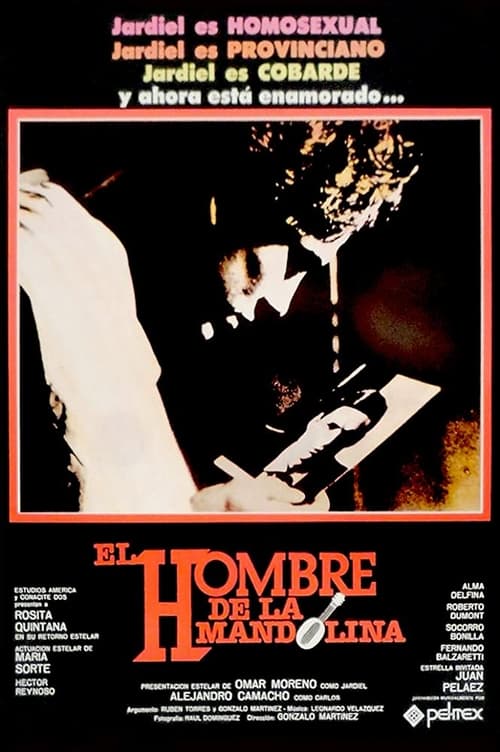
El hombre de la mandolina
1985
No user ratings available yet
Representation score: 6.3 out of 10

Representation Score
Fair
1981
Director
Jesús Garay
Runtime
103 minutes
Average Rating
No ratings yetNew Showbiz Analysis
Manderley stands as a significant historical example of progressive storytelling from the early 1980s. By centering queer identities during a period of intense social scrutiny, the film challenges traditional narrative conventions and offers a platform for underrepresented individuals. The film’s strength lies in its naturalistic portrayal of non-traditional interpersonal dynamics. It treats these identities as central to the characters’ lives rather than secondary plot points. However, the film remains limited by its narrow demographic focus. The absence of ethnic diversity and unclear gender dynamics prevent a more comprehensive representation of the broader human experience.
Category Breakdown
The film focuses on three homosexual protagonists and their shared summer in Santander. It presents their experiences as a natural part of life rather than a source of tragedy.
The film highlights domestic intimacy, which may challenge traditional gender roles. However, the specific roles and power dynamics between male and female characters are not clearly defined.
The story seems confined to the local socio-cultural context of Santander. There is no indication of a diverse cast or deviation from the region's demographics.
The film validates lifestyles considered transgressive at the time by focusing on secular, character-driven explorations of human connections.
The film does not feature any characters with physical or neurodivergent disabilities.
Present on Screen
Limited or Absent
Official Synopsis
This is the story of three homosexuals who decide to spend the summer together at the cottage that the parents of one of them have in Santander. The film shows naturally a series of attitudes then considered shocking and even unnatural.
1985

1970
1971

2016
1980
2009
1980

1974
No reviews yet. Be the first to share your thoughts on this movie!
Use the rating form above to leave a star rating and optional review.