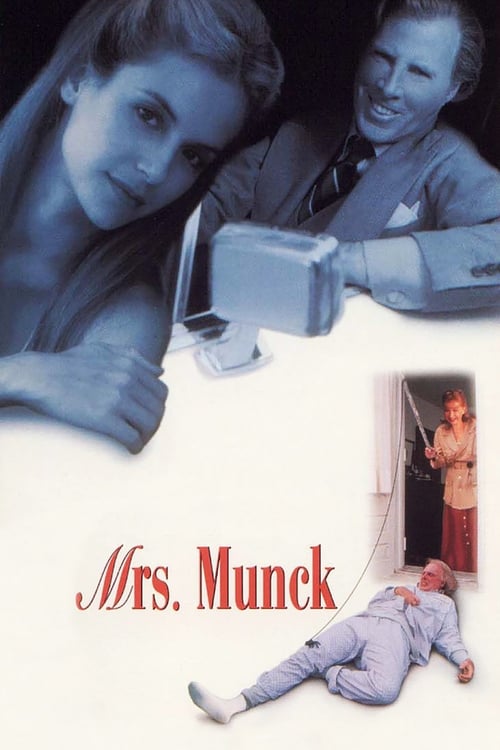
Mrs. Munck
1995
No user ratings available yet
Diversity score: 4.5 out of 10

2014
Director
Brian Petsos
Runtime
15 minutes
Average Rating
No ratings yetSynopsis
A wealthy and powerful man is betrayed by those closest to him, and under the guidance of his trusted confidant, devises a fiery requital.
Overall Score
Limited
Category Breakdown
LGBTQ+ Representation
The film lacks explicit depictions of non-cisnormative identities or same-sex intimacy. The narrative focuses on professional friction, leaving sexual orientation and gender identity largely unexamined.
Gender Representation
Characters adhere to traditional professional roles within standard office hierarchies. The film lacks a concerted effort to subvert masculine leadership or present gendered intellect as a site of disruption.
Racial & Ethnic Diversity
The cast is predominantly white, reflecting a homogeneous professional environment. The film opts for a culturally uniform workspace that mirrors traditional Western corporate demographics.
Religious & Cultural Diversity
The narrative succeeds by critiquing the emptiness of modern corporate existence. It highlights the absurdity of institutionalized labor and the systemic alienation found within capitalist structures.
Disability Representation
There are no prominent depictions of visible or invisible disabilities. Struggles are framed through social awkwardness and psychological isolation rather than neurodivergence or physical disability.
Strengths
Areas for Improvement
AI Analysis
Ticky Tacky functions as a postmodern deconstruction of the workplace, prioritizing a critique of capitalist monotony over demographic intersectionality. It effectively challenges the perceived meaning of Western professional institutions through its minimalist lens. However, the film fails to engage with identity politics. The casting and character agency lack the intentionality required to represent a diverse social spectrum, resulting in a homogeneous ensemble. Ultimately, the work is a study of systemic emptiness rather than a vehicle for social representation. Its strengths lie in structural critique rather than inclusive storytelling.
1995
2001

2007

2012
No reviews yet. Be the first to share your thoughts on this movie!
Use the rating form above to leave a star rating and optional review.