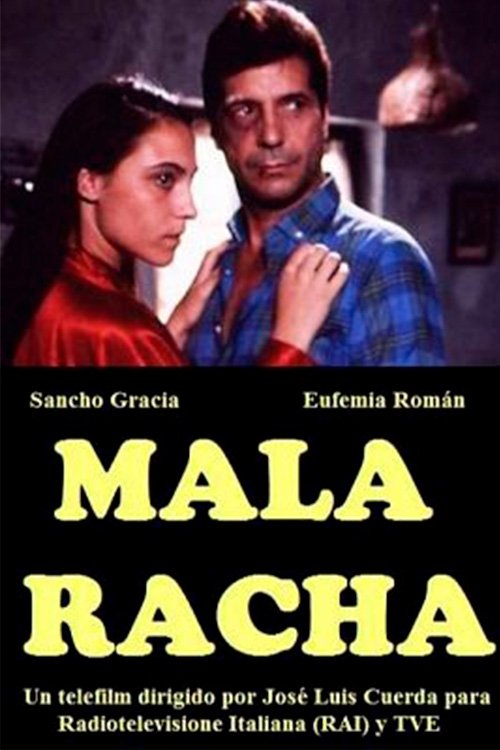
Mala Racha
1977
No user ratings available yet
Representation score: 2.0 out of 10

Representation Score
Limited
1987
Director
José Luis Garci
Runtime
94 minutes
Average Rating
No ratings yetNew Showbiz Analysis
José Luis Garci’s drama is a period-specific character study focused on the Spanish intellectual class. The film prioritizes historical authenticity and the internal lives of its characters over disrupting social hierarchies. It captures the friction of a transformative era through a traditionalist lens. The narrative structure leans towards classical storytelling, emphasizing the nuances of the Spanish intellectual tradition. While it explores the breakdown of social order during the Second Spanish Republic, it does so through personal relationships rather than systemic critiques. Overall, the film maintains a conservative approach to representation. It reflects the social constraints and demographic homogeneity of the 1930s without engaging with contemporary diverse social identities.
Category Breakdown
The film follows the romantic and social norms of its 1930s setting. There are no representations of gender identities that differ from the assumed straight and cisgender norms.
Female characters gain depth through their interactions with the intellectual class. However, the film sticks to traditional gender roles without challenging these norms.
The cast reflects a historically homogeneous demographic typical of the Spanish intellectual class. There is no intentional blending of races or inclusion of non-white actors.
The narrative uses religious and traditional institutions as part of the historical backdrop. It focuses on character-driven political tension rather than critiquing Western institutions explicitly.
There are no prominent depictions of visible or invisible disabilities. Characters with disabilities are not used as narrative devices in this story.
Present on Screen
Limited or Absent
Official Synopsis
A 50-year-old playwright (Jesus Puente) bemoans his fate from his secluded home in Northern Spain in this depressing drama. Side plots include an actress and former acquaintance who comes to visit and his amorous diversions with a 20-year-old local woman.
1977
1983

1977
1976
1978

1990

2001
1977
No reviews yet. Be the first to share your thoughts on this movie!
Use the rating form above to leave a star rating and optional review.