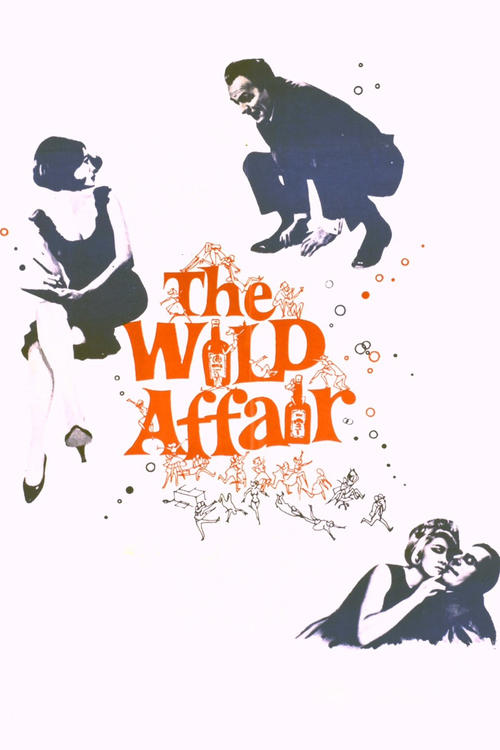
The Wild Affair
1965
No user ratings available yet
Diversity score: 1.4 out of 10
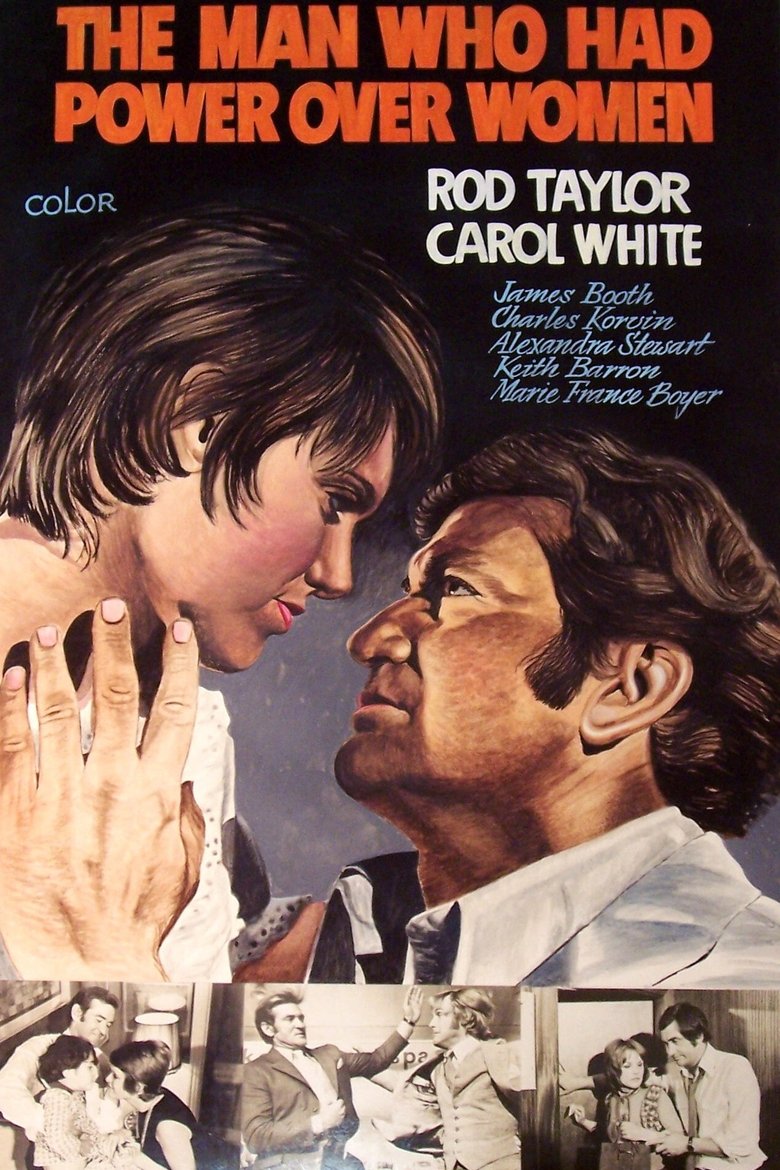
1970
RDirector
John Krish
Runtime
89 minutes
Average Rating
No ratings yetSynopsis
A successful talent agent enjoys the good life until his wife leaves him. He moves in with his friend and begins an affair with the man's wife. He also gets a new difficult client whose public image must be preserved at any cost.
Overall Score
Limited
Category Breakdown
LGBTQ+ Representation
The film lacks any discernible presence of LGBTQ+ characters or non-cisnormative identities. The narrative remains strictly within heteronormative interpersonal dynamics.
Gender Representation
The story centers on a skewed gender hierarchy and patriarchal dominance. It focuses on the mechanics of female subjugation rather than depicting women with high agency.
Racial & Ethnic Diversity
Set in rural England, the film features a homogeneous white British cast. There is no evidence of racial or ethnic diversity within the production.
Religious & Cultural Diversity
The film offers a significant critique of traditional British class structures and the landed gentry. It portrays these institutions as sites of moral decay and social dysfunction.
Disability Representation
There are no prominent depictions of physical or neurodivergent disabilities that serve as central narrative drivers in this work.
Strengths
Areas for Improvement
AI Analysis
The film functions as a psychological interrogation of systemic power rather than a celebration of diverse identities. It succeeds in deconstructing the moral authority of the British landed gentry, framing traditional social hierarchies as corruptive forces. However, the narrative is limited by a lack of intersectional representation. The cast is racially homogeneous, and the story lacks any LGBTQ+ presence or neurodivergent characters. While the film critiques patriarchal dominance, it does so through the lens of female subjugation rather than providing women with significant agency. This creates a narrow focus on gendered power imbalances.
1965
1959
1967
1973
1971

1974
1962
1979
1957

1967
1973
1981
No reviews yet. Be the first to share your thoughts on this movie!
Use the rating form above to leave a star rating and optional review.