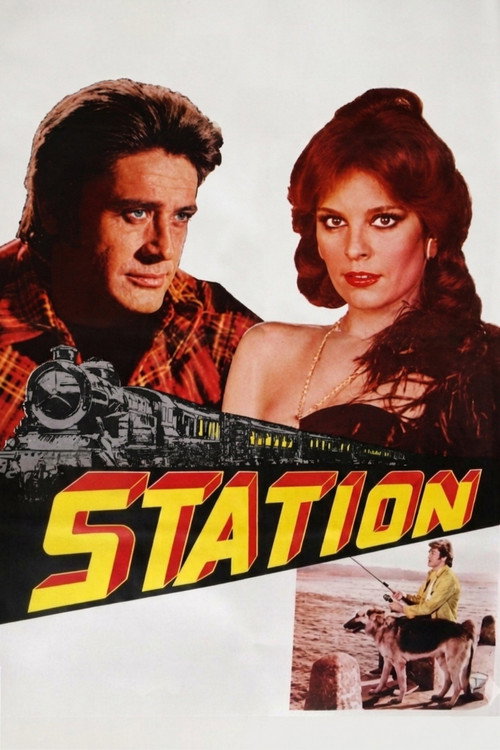
Station
1977
No user ratings available yet
Representation score: 3.1 out of 10
Representation Score
Fair
1975
Director
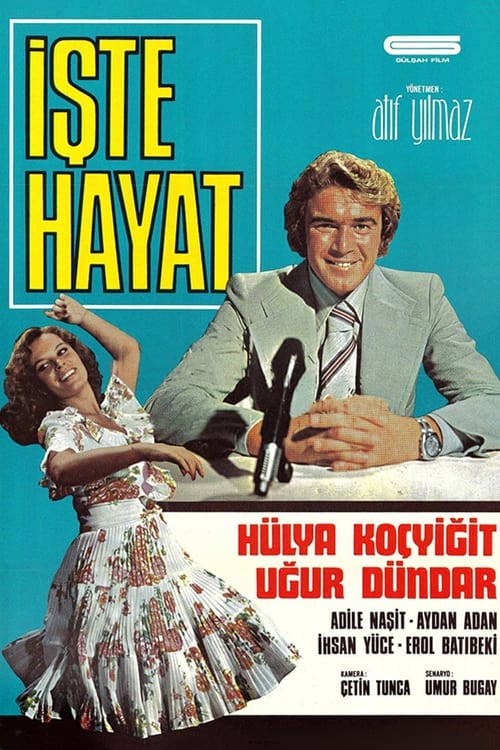
Atıf Yılmaz
Average Rating
No ratings yetNew Showbiz Analysis
Atıf Yılmaz’s work serves as a transitional text in Turkish cinema, moving away from passive clichés toward more complex social critiques. The film succeeds in challenging gendered power dynamics by empowering its female protagonists. However, the film is limited by the demographic homogeneity of the 1970s Yeşilçam era. It lacks modern markers of diversity, particularly regarding LGBTQ+ identities and disability representation. Ultimately, the film's value lies in its skepticism toward institutional authority and its portrayal of working-class characters navigating urban aspirations through unconventional means.
Category Breakdown
The film focuses on heterosexual relationships and transactions. It does not include any non-assuming gender matches what was assigned at birth identities or same-sex intimacy.
Ayşe and Makbule challenge traditional gender roles by driving the plot forward. They use deception and social skills to defy male authority.
The cast reflects a culturally uniform group typical of mid-1970s Turkish cinema. It portrays a specific national context without relying on external racial stereotypes.
The story critiques established power structures and the media elite. It explores moral ambiguity through characters who use blackmail for personal gain.
There are no visible or invisible disabilities shown in the film. Characters with disabilities are not used as narrative devices.
Present on Screen
Limited or Absent
Official Synopsis
The film tells the love story of a girl who wants to be famous and the television presenter she kidnaps. Ayşe is a poor girl who wants to be an actress. She and her mother Makbule make a plan to kidnap television presenter Uğur Dündar. Their goal is for Uğur to cast Ayşe in a film. To this end, they take inappropriate photos of Ayşe and use them to threaten Uğur. When the photographer who develops the films Makbule took recognizes Uğur, the police find him. Uğur also tries to make Ayşe an actress. However, as time goes on, Ayşe begins to realize she has no talent for it.
1977

2019
1971

1978
1980

1983
1986

2020
No reviews yet. Be the first to share your thoughts on this movie!
Use the rating form above to leave a star rating and optional review.