
Agnès Varda: From Here to There
2011
No user ratings available yet
Representation score: 7.3 out of 10
Representation Score
Good
2011
Director
Agnès Varda
Runtime
9 minutes
Average Rating
No ratings yetNew Showbiz Analysis
Agnès Varda’s documentary excels in subverting gendered power dynamics, positioning the female director as an intellectual equal to her male contemporary. This creates a professional landscape defined by mutual respect and active involvement. However, the film remains deeply rooted in a specific, homogeneous European intellectual milieu. This narrow focus limits racial and ethnic diversity, making the work feel localized to a specific cultural moment. Ultimately, the film trades broad demographic diversity for a deep, postmodern exploration of memory and identity. It succeeds as a cerebral study of creative companionship but lacks wide-ranging social representation.
Category Breakdown
The film does not include explicit LGBTQ+ identities or romantic plots. Instead, it highlights a fluid, philosophical companionship between Varda and Marker that moves away from traditional storytelling focused on straight relationships.
Varda disrupts traditional gender hierarchies by maintaining intellectual and technical parity with Marker. Her role as an active investigator establishes a balanced, non-hierarchical dynamic centered on professional involvement.
The study focuses on a homogeneous European intellectual circle, lacking active representation of diverse racial or ethnic groups.
The work prioritizes secular, artistic inquiry over religious frameworks. It treats the cinematic archive as a subjective construction rather than a fixed, institutional truth.
The film offers a nuanced look at the aging body and cognitive memory. It treats physical decline as a philosophical experience rather than a spectacle.
Present on Screen
Limited or Absent
Official Synopsis
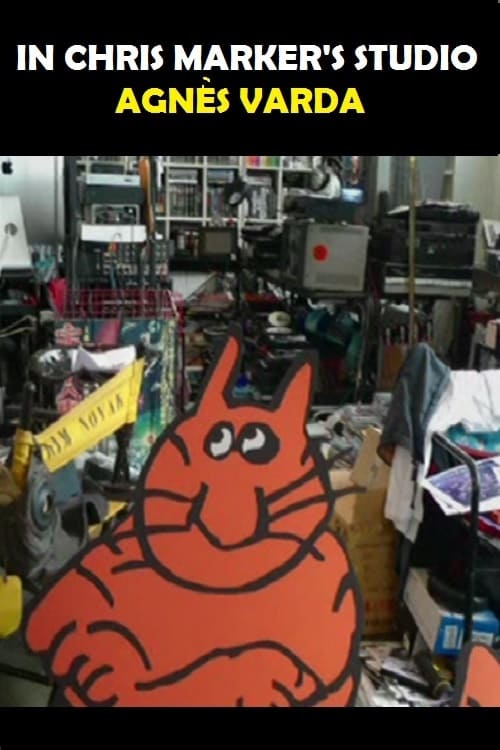
Two friends (and legendary French New Wave filmmakers) meet in real and virtual worlds.
2011
2008
2019

2017

1995

2014
2005

1986
No reviews yet. Be the first to share your thoughts on this movie!
Use the rating form above to leave a star rating and optional review.