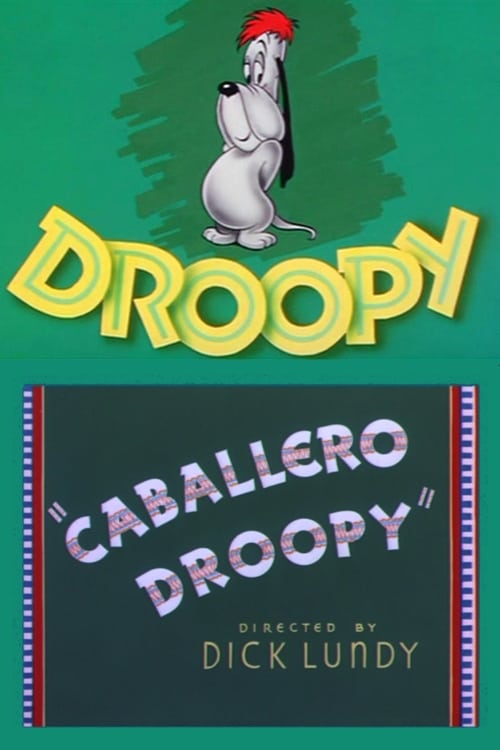
Caballero Droopy
1952
No user ratings available yet
Representation score: 0.6 out of 10

Representation Score
Minimal
1964
ApprovedDirector
Sid Marcus
Runtime
6 minutes
Average Rating
No ratings yetNew Showbiz Analysis
This 1964 animated short presents a straightforward narrative about a boy sneaking a dog into a boarding house. The story relies on traditional gender roles, with the male child driving the plot and the female adult enforcing rules. The cast is homogeneous, lacking diverse racial, ethnic, or LGBTQ+ identities. The cultural context is limited to a minor conflict between a child and an authority figure. There is no exploration of complex social or economic systems. The focus remains on the immediate, personal desire to keep a pet against institutional restrictions. Overall, the film offers a simple, child-centered perspective without addressing broader diversity themes. The lack of representation across multiple categories results in a low overall diversity score, reflecting the limited scope of the characters and their interactions.
Category Breakdown
The 1964 short contains no LGBTQ+ characters or same-sex relationships. The plot centers exclusively on a boy and his dog, with no romantic or identity-based themes present on screen.
Woody drives the action by buying and hiding his dog, while Mrs. Meany enforces the rules. The dynamic follows traditional roles, with the male child acting and the female adult serving as the authority figure.
The cast consists of a boy and a landlady with no indication of diverse racial or ethnic representation. The setting is a generic boarding house, and no characters of color are identified or shown in the available material.
The film highlights a minor conflict between personal desire and institutional rules within a boarding house. Mrs. Meany acts as a strict authority figure, but the story does not critique broader social or economic systems.
No characters with physical or mental disabilities appear in the film. The narrative centers on a healthy boy and a dog, with no plot points involving disability, chronic illness, or neurodivergence.
Present on Screen
Limited or Absent
Official Synopsis
While walking past a pet shop, a dog catches Woody's attention, Woody buys him, names him Duffy and takes him home., Woody lives at Mrs. Meany's Boarding House and no dog are allowed, so Woody goes through many attempts to sneak Duffy in under Mrs. Meany's nose.
1952

1968
1962
1963

1937

1962
1954

1952
No reviews yet. Be the first to share your thoughts on this movie!
Use the rating form above to leave a star rating and optional review.