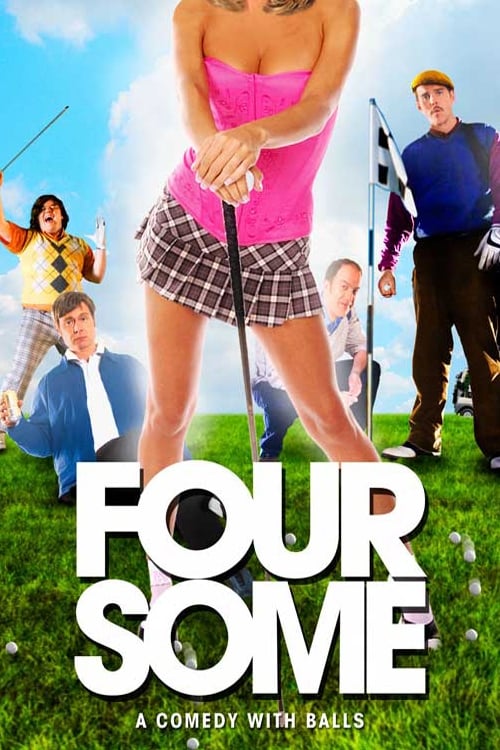
The Foursome
2006
No user ratings available yet
Representation score: 3.3 out of 10
Representation Score
Limited
1996
PGDirector
Giles Walker
Runtime
96 minutes
Average Rating
No ratings yetNew Showbiz Analysis
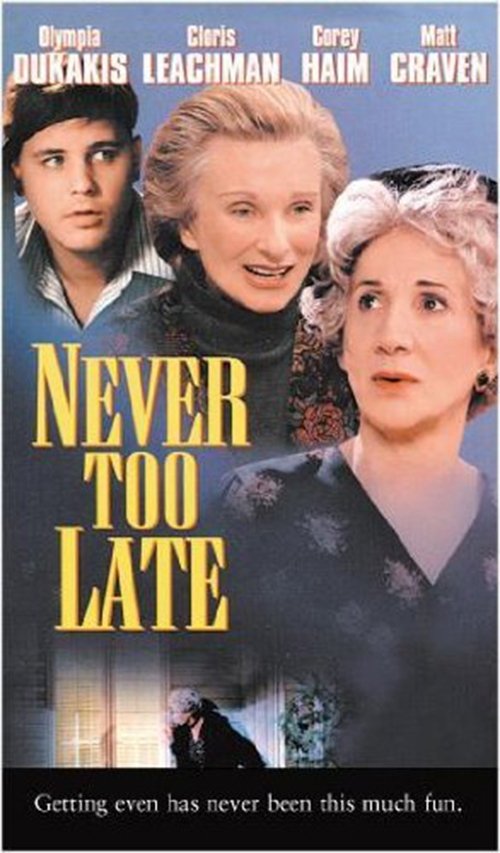
Never Too Late functions as a conventional ensemble comedy centered on a reunion mystery. The narrative follows a standard cliché of long-term friends investigating a death, which typically prioritizes established social bonds over the deconstruction of identity politics. Since the film lacks specific character descriptions or thematic depth regarding diverse identities, it remains a traditional mid-range comedic narrative. It does not demonstrate the hallmarks of intentional progressive representation or the systemic deconstruction of social institutions. Ultimately, the film reflects the standard comedic structures of its era, focusing on a localized group of friends rather than exploring diverse or subversive social perspectives.
Category Breakdown
The film does not explicitly show characters with diverse gender identities. It seems to follow the assumption that everyone is straight or cisgender, typical of mid-90s ensemble comedies.
The story revolves around a group of old friends, a common cliché that often reinforces traditional social circles. There is no visible challenge to gender hierarchies.
The premise centers on a localized, character-driven comedy. The casting likely follows a traditional model consistent with 1990s Western comedy productions.
The story focuses on personal friendships and investigations. It shows no indication of themes that would disrupt conventional social or familial norms.
There is no information regarding the inclusion of characters with physical or neurodivergent disabilities.
Present on Screen
Limited or Absent
Official Synopsis
Four old friends reunite to investigate the death of a good friend.
2006
1982
2010
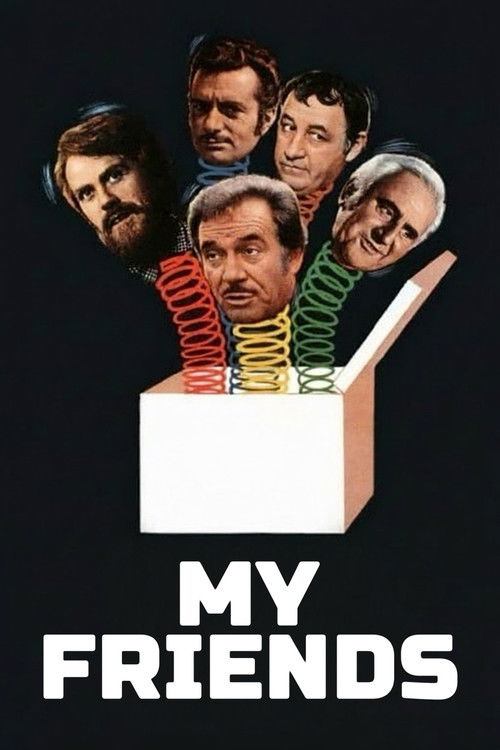
1975
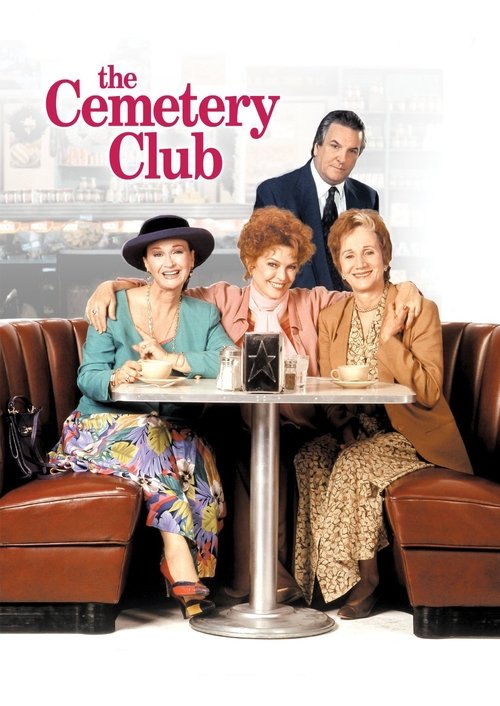
1993
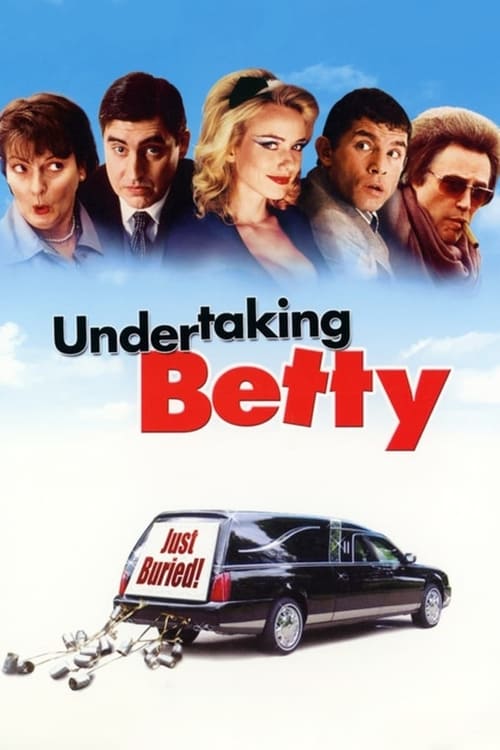
2002

2014
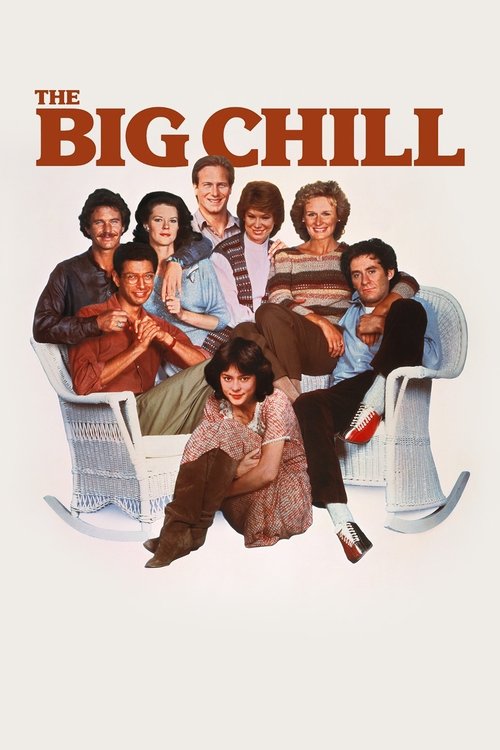
1983
No reviews yet. Be the first to share your thoughts on this movie!
Use the rating form above to leave a star rating and optional review.