
L'entourloupe
1980
No user ratings available yet
Representation score: 2.5 out of 10
Representation Score
Limited
1986
Director
Max Pécas
Runtime
87 minutes
Average Rating
No ratings yetNew Showbiz Analysis
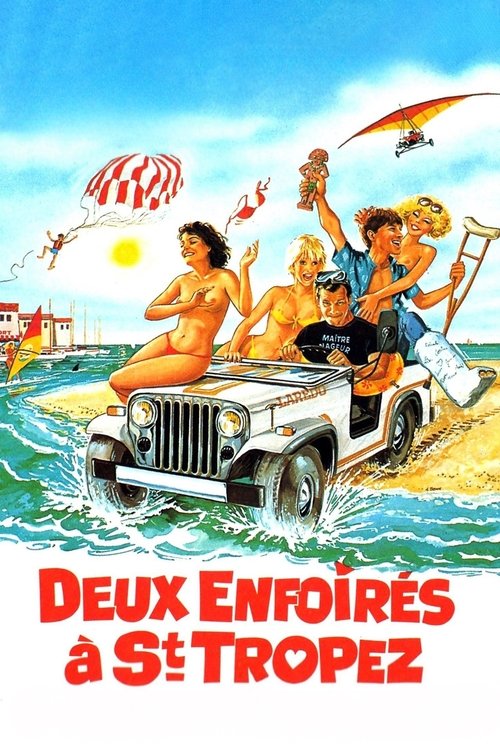
Two Bastards in Saint-Tropez is a traditional 1986 comedy that sticks closely to the genre conventions of its time. The narrative emphasizes standard comedic clichés and male-centric adventures over exploring diverse identities. The film does not intentionally disrupt social hierarchies. Instead, it functions primarily as escapist entertainment, reflecting the demographic and social norms of mid-to-late 20th-century European cinema without challenging them. Overall, the production offers limited characters who reflect more than one aspect of diversity or systemic critique, staying firmly within the established frameworks of 1980s slapstick and crime comedy.
Category Breakdown
The film does not include LGBTQ+ identities or narratives that challenge the assumption that everyone is straight. It follows the conventional comedic clichés popular in the 1980s.
The story centers on two male criminals, emphasizing male camaraderie. Women are not shown in roles of intellectual or physical strength.
Set in Saint-Tropez, the film implies a predominantly white, likely homogeneous European cast. It reflects the demographic norms of its era without significant racial diversity.
The narrative serves as escapist entertainment focused on criminal adventures. It does not critically examine Western institutions or societal norms.
Details about the portrayal of neurodivergence or physical disabilities are unclear. There is no evidence that disability is used as a central narrative device.
Present on Screen
Limited or Absent
Official Synopsis
A funny comedy about the adventures of two criminal friends in Saint-Tropez.
1980
1965

2018
1969
1964
1983
1981
1963
No reviews yet. Be the first to share your thoughts on this movie!
Use the rating form above to leave a star rating and optional review.