One Man Force
1989
No user ratings available yet
Representation score: 1.9 out of 10
Representation Score
Fair
1990
Director
Anatoliy Ivanov
Runtime
92 minutes
Average Rating
No ratings yetNew Showbiz Analysis
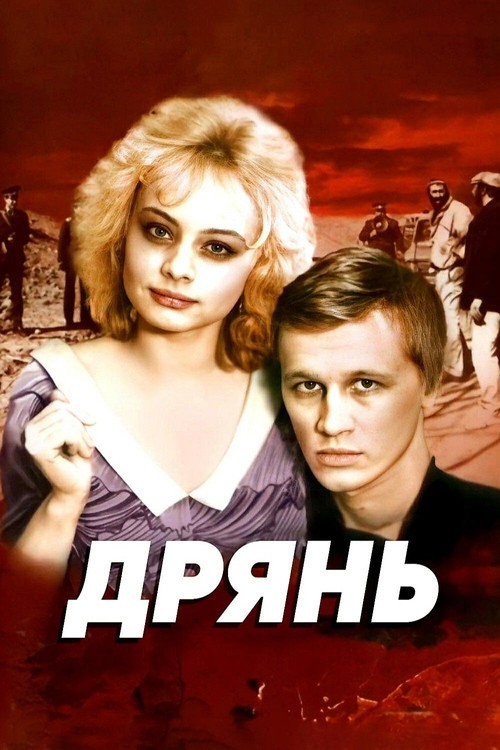
Junk is a gritty crime drama that prioritizes social realism over diverse representation. The narrative relies heavily on traditional masculine archetypes, centering on a male protagonist's vigilante response to tragedy. While it offers a bleak critique of institutional failure, it lacks multi-layered complexity. The film's social commentary is found in its depiction of a crumbling social structure. However, this commentary is delivered through a narrow lens, focusing on a localized crisis rather than a diverse range of identities or perspectives. Ultimately, the film functions as a conventional genre piece. It uses female suffering and substance abuse as catalysts for male action, missing opportunities for more nuanced or diverse character development.
Category Breakdown
There are no visible LGBTQ+ characters or narratives in the film. The story centers around fraternal bonds and the struggle with substance abuse.
The plot follows a traditional male-driven revenge storyline. Although Alisa is central to the emotional stakes, she is portrayed through vulnerability and victimization rather than having a strong role in driving the story.
The cast appears ethnically homogeneous, reflecting its Soviet-era production context. There is no indication of a multi-ethnic or diverse cast within the narrative.
The film critiques societal decay and the failure of protective institutions. It explores the breakdown of the family unit and the rejection of formal state authority.
Alisa’s addiction is depicted as a profound physiological and mental health crisis. However, her condition primarily serves as a tragic plot device for the protagonist.
Present on Screen
Limited or Absent
Official Synopsis
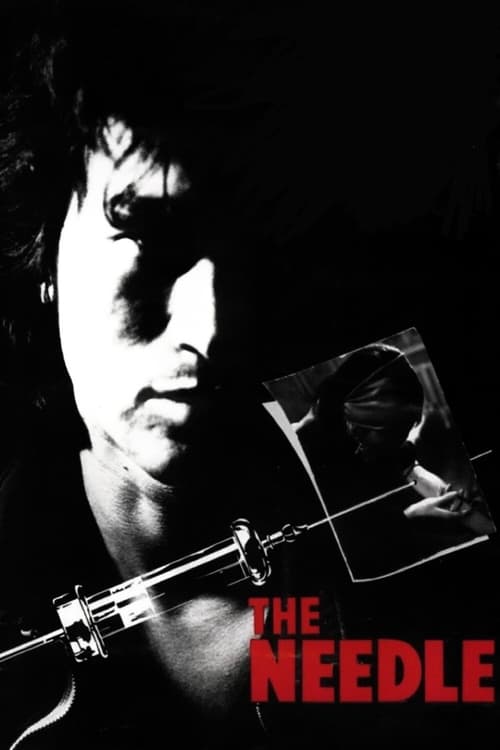
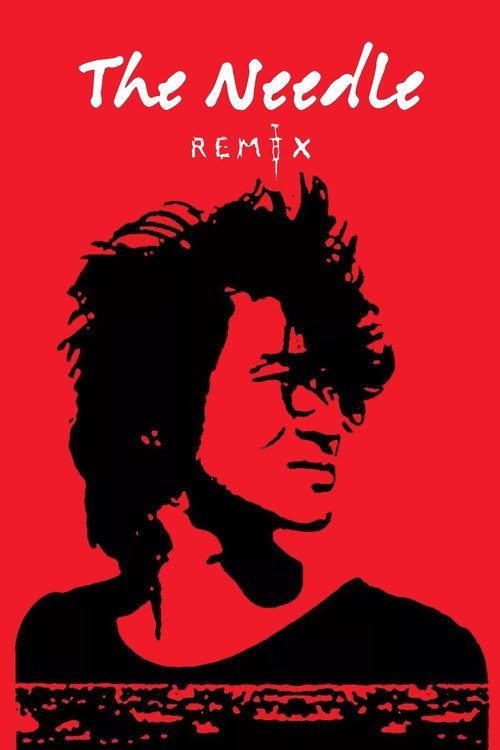
After a two-year absence Valentin returns home and finds his sister Alisa in a deranged state. It turns out that the girl has long been on the needle. Brother is trying to pull the sister of drug hell, but, unfortunately, Alice dies of an overdose. From that moment Valentin declares ruthless war on drug dealers.
1989
1996
2002
2005
1978
1989
1977
2010
No reviews yet. Be the first to share your thoughts on this movie!
Use the rating form above to leave a star rating and optional review.