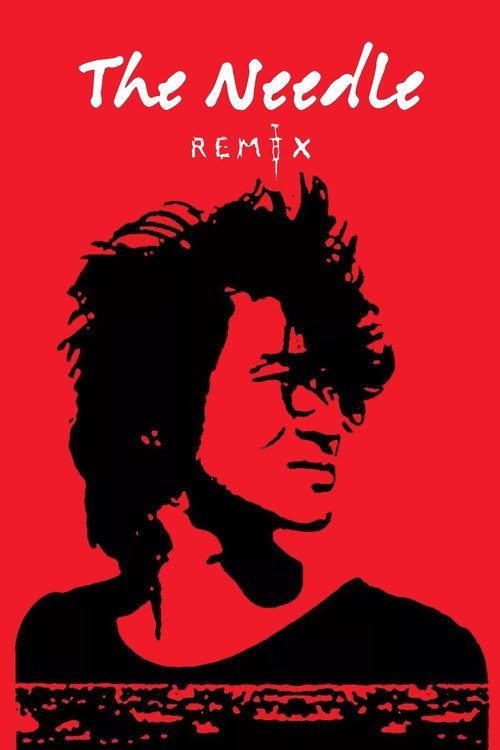
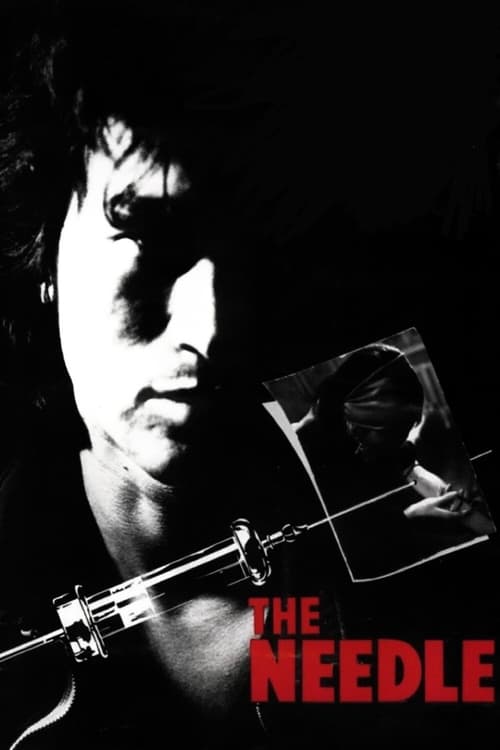
The Needle Remix
2010
No user ratings available yet
Representation score: 8.5 out of 10
Representation Score
Excellent
1989
Director
Rashid Nugmanov
Runtime
76 minutes
Average Rating
No ratings yetNew Showbiz Analysis
Rashid Nugmanov’s work disrupts traditional Soviet narrative conventions by adopting a postmodern, impressionistic style. This approach shifts away from the rigid structures of Socialist Realism to explore fragmented identities. The film successfully reclaims Kazakh regional identity during a period of significant social change. This cultural specificity offers a powerful counter-narrative to the centralized media of the late Soviet era. While the film effectively dismantles social norms, it remains somewhat atmospheric in its depiction of specific identities. Representation in LGBTQ+ and disability categories serves more as a driver of tension or aesthetic choice than an explicit character study.
Category Breakdown
The film uses a queer aesthetic to challenge traditional visual language focused on straight relationships. It creates an ambiguous atmosphere rather than following conventional romantic storylines, disrupting typical expectations of gendered courtship.
Relationships are shaped by existential uncertainty rather than domestic stability or male dominance. Female characters, particularly Dina, avoid submissive stereotypes and focus on the harsh realities of survival.
Set in Kazakhstan, the film features a predominantly Kazakh cast and crew. It emphasizes a distinct regional identity, moving away from the uniform depictions found in centralized state media.
The narrative reflects the confusion of the late 1980s by showing traditional institutions as crumbling. It uses urban alienation to criticize collapsing systemic frameworks and established power structures.
The film highlights the devastating effects of morphine addiction through Dina. The focus remains on the broader societal implications of substance abuse rather than a detailed exploration of physical disability.
Present on Screen
Limited or Absent
Official Synopsis
Moro returns to Alma-Ata to collect money owed to him. While waiting out an unexpected delay, he visits his former girlfriend Dina and discovers she has become a morphine addict. He decides to help her kick the habit and to fight the local drug mafia responsible for her condition.
No reviews yet. Be the first to share your thoughts on this movie!
Use the rating form above to leave a star rating and optional review.