
Gacy
2003
No user ratings available yet
Representation score: 1.4 out of 10
Representation Score
Minimal
2002
RDirector
Matthew Bright
Runtime
99 minutes
Average Rating
No ratings yetNew Showbiz Analysis
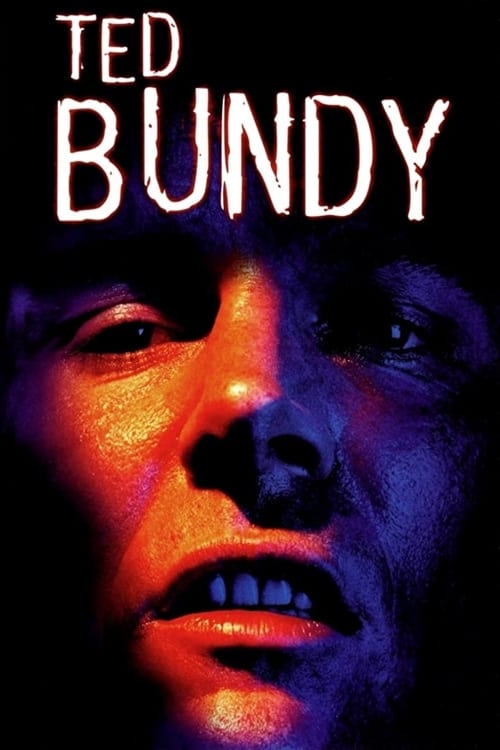
Ted Bundy (2002) presents a narrow, homogeneous view of 1970s society. By centering the narrative on a perpetrator who exploits conventional social and gendered norms, the film reinforces existing hierarchies rather than challenging them. The lack of diverse casting and adherence to standard moral frameworks results in a low representation score. The film functions as a traditional biographical study that prioritizes a singular, non-diverse perspective.
Category Breakdown
The film contains no LGBTQ+ characters or narratives and adheres strictly to the assumption that everyone is straight or cisgender, reflecting the social norms of the 1970s.
The story relies on traditional power dynamics and depicts female characters primarily as victims rather than active participants. Female characters are not given roles that challenge gender norms.
The setting and cast are overwhelmingly homogeneous, focusing on a white, middle-class framework. The narrative lacks perspectives that reflect multiple aspects of diversity.
The film follows a conventional moral framework typical of true-crime studies. It focuses on individual pathology without addressing broader systemic issues or cultural rebellion.
There is no significant depiction of physical or neurodivergent disabilities. The film focuses on criminal psychology rather than providing roles for characters with disabilities.
Present on Screen
Limited or Absent
Official Synopsis
Seattle, 1974. Ted Bundy gives into his violent passions and embarks on a cross country killing spree, leaving a trail of raped, tortured, murdered, dismembered, and defiled corpses in his wake…
2003

1971

2002
1968

2005

2003

1993

1995
No reviews yet. Be the first to share your thoughts on this movie!
Use the rating form above to leave a star rating and optional review.