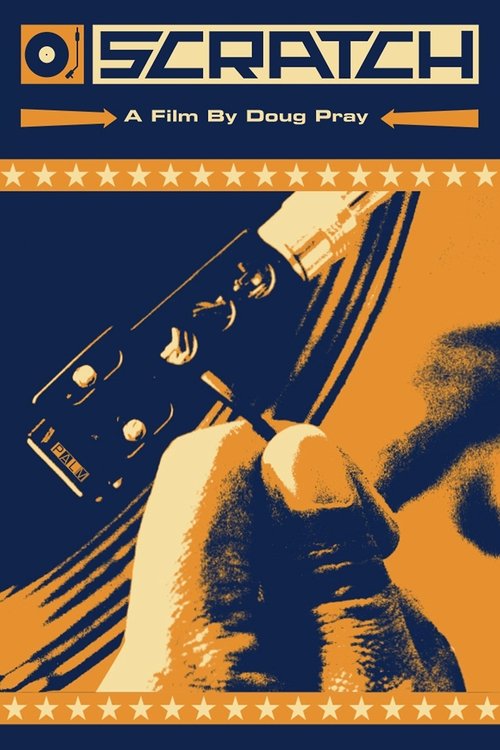
Scratch
2001
No user ratings available yet
Representation score: 3.5 out of 10

Representation Score
Fair
2021
Director
Robert Gastman
Runtime
71 minutes
Average Rating
No ratings yetNew Showbiz Analysis
The documentary presents a focused historical account of freight train graffiti, prioritizing artistic history over demographic breadth. On-screen evidence includes interviews with artists and archival footage of New York City subway trains, but the participants are predominantly male. The narrative treats the subculture as a unified movement, leaving specific racial, ethnic, and gender breakdowns unaddressed. While the film highlights the tension between creative expression and institutional control, it does not explore how these dynamics intersect with identity. The absence of LGBTQ+ and disability perspectives is consistent with the source material's focus on general subcultural history rather than individual identity markers. The overall score reflects this narrow demographic scope, where the primary lens is artistic practice rather than social diversity.
Category Breakdown
No LGBTQ+ characters, relationships, or identities appear in the synopsis or credits. The narrative focuses exclusively on the history of graffiti and freight train culture without addressing sexual orientation or gender identity.
The cast and interviewees appear predominantly male, reflecting the male-dominated nature of the freight-hopping subculture. Female participants are not highlighted in the provided context, and gender dynamics are not a focal point of the documentary’s inquiry.
The film centers on New York City’s street art scene, a space historically populated by Black and Latino artists. The specific racial composition of the featured interviewees is not detailed, and the narrative treats the culture as a unified underground movement without explicit emphasis on racial demographics.
The documentary frames graffiti as a legitimate artistic expression born from marginalized communities, contrasting it with institutional zero tolerance policies. It portrays the act of painting trains as a form of freedom and communication that resists corporate and governmental control over public space.
No characters with disabilities are identified in the credits, synopsis, or dialogue. The physical risks of the subculture are discussed in terms of general danger and legality, not through the lens of disability or accessibility.
Present on Screen
Limited or Absent
Official Synopsis
This documentary plunges into the secret underground world and history of freight train and graffiti culture, uncovering stories of myth-like artists, remarkable romances, competitive graffiti crews, and battles with the institution.
2001
1981

2013
2021

2019

2006
2022
2007
No reviews yet. Be the first to share your thoughts on this movie!
Use the rating form above to leave a star rating and optional review.