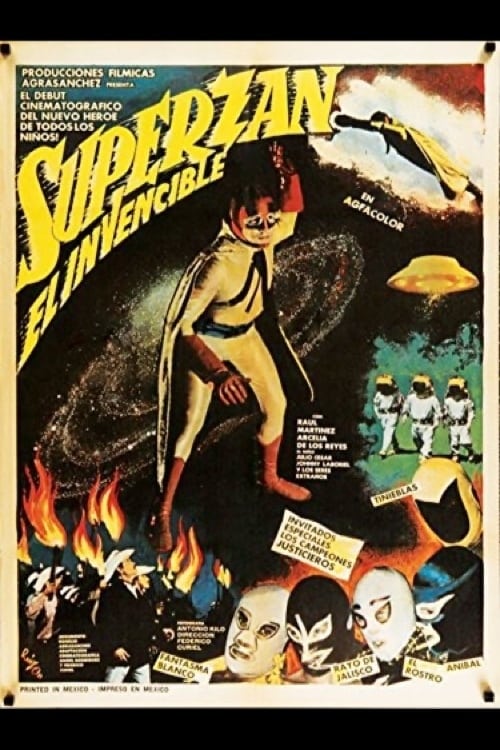
Superzan el Invencible
1971
No user ratings available yet
Representation score: 4.1 out of 10
Representation Score
Limited
1968
GDirector
Paolo Bianchini
Runtime
80 minutes
Average Rating
No ratings yetNew Showbiz Analysis
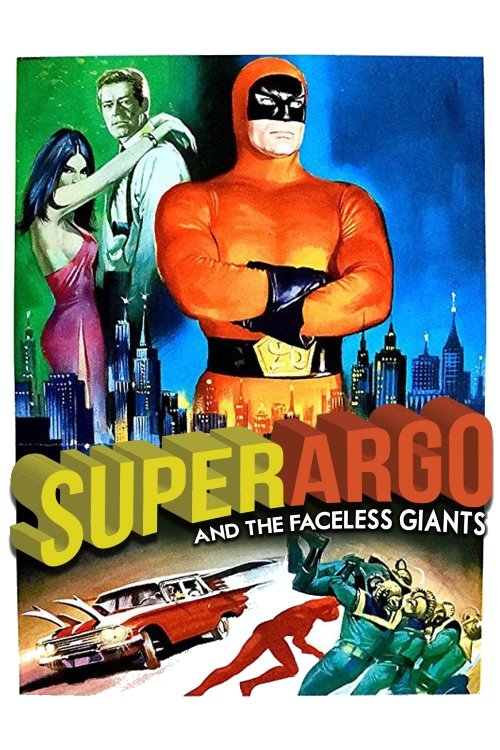
Superargo and the Faceless Giants is a quintessential 1960s genre piece that prioritizes kinetic action and archetypal struggle over social complexity. The narrative follows a rigid hero’s journey, centered on a masked wrestler fighting a madman and his robotic army. Due to its reliance on binary conflicts and traditional clichés, the film fails to provide meaningful representation for underrepresented groups. It adheres to established cinematic hierarchies without challenging them. Ultimately, the film lacks the intentionality needed to disrupt social expectations, focusing instead on physical prowess and spectacle.
Category Breakdown
The film adheres to traditional conventions typical of 1960s adventure cinema, lacking any representation of non-binary or transgender identities. It does not challenge traditional gender norms.
The story focuses almost entirely on male characters, emphasizing the strength and intellect of the male protagonist and antagonist. Female characters play minor roles, reinforcing traditional gender hierarchies.
The film features a predominantly white cast, reflecting the era's homogeneous casting practices. There is no evidence of a diverse or racially inclusive cast.
The storyline uses a classic good-versus-evil moral framework, prioritizing traditional adventure themes over moral relativism or critiques of Western institutions.
Characters with disabilities have limited influence in the narrative, often serving as shorthand for villainy rather than being portrayed in a nuanced manner.
Present on Screen
Limited or Absent
Official Synopsis
A masked wrestler/superhero goes up against a madman and his army of robots.
1971
1979
1967

1979
1968

1967

1963

1961
No reviews yet. Be the first to share your thoughts on this movie!
Use the rating form above to leave a star rating and optional review.