
The Shape of Things to Come
1979
No user ratings available yet
Representation score: 3.2 out of 10
Representation Score
Fair
1979
PGDirector
Daniel Haller
Runtime
89 minutes
Average Rating
No ratings yetNew Showbiz Analysis
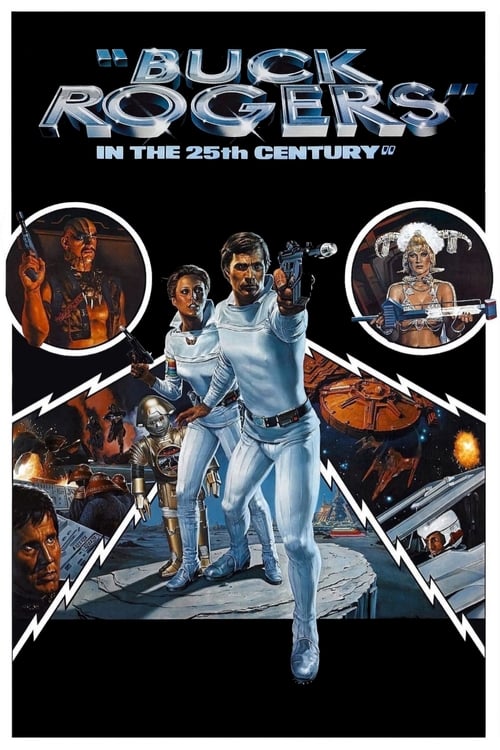
Buck Rogers in the 25th Century is a standard adventure film that adheres to traditional genre conventions. It maintains established institutional hierarchies and social norms. While featuring a diverse cast, the film lacks the intention to disrupt systemic power dynamics. Character development is tied to mid-century clichés rather than nuanced, multi-layered storytelling. The film prioritizes traditional values and idealized physical archetypes over progressive narratives.
Category Breakdown
The film follows traditional structures that assume everyone is straight or cisgender. There are no visible LGBTQ+ identities or same-sex relationships.
Princess Ardiana holds authority, but the story centers on the male protagonist's traditional adventure journey. The narrative does not significantly challenge male dominance.
The film features a diverse cast typical of mid-century science fiction. However, these characters follow standard era clichés without much individual development or identity blending.
The story emphasizes traditional military and command structures. It upholds values of patriotism and loyalty without offering any social or anti-Western critiques.
Characters are shown as physically capable for space combat. There is no exploration of neurodivergence, physical disabilities, or mental health issues.
Present on Screen
Limited or Absent
Official Synopsis
Capt. William "Buck" Rogers is a jovial space cowboy who is accidentally time-warped from 1987 to 2491. Earth is engaged in interplanetary war following a global holocaust, and Buck's piloting skills make him an ideal starfighter recruit for the Earth Defense Directorate.
1979

1982

1979
1981

1982

1984

1965
1978
No reviews yet. Be the first to share your thoughts on this movie!
Use the rating form above to leave a star rating and optional review.