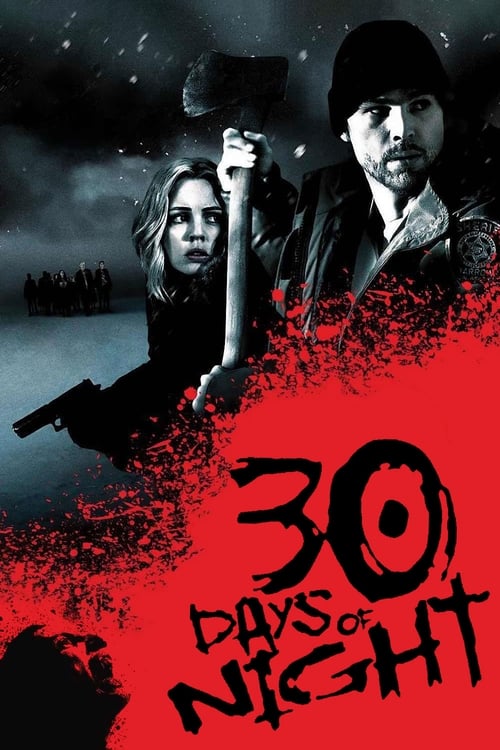
30 Days of Night
2007
No user ratings available yet
Representation score: 1.5 out of 10
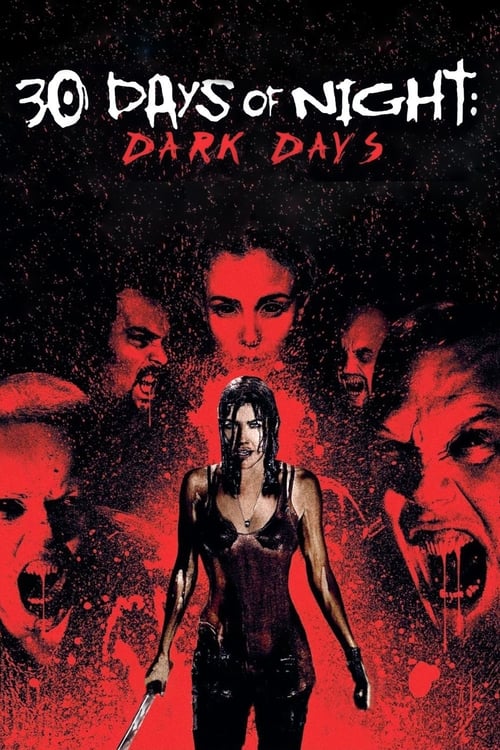
Representation Score
Limited
2010
RDirector
Ben Ketai
Runtime
92 minutes
Average Rating
No ratings yetNew Showbiz Analysis
The film prioritizes visceral horror and individual character arcs over diverse representation. While it successfully elevates its female lead to an active combatant, the narrative remains largely conventional. Diversity is limited by a reliance on traditional demographic norms, and the story sticks to established genre archetypes. Ultimately, the film reinforces existing social structures without critiquing them.
Category Breakdown
The film focuses on the protagonist's grief over her husband and does not include any explicit LGBTQ+ character arcs or non-straight identities as central to the plot.
Stella Olemaun actively drives the plot, challenging traditional damsel in distress clichés within the horror genre.
The cast remains predominantly white, and the narrative does not challenge genre conventions through diverse casting or race-bending.
The story centers on personal vengeance within a standard Western horror framework, avoiding critiques of Western institutions or organized religion.
Characters are defined by their physical capability for combat, and there is no significant emphasis on visible or invisible disabilities or neurodivergent characters.
Present on Screen
Limited or Absent
Official Synopsis
After surviving the incidents in Barrow, Alaska, Stella Olemaun relocates to Los Angeles, where she intentionally attracts the attention of the local vampire population in order to avenge the death of her husband, Eben.
2007
1970

2021

1978
2008
2003
2013
1995
No reviews yet. Be the first to share your thoughts on this movie!
Use the rating form above to leave a star rating and optional review.