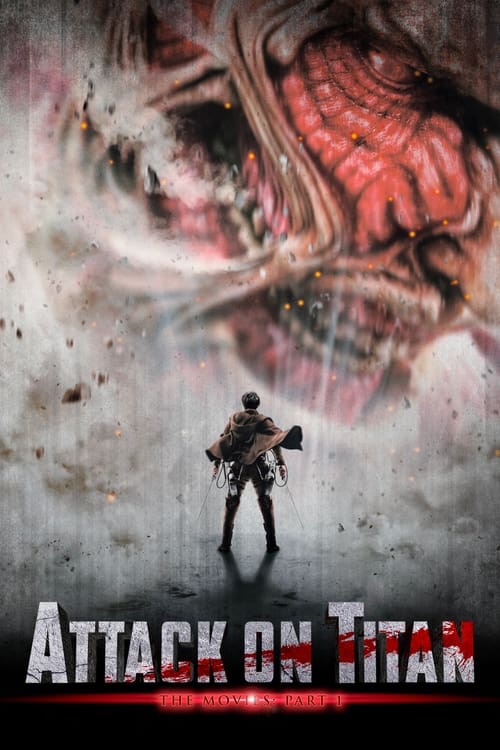
Attack on Titan
2015
No user ratings available yet
Representation score: 5.3 out of 10
Representation Score
Limited
2013
Director
Masashi Koizuka, Tetsuro Araki, Yuichiro Hayashi
Runtime
24 minutes
Average Rating
No ratings yetNew Showbiz Analysis
The narrative centers on a post-apocalyptic survival scenario where female competence drives the action. Mikasa functions as the primary combatant, often saving male characters who serve as victims or secondary support. This dynamic shifts the traditional gender roles expected in action media. The social structure is rigid, with the military hierarchy serving as the primary source of conflict. The elite police are depicted as elitist and ineffective, while the lower-ranking Scouts are portrayed as the true heroes. This critique of institutional power provides a clear moral framework for the characters' actions. The cast is homogeneous, reflecting the specific cultural context of the source material. There is no exploration of race, religion, or disability as thematic elements. The focus remains entirely on the existential threat posed by the Titans and the internal dynamics of the Scout Regiment.
Category Breakdown
No same-sex romance or non-heteronormative identities appear. All bonds are framed through heterosexual or platonic military camaraderie. The narrative contains no coming-out arcs or queer-coded subtext.
Mikasa is the most physically competent character, consistently outperforming male peers in combat. Her strength is treated as a factual asset, not a deviation. Male characters frequently die, while women serve as tactical anchors.
The cast is exclusively Japanese, reflecting the source material’s setting. No non-white characters hold depth, narrative power, or distinct cultural identities. The conflict is framed as humanity versus monsters, with no racial allegory.
The military hierarchy is critiqued, with elite police shown as corrupt and lower-ranking Scouts as heroes. Family bonds are destroyed by the external threat, shifting loyalty to the regiment. Faith is absent; morality is secular and survivalist.
Injuries are common but treated with medical pragmatism, such as bandaging or amputation. No character is put on a pedestal for their impairment, nor is disability used as mockery. The focus remains on functional capability despite physical loss.
Present on Screen
Limited or Absent
Official Synopsis
100 years ago, the last remnants of humanity were forced to retreat behind the towering walls of a fortified city to escape the massive, man-eating Titans that roamed the land outside their fortress. Only the members of the Scouting Legion dared to stray beyond the safety of the walls but even those brave warriors seldom returned alive. Those within the city clung to the illusion of a peaceful existence until the day that drem was shattered, and theur slim chance at survival was reduced to one horrifying choice: kill or be devoured! 90 episodes | 1,860 minutes | 4 seasons
2015
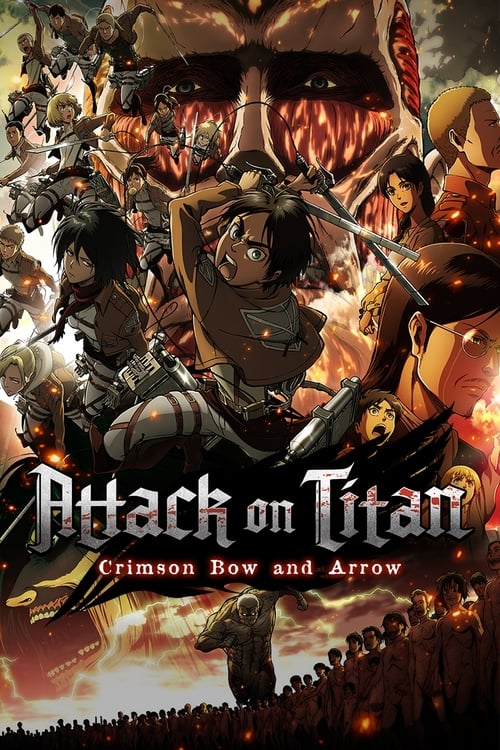
2014
2019

2015
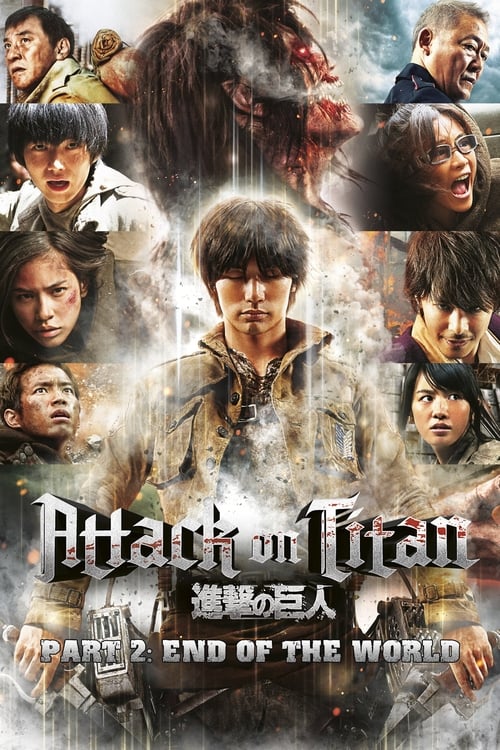
2015

2020
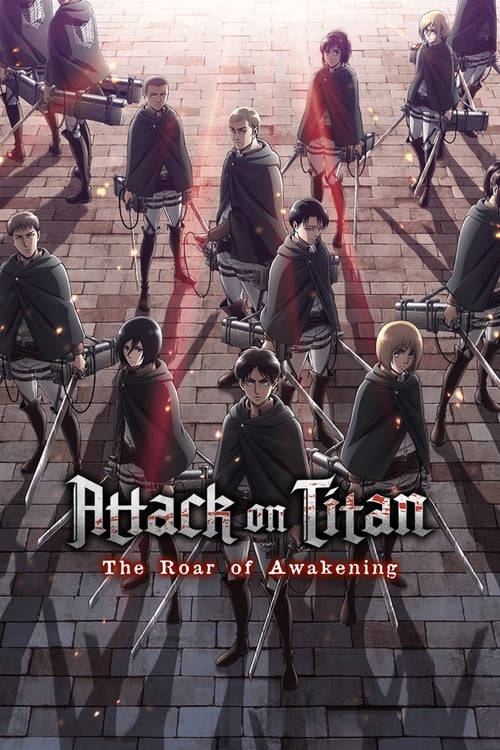
2018
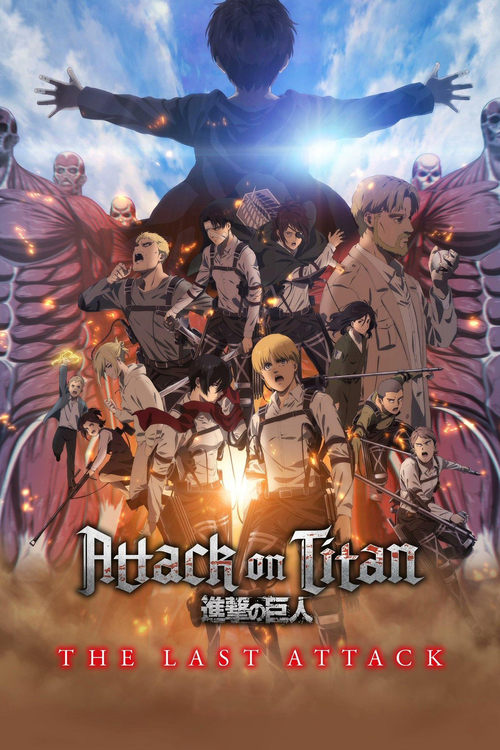
2024
No reviews yet. Be the first to share your thoughts on this movie!
Use the rating form above to leave a star rating and optional review.