Urgent
2018
No user ratings available yet
Representation score: 6.4 out of 10
Representation Score
Fair
2020
Director
Mehdi M. Barsaoui
Runtime
96 minutes
Average Rating
No ratings yetNew Showbiz Analysis
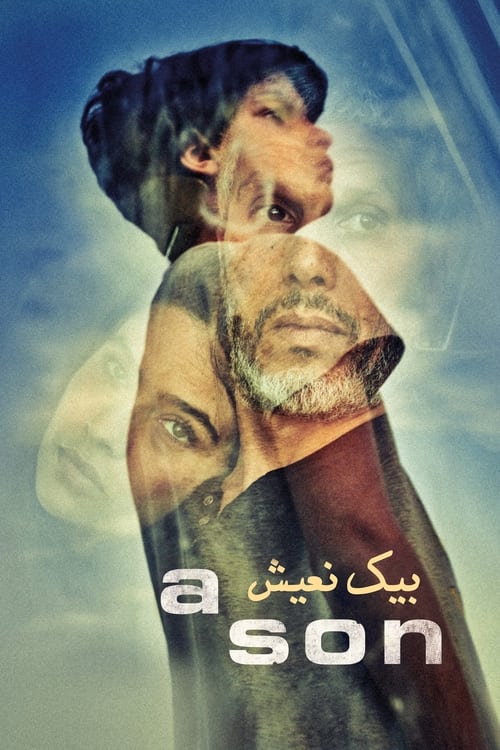
A Son is a sophisticated drama that succeeds by providing a deeply authentic Tunisian perspective. It avoids the common pitfall of the Western viewpoint, instead presenting a localized reality that challenges the homogeneity of global cinema. The film's strength lies in its critique of institutional reliability and the deconstruction of the idealized family unit. By exploring the friction between individual morality and systemic rigidity, it moves beyond simple melodrama into complex social commentary. However, the film remains limited by its traditional gender dynamics and a lack of representation for LGBTQ+ or neurodivergent identities. It operates primarily within a conventional patriarchal structure, even as it explores the fragility of masculine authority.
Category Breakdown
The film does not feature any LGBTQ+ characters or non-straight identities. The story centers around the nuclear family and the legal issues surrounding a medical crisis.
The narrative follows a patriarchal structure, emphasizing male authority and vulnerability. Female characters play crucial supportive roles but remain confined to traditional family dynamics.
The film offers a genuine North African perspective by focusing on a Tunisian cast and setting. It avoids the Western viewpoint, showcasing characters navigating their own socio-political environment.
The story questions established power structures by depicting judicial and state systems as sources of tension. It delves into the complexities of morality and the fragility of the traditional household.
A medical crisis involving a liver transplant drives the plot, placing Aziz in a physically vulnerable position. The film highlights the systemic consequences rather than relying on sentimentality.
Present on Screen
Limited or Absent
Official Synopsis
Tunisia, summer 2011. The holiday to the South of the country ends in disaster for Fares, Meriem and their 10-year-old son Aziz, when he is accidentally shot in an ambush. His injury will change their lives: Aziz needs a liver transplant, which leads to discovery of a long-buried secret. Will Aziz and the relationship survive?
2018
2019
2019
2000
2012

2019
2018
2021
No reviews yet. Be the first to share your thoughts on this movie!
Use the rating form above to leave a star rating and optional review.