
A Circle
1972
No user ratings available yet
Representation score: 3.3 out of 10
Representation Score
Fair
1968
Director
Leonid Agranovich
Runtime
87 minutes
Average Rating
No ratings yetNew Showbiz Analysis
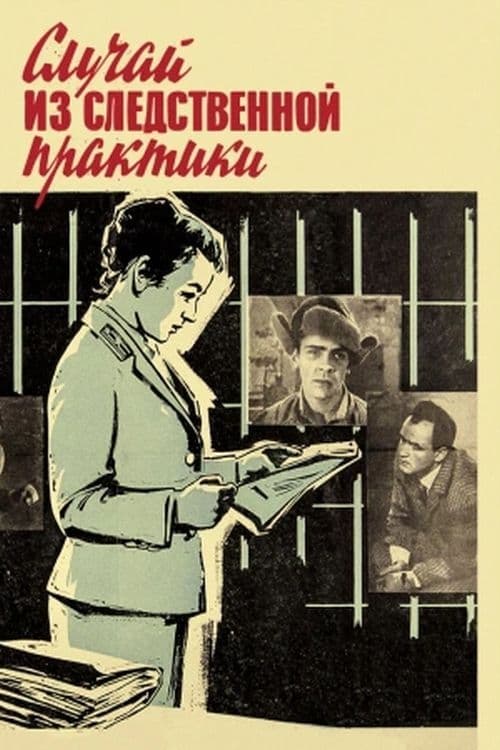
A Case from Investigative Practice offers a moderate level of progressive value by centering a female professional in a position of high ability to act. Sukhareva’s role as an investigator provides a rare glimpse into female intellectual competence within the era's cinematic constraints. However, the film lacks multi-layered diversity. It does not feature explicit LGBTQ+ identities or a multi-ethnic cast, remaining rooted in the homogeneous social structures typical of the period. Ultimately, the film's strength lies in its narrative complexity. By questioning the fallibility of the justice system and the nature of guilt, it challenges rigid moral absolutes through a sophisticated exploration of human change.
Category Breakdown
The film does not include any explicit LGBTQ+ characters or narratives. It follows a traditional crime and redemption storyline typical of 1968 Soviet cinema.
Investigator Sukhareva is a central figure with professional authority. She drives the plot, disrupting traditional gender roles and highlighting female intellect.
The film centers around a homogeneous social group with no indication of a multi-ethnic cast. It focuses on internal social dynamics within a specific cultural context.
The story delves into nuanced themes of subjective morality and personal repentance. It questions binary views of justice by examining the tension between legalism and human redemption.
There is no information available regarding the portrayal of physical or neurodivergent disabilities in this work.
Present on Screen
Limited or Absent
Official Synopsis
Makartsev, who is serving a sentence for theft, suddenly confesses to a murder he once committed. The case is entrusted to investigator Sukhareva, who in the course of the investigation becomes convinced that many of the possible participants in the murder have put an end to their criminal past. However, some of them deny their involvement in the murder, which, as it turns out, and was not. The victim of the crime, whom everyone thought was murdered, is alive. The court must find out the degree of guilt of people who have long repented for the crime they committed.
1972

1948

1961

1956
1963

1952

1964

1930
No reviews yet. Be the first to share your thoughts on this movie!
Use the rating form above to leave a star rating and optional review.