
The Red Snowball Tree
1974
No user ratings available yet
Representation score: 3.1 out of 10
Representation Score
Fair
1963
Director
Ivan Pravov
Runtime
79 minutes
Average Rating
No ratings yetNew Showbiz Analysis
The film functions as a social drama centered on moral realignment and the tension between individual deviance and social responsibility. It prioritizes themes of reform and communal ethics over diverse identity representation. While the narrative lacks multi-layered depth regarding gender and sexual identity, it offers a nuanced look at disability. The portrayal of a terminally ill character avoids common clichés by granting him a significant role in driving the story. The setting suggests potential for ethnic diversity, yet the plot remains anchored in local social dynamics. Ultimately, the film is a study of social cohesion and the reformative power of community.
Category Breakdown
The film does not explicitly mention LGBTQ+ characters or non-straight relationships. It focuses on male criminal redemption and traditional family structures.
The story centers on male-dominated spheres such as the criminal underworld and academic circles. Female characters serve as stabilizing figures within a traditional domestic framework.
While the International Festival setting implies a multi-ethnic backdrop, the core character arcs focus on local social dynamics. There is no evidence of non-white characters with significant roles.
The film explores systemic morality and communal ethics over individualistic pursuits. It critiques the criminal archetype by framing deviance as a source of mental confusion.
Professor Muromtsev provides a meaningful depiction of terminal illness. He maintains intellectual and moral decision-making, serving as a catalyst for the protagonist's transformation rather than a figure of pity.
Present on Screen
Limited or Absent
Official Synopsis
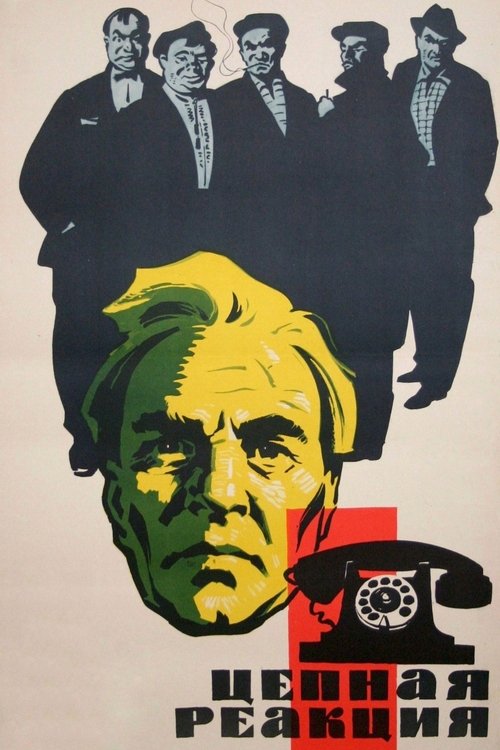
An old pickpocket named "Cardinal", during the days of the International Festival of Youth and Students, decides to gather old “personnels” to prepare small and large thefts from the festival participants. During the "conference" it turns out that a complete "personnel crisis" has come. The ensuing meeting with the former bootlegger — Senka-Moroz, who broke with his past and found happiness in his family and honest work, leads the Cardinal to confusion and mental confusion. A conversation with Professor Muromtsev, a terminally ill person who nevertheless cares about the fate of others, shock the "Cardinal" and he takes the first but decisive step towards a new life, breaking with the criminal world.
1974
1959
1977
1997

1964
1972
1968
1986
No reviews yet. Be the first to share your thoughts on this movie!
Use the rating form above to leave a star rating and optional review.