
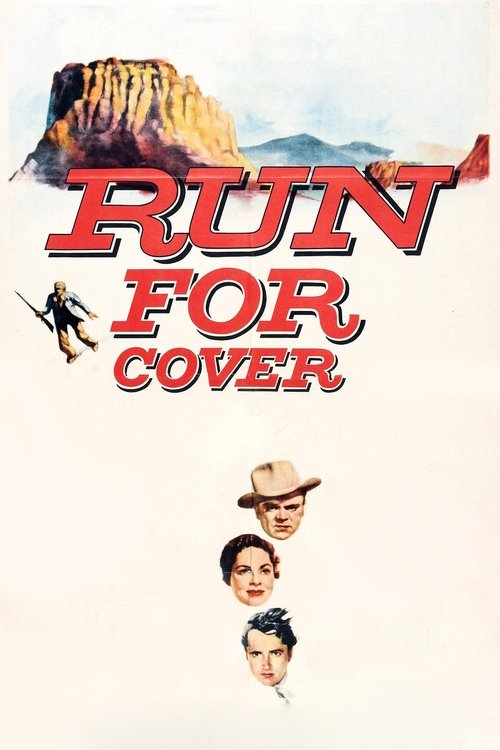
Count Three and Pray
1955
No user ratings available yet
Representation score: 0.5 out of 10
Representation Score
Minimal
1955
NRDirector
Nicholas Ray
Runtime
93 minutes
Average Rating
No ratings yetNew Showbiz Analysis
Run for Cover is a conventional mid-century genre piece that relies heavily on established Western and crime-drama clichés. The story centers around male characters navigating social and legal issues. While director Nicholas Ray is known for exploring themes of alienation, this specific work adheres to the traditional storytelling norms of 1955 Hollywood. The film prioritizes established social structures over any deconstruction of systemic power dynamics, resulting in a narrow demographic focus.
Category Breakdown
The film follows the traditional heterosexual norms of mid-century American cinema. There are no representations of non-binary gender identities or same-sex relationships.
The story emphasizes traditional masculine dynamics typical of Western films. Women are not shown in positions of intellectual or structural authority.
The film lacks significant representation of non-white or non-Anglo-Saxon individuals. The casting focuses on a homogeneous demographic.
The story operates within traditional mid-century Western frameworks. It does not challenge the social or religious institutions of the time.
There are no characters with visible or invisible disabilities in the film. Disability is not used as a narrative device.
Present on Screen
Limited or Absent
Official Synopsis
An ex-convict drifter and his flawed young partner are made sheriff and deputy of a Western town.
1955
1957
1943
1958
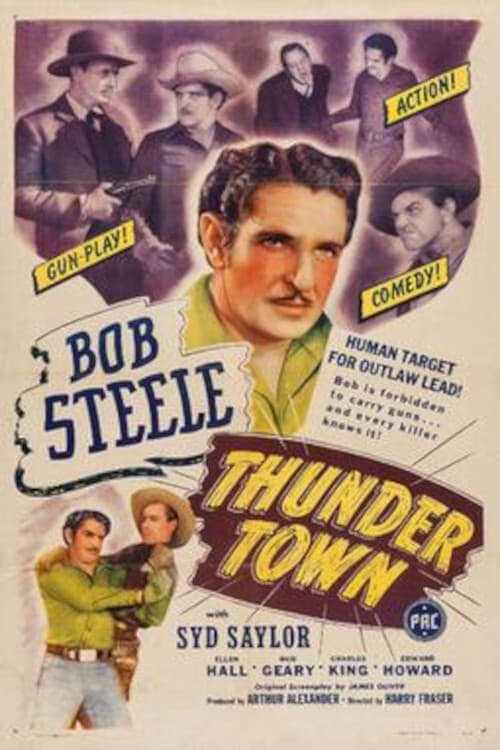
1946
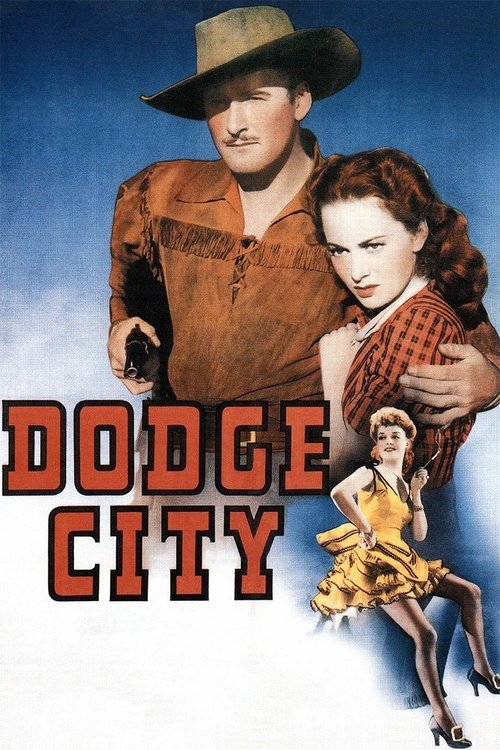
1939
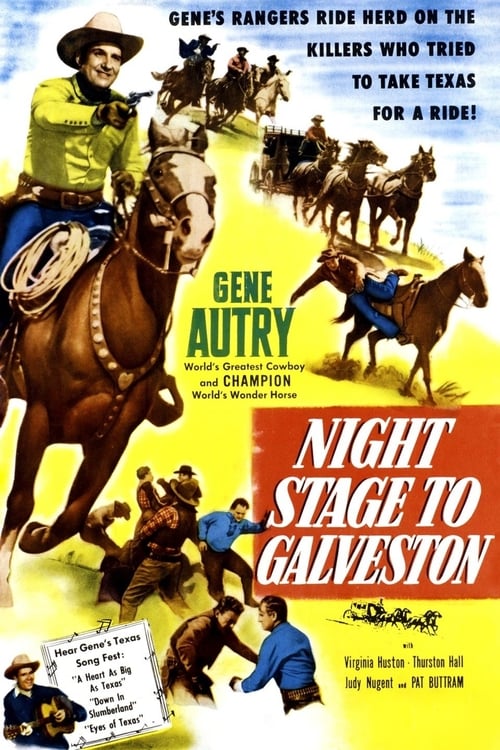
1952
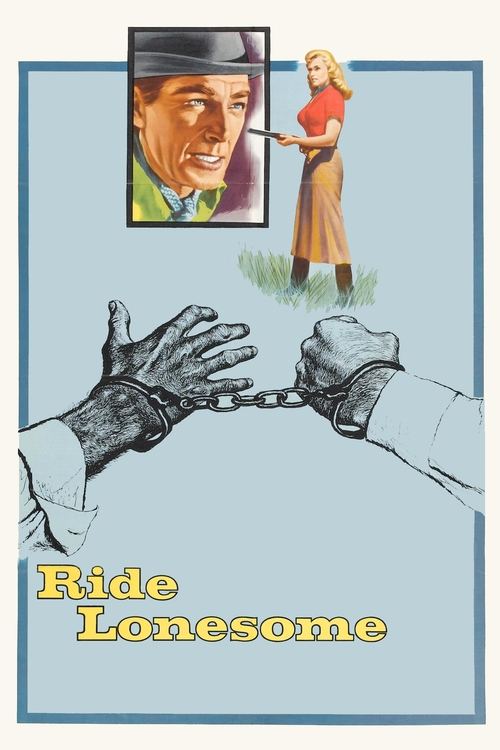
1959
No reviews yet. Be the first to share your thoughts on this movie!
Use the rating form above to leave a star rating and optional review.