
Lost and Found
2019
No user ratings available yet
Diversity score: 3.6 out of 10
2008
Director
Zhang Meng
Runtime
96 minutes
Average Rating
No ratings yetSynopsis
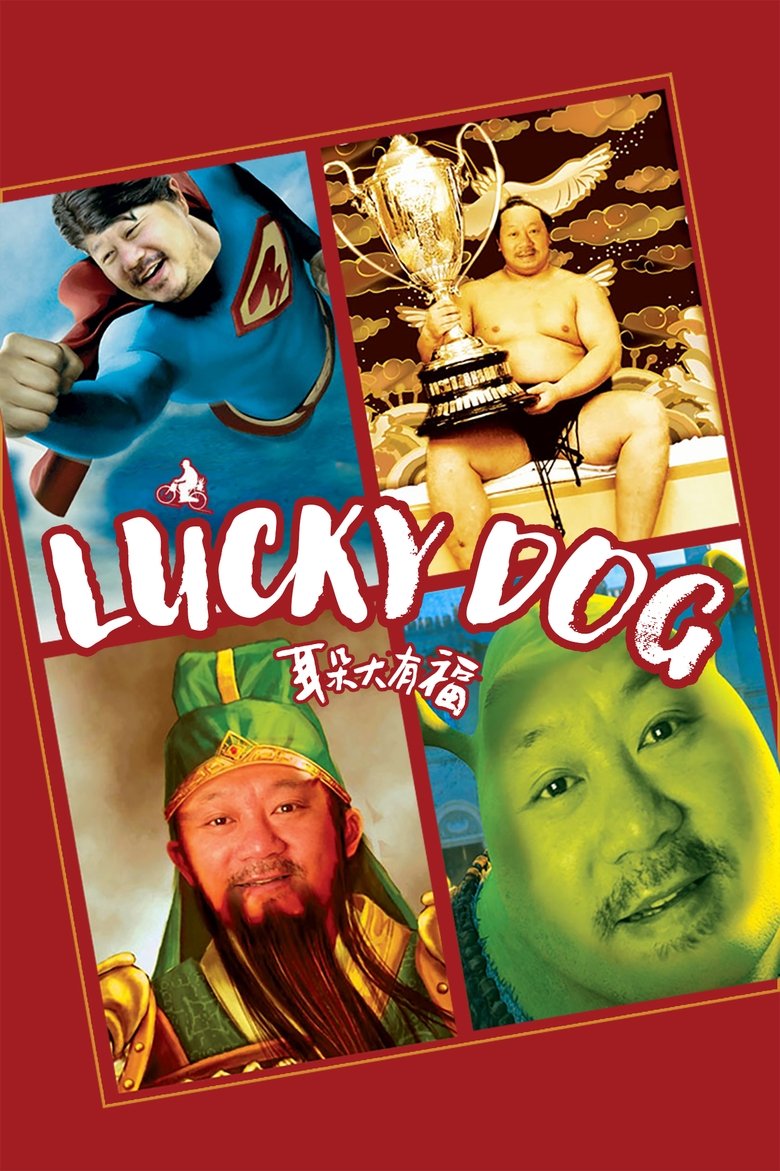
A middle-aged man sets out to find a new career when he learns he's picked the wrong time to retire in this gentle comedy-drama from China. Wang Kangmei (Fan Wei) is a good-humored working stuff who after four decades as an engineer for the Chinese railway has taken early retirement. Wang's timing was less than ideal, as his wife (Cheng Shubo) falls ill and ends up in the hospital shortly after Wang's leaves his job. But Wang is a cheerful and quietly patriotic man who believes that the government will do the right thing for him and that he'll be able to find work if he tries. Wang's father (Cheng Shubo) isn't so confident, but that doesn't stop Wang from spending the day pursuing various sorts of employment, from operating a bicycle-cab to auditioning for an opera company.
Overall Score
Limited
Category Breakdown
LGBTQ+ Representation
The film operates within a conventional heteronormative framework. There are no LGBTQ+ characters or non-cisnormative identities present in the narrative.
Gender Representation
The story reinforces traditional domestic hierarchies. While the male protagonist drives the plot through his career search, the female lead is defined primarily by her illness and relationship to her husband.
Racial & Ethnic Diversity
The production is ethnically homogeneous, focusing on the Chinese working class. It offers deep cultural specificity rather than multicultural or intersectional casting.
Religious & Cultural Diversity
The narrative emphasizes traditional values like patriotism and filial piety. It promotes social cohesion and respect for established order rather than deconstructing state or family structures.
Disability Representation
The wife's illness serves largely as a narrative device to create emotional stakes. It lacks a nuanced exploration of the patient's agency or lived experience.
Strengths
Areas for Improvement
AI Analysis
Lucky Dog is a traditional social comedy that prioritizes communal stability and conventional family roles. It functions as a culturally specific portrait of the Chinese working class, emphasizing institutional trust and social cohesion. The film does not attempt to disrupt established social hierarchies or engage with identity-based political frameworks. Instead, it focuses on humanistic storytelling within a traditional societal structure. Consequently, the representation is limited by its adherence to conventional gender roles and a lack of diverse identity-based perspectives.
2019

2022

2015

2011

2010

2013

2008
1960
2021

2011

1999
1977
No reviews yet. Be the first to share your thoughts on this movie!
Use the rating form above to leave a star rating and optional review.