Edge of Power
1989
No user ratings available yet
Representation score: 2.0 out of 10
Representation Score
Limited
1990
RDirector
Frank Pierson
Runtime
104 minutes
Average Rating
No ratings yetNew Showbiz Analysis
The film functions as a psychological character study centered on moral ambiguity and the ethics of observation. It uses a high-stakes criminal investigation to explore the subjective nature of truth and the complexities of the judicial system. While the narrative offers potential for social critique regarding the death penalty, it lacks documented evidence of diverse representation. The focus remains on individual roles and the professional lives of its central male figures.
Category Breakdown
The film does not include any LGBTQ+ characters or queer narratives. The story focuses entirely on the legal and journalistic investigation of a criminal case.
The narrative centers on male protagonists, including the condemned man and the photographer. While a female reporter is mentioned, her level of involvement remains unclear.
Set in a small Georgia town, the film suggests a complex racial landscape. However, there is no specific information about the ethnicity of the cast or characters.
The story explores moral relativism by questioning the ethics of journalism and capital punishment. It deconstructs community morality through the lens of a small-town investigation.
There is no information available regarding the portrayal of physical or neurodivergent disabilities within the film.
Present on Screen
Limited or Absent
Official Synopsis
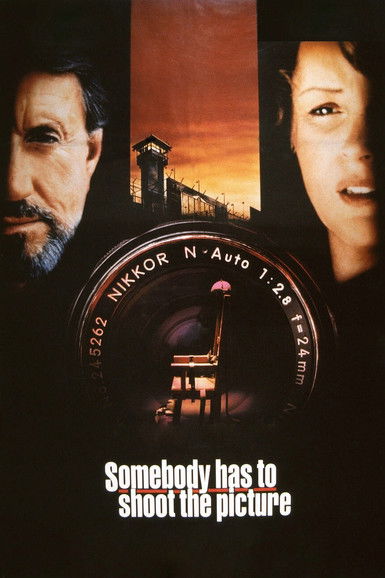
Raymond Eames, a small-time drug dealer, has been sentenced to death for the shooting death of a policeman. After seven years of appeals are exhausted, the date of his execution arrives. His last request is that his execution be photographed. Eames selects Paul Marish, a jaded Pulitzer Prize winning photographer, who is convinced by his agent to visit the small town in Georgia. Sensing a big story, Marish's agent sends in a reporter from Time magazine, and together they begin to investigate the events surrounding the murder, in a small town where emotions are high and opinions are fixed.
1989
1989
1982
1948

1985
1988
1997
1987
No reviews yet. Be the first to share your thoughts on this movie!
Use the rating form above to leave a star rating and optional review.