Jabberwocky
1971
No user ratings available yet
Representation score: 6.9 out of 10
Representation Score
Fair
1981
Director
Ideya Garanina
Runtime
20 minutes
Average Rating
No ratings yetNew Showbiz Analysis
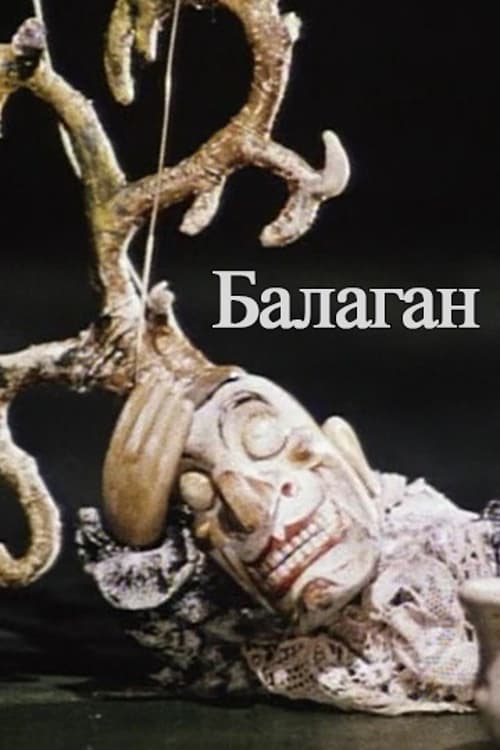
Cabaret (1981) is a lyrical stop-motion adaptation of Federico García Lorca’s theatrical works. It uses puppetry to translate poetic sensibilities into a visual tragedy, shifting from bizarre comedy to heartbreaking lyricism. The film's strength lies in its departure from linear storytelling, using a poetic, non-linear structure to explore social isolation and the tension between individual desire and societal constraints. However, the lack of explicit detail about the racial and ethnic diversity of the characters and the absence of characters with disabilities limit a comprehensive assessment of its inclusivity. The narrative primarily focuses on the emotional and symbolic depth inherited from Lorca.
Category Breakdown
The film adapts Lorca’s plays, which explore non-normative desires and underrepresented identities. Although the specific visual depiction is uncertain, the work likely includes the queer subtext found in the original source material.
Incorporating 'Doña Rosita the Spinster' allows the film to explore female independence and womanhood outside traditional marriage. The transition from comedy to tragedy indicates a sophisticated handling of female character development.
The provided information does not offer specific evidence regarding the racial or ethnic composition of the puppet cast. The focus remains on poetic expression rather than explicit racial discourse.
The adaptation focuses on systemic tragedy and the individual's struggle against fate. It emphasizes symbolic truth and subjective morality over traditional storytelling methods.
There is no specific evidence within the context to suggest the inclusion of characters with visible or invisible disabilities.
Present on Screen
Limited or Absent
Official Synopsis
Loosely inspired in some plays from the Spanish author Federico Garcia Lorca("The Puppet Play of Don Cristóbal", "The Billy-Club Puppets" and "Doña Rosita the Spinster"), this short does an incredibly job capturing all the poetry from those literary works, adding a new level of beauty to them by the art of puppetry and stop-motion animation. "Cabaret" starts as a bizarre comedy filled with many extravagances, then, it quickly evolves into a heart-breaking (But at the same time, captivating) tragedy, filled with a breathtaking lyricism that leads into a memorable ending, having some of the most beautiful lines that have been ever spoken in any animated film.
1971
1926
1959
1988
1979
1988
1969
2015
No reviews yet. Be the first to share your thoughts on this movie!
Use the rating form above to leave a star rating and optional review.