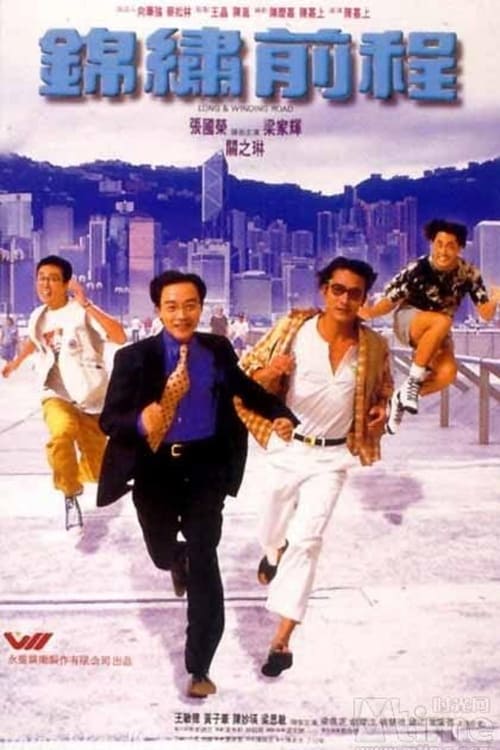
Long and Winding Road
1994
No user ratings available yet
Representation score: 4.8 out of 10
Representation Score
Good
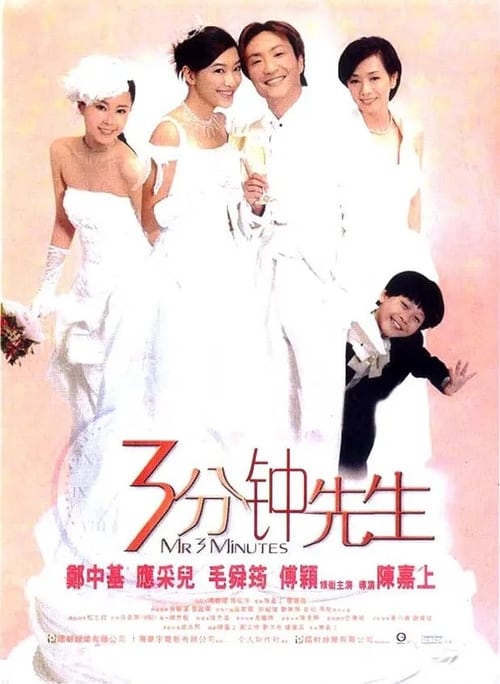
2006
Director
Gordon Chan
Average Rating
No ratings yetNew Showbiz Analysis
Mr. 3 Minutes succeeds as a localized perspective on resistance, disrupting the Western-centric gaze by centering the Chinese experience during the Japanese occupation. This provides a strong sense of ethnic and racial ability to act within a historical framework. However, the film adheres to traditional social hierarchies. Gender roles remain largely functional and subservient to the broader patriotic plot, while LGBTQ+ identities are entirely absent from the narrative landscape. The focus on physical survival during wartime also results in a lack of representation for characters with disabilities, favoring able-bodied protagonists to meet the demands of the conflict.
Category Breakdown
The film does not include any identifiable LGBTQ+ characters or narratives. The storyline focuses on wartime survival and resistance, leaving no room for queer themes or identity-focused arcs.
Female characters play important roles in the resistance efforts but mostly serve functional purposes within the plot. The narrative emphasizes traditional portrayals of resilience in a male-dominated conflict setting.
The film offers a strong depiction of Chinese identity in 1940s Hong Kong. It centers the experience of a colonized population reclaiming ability to act against an imperial power.
The story operates through a framework of anti-imperialism and nationalist sentiment. It depicts the subversion of occupying authority as a necessary act of community survival.
There is no significant portrayal of characters with disabilities having real ability to act. The narrative prioritizes the physical and psychological demands of able-bodied wartime survival.
Present on Screen
Limited or Absent
1994

1999
2023

2017
2003

2002

2020

1996
No reviews yet. Be the first to share your thoughts on this movie!
Use the rating form above to leave a star rating and optional review.