Pink Skies Ahead
2020
No user ratings available yet
Representation score: 5.8 out of 10
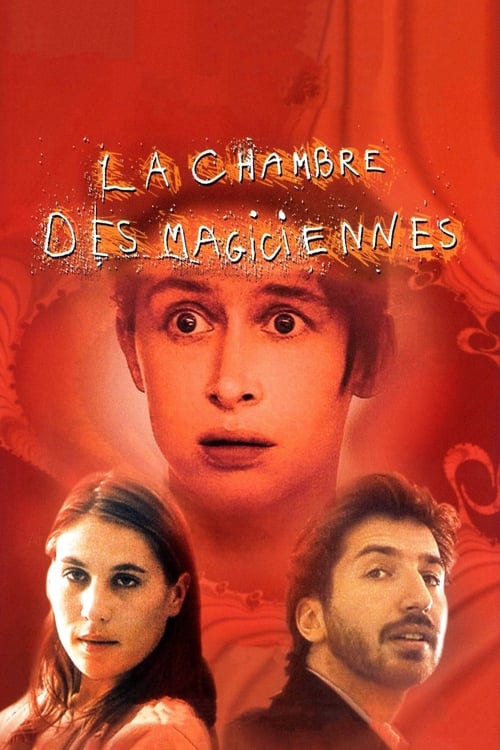
Representation Score
Good
2000
Director
Claude Miller
Runtime
80 minutes
Average Rating
No ratings yetNew Showbiz Analysis
Of Woman and Magic is a character-driven study that centers on women's ability to drive the story and the complexities of physical vulnerability. By focusing on women navigating health, intellect, and aging, the film challenges traditional gender hierarchies. However, the film lacks broad diversity markers. The narrative appears limited by a homogeneous European demographic and a lack of explicit LGBTQ+ representation, which prevents a higher diversity score. Ultimately, the film's strength lies in its nuanced portrayal of disability and the internal lived experiences of its female protagonists.
Category Breakdown
The film focuses on interpersonal connections between three women in a clinical setting. There is no explicit mention of LGBTQ+ identities or same-sex intimacy within the narrative.
The story centers entirely on female experiences, from intellectual pursuits to bodily autonomy. It explores a range of ages through characters like Claire and Eléonore, moving beyond idealized feminine clichés.
The narrative appears to lean toward a homogeneous European demographic. There is no evidence of a multi-ethnic cast within this localized French setting.
The film adopts a secular, psychological approach to the human condition. It prioritizes individual truth and subjective morality over the reliability of traditional medical institutions.
The film integrates both visible and invisible disabilities. Odette’s loss of leg use and Claire’s chronic migraines provide a layered look at how impairment impacts daily life.
Present on Screen
Limited or Absent
Official Synopsis
Claire Weygand, a thirty-year-old young woman who is about to defend her anthropology thesis, unfortunately not only feels bad but even worse and worse with each passing day. The migraine attacks she suffers from indeed keep her from working as hard as she should and in despair she decides to consult Doctor Fish. When the medicine the physician prescribes for her fails, Claire, who can't take it any more, asks him to hospitalize her. In hospital, Claire shares her room with Odette, a young woman who has lost the use of her legs and Eléonore, a frightening old woman. The third episode from "The Blindfold" by Siri Hustvedt.
2020
2015
1993
1995

1993
1978
2004

2009
No reviews yet. Be the first to share your thoughts on this movie!
Use the rating form above to leave a star rating and optional review.