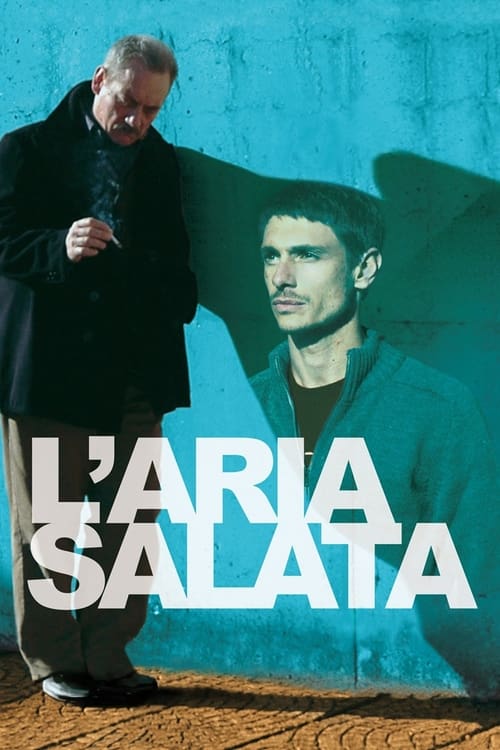
Salty Air
2007
No user ratings available yet
Representation score: 3.5 out of 10

Representation Score
Good
2013
Director
Enrico Maria Artale
Runtime
94 minutes
Average Rating
No ratings yetNew Showbiz Analysis
Il terzo tempo is a character-driven social drama that prioritizes humanistic realism over ideological deconstruction. It finds its depth in the tension between individual struggle and institutional frameworks, particularly through the lens of rehabilitation. The film excels at exploring the vulnerabilities of masculinity and the complexities of the social work system. It avoids idealized family structures, focusing instead on the challenges faced by individuals navigating systemic obstacles. However, the film lacks representation for LGBTQ+ identities or significant female empowerment, remaining largely within traditional masculine structures.
Category Breakdown
The film centers on the mentor-protégé relationship between two men. There is no indication of non-straight or non-cisgender identities or same-sex intimacy among the main characters.
The story revolves around masculine roles, featuring a troubled youth and a disillusioned professional. It does not highlight significant female empowerment or challenge traditional gender roles.
The narrative addresses underrepresented socioeconomic groups through the lens of juvenile delinquency. However, there is no clear evidence of specific racial diversity or non-Anglo-Saxon casting.
The film provides a nuanced look at social institutions by showing them as unstable rather than purely benevolent. It emphasizes rehabilitation over punitive measures within a systemic struggle.
Psychological trauma and grief are central to the plot's progression. While not explicitly described as clinical disabilities, these mental health issues drive the characters' development and growth.
Present on Screen
Limited or Absent
Official Synopsis
Samuel has spent the last few years in and out a juvenile detention center for the crimes theft, assault and drug dealing. Without a real family, he is placed in a rehabilitation program and under the supervision Vincenzo, a social worker undergoing a profound existential crisis: having lost wife in a car crash, Vincenzo is convinced work is pointless and he is frustrated by the performance the down and out rugby team that he coaches after work. When Vincenzo catches the boy in a scuffle, he becomes convinced that Samuel, despite never having played rugby, is the only hope for salvaging the team.
2007

2017

2024

2015

2024

2014
2017
2020
No reviews yet. Be the first to share your thoughts on this movie!
Use the rating form above to leave a star rating and optional review.