
Not For, or Against (Quite the Contrary)
2003
No user ratings available yet
Representation score: 5.7 out of 10

Representation Score
Good
1999
UnratedDirector
Erick Zonca
Runtime
63 minutes
Average Rating
No ratings yetNew Showbiz Analysis
Erick Zonca’s gritty, naturalistic direction emphasizes social realism, focusing on characters living on the fringes of society. The film successfully challenges traditional gender hierarchies by centering a resilient female lead within a criminal underworld. However, the work lacks significant representation regarding race, disability, and LGBTQ+ identities. The focus remains heavily on class-based exclusion and the struggle against indifferent socioeconomic systems rather than multi-layered diversity. Ultimately, the film's strength lies in its institutional critique and its nuanced portrayal of female autonomy, even as it remains limited in its breadth of identity representation.
Category Breakdown
The film does not explicitly address LGBTQ+ identities or non-cisgender expressions. The relationship between Marie and Theo avoids typical romantic clichés but does not challenge the assumption that everyone is straight or cisgender.
Marie is a strong protagonist who navigates a male-dominated criminal world with significant control over her actions. The story avoids the damsel in distress cliché, emphasizing female autonomy in dangerous situations.
The narrative focuses on a localized urban French setting and underrepresented socioeconomic classes. There is no indication of a non-white majority cast or intentional characters who reflect more than one aspect of diversity.
The film critiques Western institutions by depicting the breakdown of family and legal authority. It portrays survival-based theft as a response to systemic socioeconomic issues.
Characters with visible or invisible disabilities are not given significant roles in the narrative. The story remains focused on the survivalist struggles of the main characters.
Present on Screen
Limited or Absent
Official Synopsis
In this French drama, a teenager falls into a life of crime, little realizing the consequences. S. is a moody young man who loses his job at a bakery, and decides to throw in his lot with a group of thieves about the same age as himself. S. and his cronies are strictly small-timers, pulling off second-rate break-ins for an older crime boss, but his willingness to do what he's told helps him rise up the ladder to bigger and more lucrative jobs. However, S. lacks the maturity or experience to deal with the risks, and after a few disastrous mistakes, he finds his fortunes sinking far faster than they rose.
2003

1955

1988

2014

1992

2007
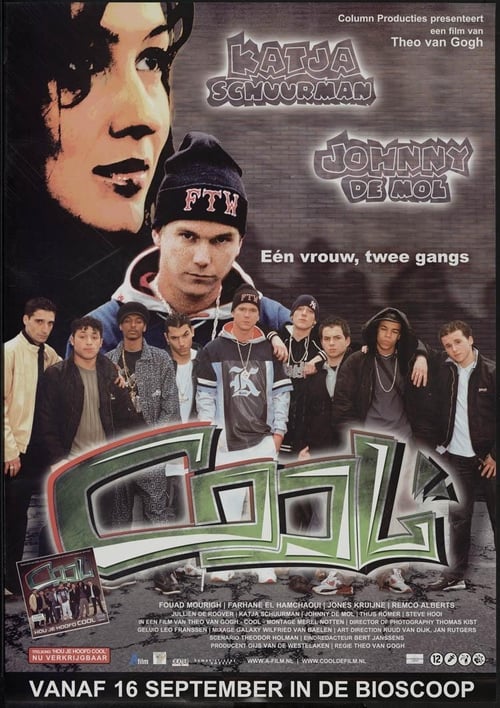
2004

2019
No reviews yet. Be the first to share your thoughts on this movie!
Use the rating form above to leave a star rating and optional review.