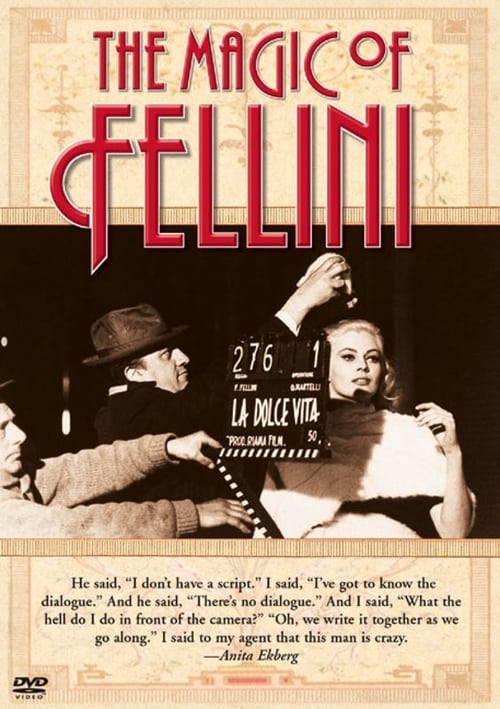
The Magic of Fellini
2002
No user ratings available yet
Diversity score: 4.5 out of 10

1991
Director
Claude Chabrol, Giuseppe Tornatore, Dario Argento, Patrice Leconte, Roman Polanski, Bruce Weber, Andrei Konchalovsky, Federico Fellini, David Lynch, Carlos Saura, Martin Scorsese, Jean-Jacques Annaud, Just Jaeckin, Ridley Scott, Franco Zeffirelli, Jean-Luc Godard, Claude Lelouch, Hugh Hudson, Sergio Leone, Tony Scott, Jean-Marie Boursicot, Ricardo Albiñana, Alain Franchet, David Bailey, Håkan Sjödin, Bob Giraldi, Jean-Paul Goude, Dick Lundy, Gérard Pirès, Walter Lantz, Jean-Pierre Mocky, Don Patterson, Joe Pytka, Étienne Chatiliez, Jaime De La Pena, Michel Israël, Paul J. Smith, Martin Lobo, Julian Cottrell, Theo Delaney, Jean-Baptiste Mondino, Helmut Newton, Richard Slogett, J. Taylor, Atsuta, Robert Delpire, Gérard Jugnot, Eric De La Hosseray, Maurizio Nichetti
Runtime
91 minutes
Average Rating
No ratings yetSynopsis
A collection of European T.V. commercials directed by a variety of well-known directors from across Europe and the U.S. Compiled and produced by Jean-Marie Boursicot.
Overall Score
Fair
Category Breakdown
LGBTQ+ Representation
The anthology features stylized, non-traditional gender expressions within avant-garde and high-fashion segments. However, the content is limited by 1990s advertising standards, lacking explicit or sustained queer narratives.
Gender Representation
The collection presents varied gendered imagery, often placing women in positions of aesthetic power through the lens of specific directors. Conversely, the medium occasionally reinforces conventional femininity via traditional beauty standards.
Racial & Ethnic Diversity
Representation reflects the European demographic landscape of 1991, featuring diverse models as a byproduct of globalized consumerism. The work lacks the intentionality of modern intersectional casting.
Religious & Cultural Diversity
The anthology offers a fragmented, multi-perspective view of European identity through diverse directorial voices. Despite this, the content remains largely tethered to Western consumer capitalism and institutional values.
Disability Representation
There is no significant evidence of characters with visible or invisible disabilities. In this era of commercial media, disability is largely absent from the visual lexicon.
Strengths
Areas for Improvement
AI Analysis
The film functions as a stylistic anthology rather than a narrative feature, which inherently limits deep character development. While the directorial pedigree is extraordinary, the medium of advertising constrains the depth of representation. The work excels in aesthetic diversity, utilizing high-profile filmmakers to challenge visual tropes. However, it remains demographically traditional, reflecting the specific market and social norms of the early 1990s. Ultimately, the diversity is intellectual and stylistic rather than demographic. The collection serves as a historical document of how elite cinematic voices approached the commercial landscape.
2002

2014
1992
1981

1989
2020

1982
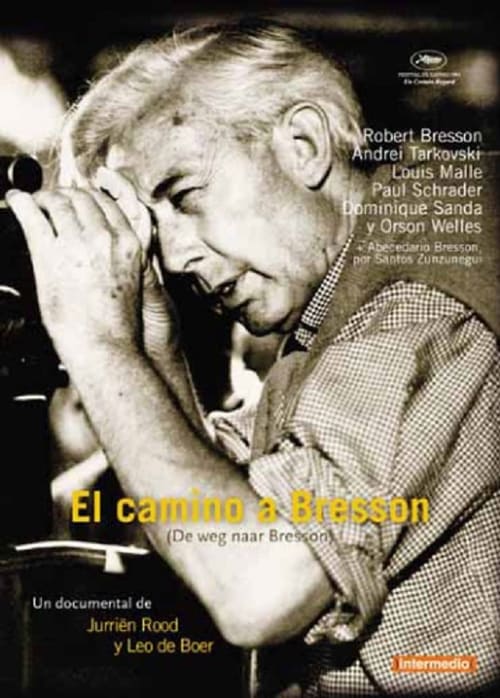
1984
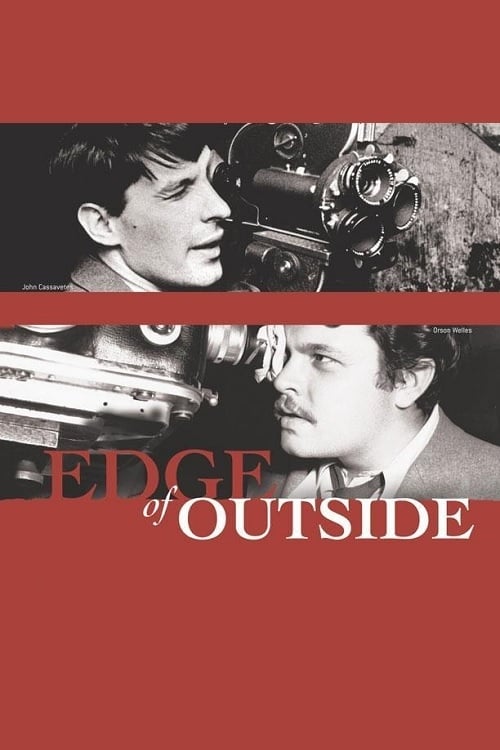
2006
2012
2005
1963
No reviews yet. Be the first to share your thoughts on this movie!
Use the rating form above to leave a star rating and optional review.