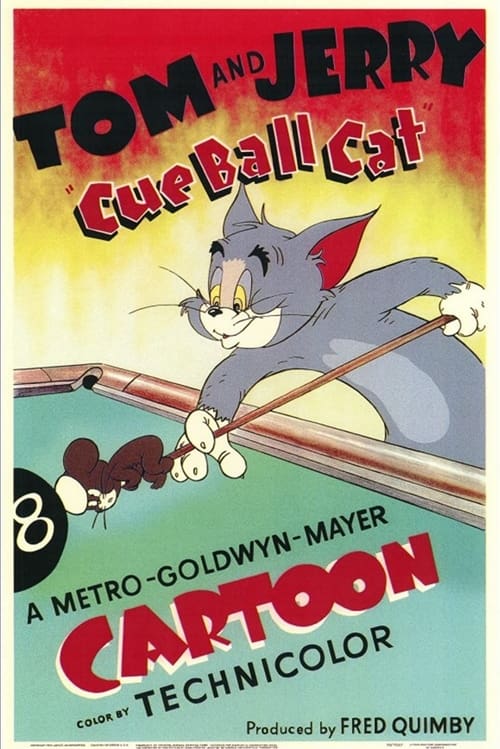
Cue Ball Cat
1950
No user ratings available yet
Diversity score: 1.1 out of 10
1956
NRDirector
Joseph Barbera, William Hanna
Runtime
7 minutes
Average Rating
No ratings yetSynopsis
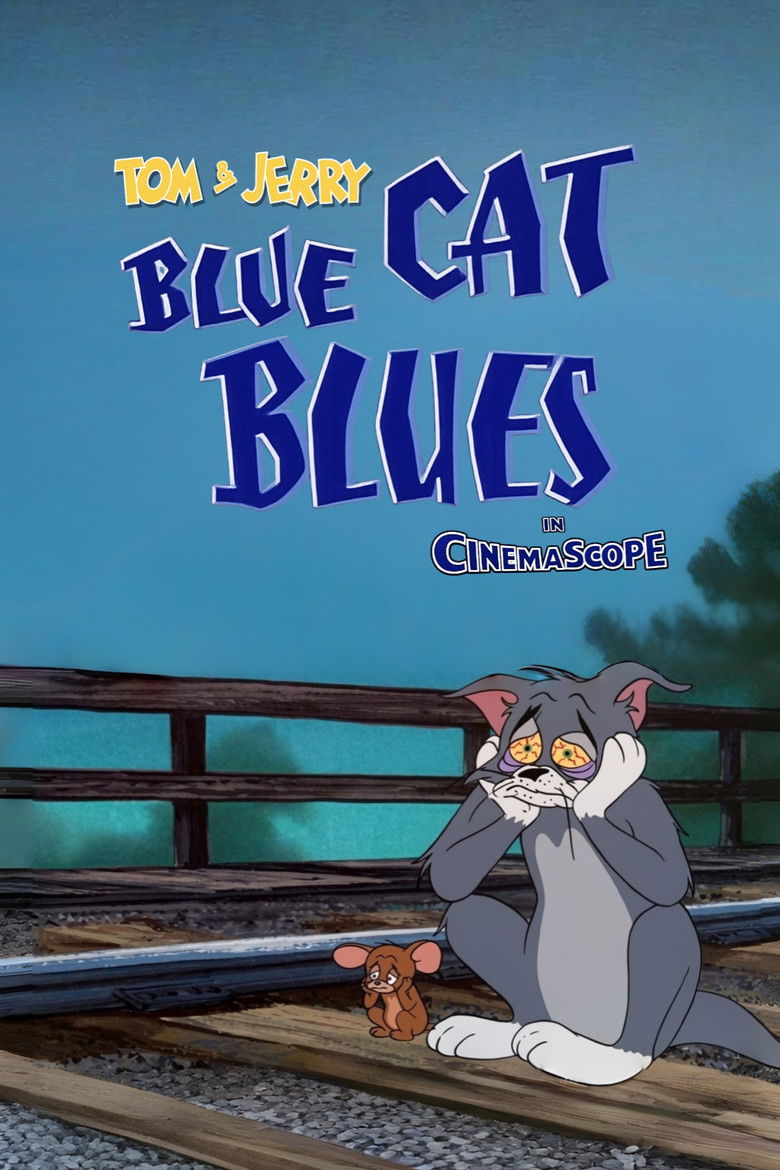
Jerry narrates in voiceover: Tom has fallen hard for the cat next door, and competes with rich cat Butch for her affections. But Butch outspends Tom to a ludicrous level at every turn. Tom goes downhill after that, until we see him contemplating suicide.
Overall Score
Minimal
Category Breakdown
LGBTQ+ Representation
The narrative adheres strictly to heteronormative romantic pursuits. Tom competes with a male counterpart for the affection of a female cat, offering no non-cisnormative identities.
Gender Representation
Female characters function primarily as catalysts for male emotional instability rather than autonomous agents. The film reinforces traditional gender hierarchies through its depiction of romantic pursuit.
Racial & Ethnic Diversity
As an anthropomorphic animation, the film lacks racial or ethnic signifiers. The characters exist within a homogeneous, non-human framework.
Religious & Cultural Diversity
The story presents a cynical view of socioeconomic status where wealth disparity dictates romantic success. It portrays despair as a personal, existential failure rather than a systemic critique.
Disability Representation
The film depicts profound psychological distress and mental health crises. However, these states serve the dark tone rather than providing nuanced character development or agency.
Strengths
Areas for Improvement
AI Analysis
Blue Cat Blues departs from the typical Tom and Jerry slapstick, opting instead for a bleak, nihilistic exploration of romantic failure. The narrative focuses on Tom's socioeconomic inadequacy and his subsequent psychological collapse. While the film subverts the 'competent male' trope by showing protagonists as emotionally fragile, it remains rooted in traditional mid-century frameworks. It lacks intersectional representation, focusing instead on a singular, tragic arc driven by wealth and romantic longing. The animation uses anthropomorphic characters to mirror human distress, yet it fails to engage with diverse identities or progressive social critiques.
1950
1951
1950
1952
1955
1942
1944

1945
1953
1943
1952
1951
No reviews yet. Be the first to share your thoughts on this movie!
Use the rating form above to leave a star rating and optional review.