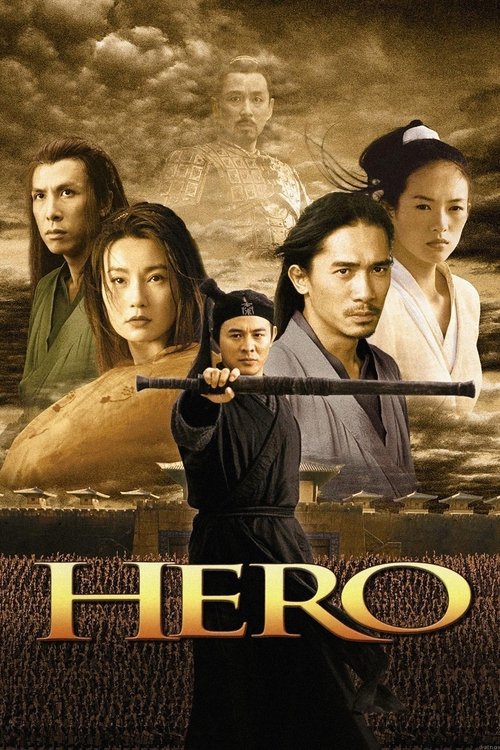
Hero
2002
No user ratings available yet
Representation score: 4.6 out of 10
Representation Score
Fair
2006
RDirector
Zhang Yimou
Runtime
114 minutes
Average Rating
No ratings yetNew Showbiz Analysis
Zhang Yimou’s epic deconstructs the grandiosity of imperial structures to reveal systemic rot. While the film lacks LGBTQ+ and disability representation, it excels in its sophisticated critique of traditional institutions and absolute power. The narrative subverts patriarchal expectations by positioning the Empress as a central, actively leading driver of the plot. This intellectual maneuvering provides a nuanced look at gendered power dynamics within a rigid hierarchy. Ultimately, the film uses class distinctions and anti-authoritarian undertones to challenge the perceived stability of the imperial family, elevating it beyond a standard period drama.
Category Breakdown
The film adheres to a strict assumption that everyone is straight or cisgender. It focuses on imperial lineage and reproductive politics, offering no depictions of non-binary or transgender identities.
The narrative centers the Empress as a primary agent of political maneuvering. She displays high intellectual ability to act, navigating a lethal environment to outmaneuver her male counterparts.
The cast is ethnically homogeneous, reflecting the Tang Dynasty setting. However, the film uses socioeconomic status to explore identity through the divide between royalty and commoners.
The film critiques absolute monarchy and the sanctity of the imperial family. It portrays the traditional family unit as a site of betrayal and psychological warfare.
There is no meaningful representation of physical or neurodivergent disabilities. Characters are defined by political and familial roles rather than disability.
Present on Screen
Limited or Absent
Official Synopsis
During China's Tang dynasty the emperor has taken the princess of a neighboring province as his wife. She has borne him two sons and raised his eldest. Now his control over his dominion is complete, including the royal family itself.
2002
2006
2004

1992
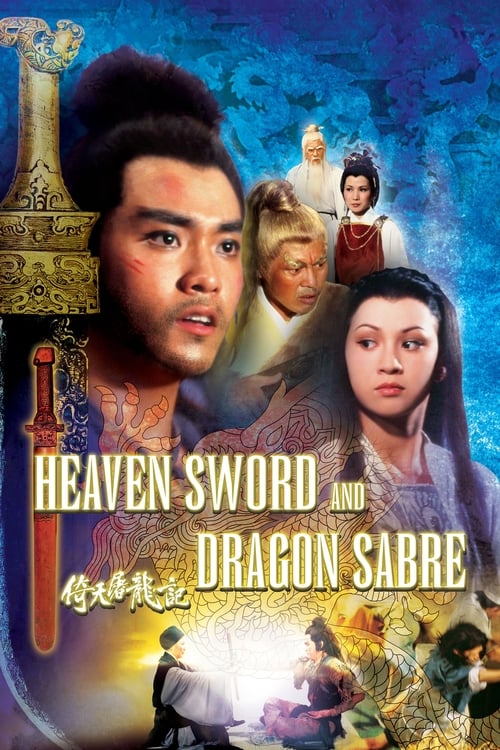
1978
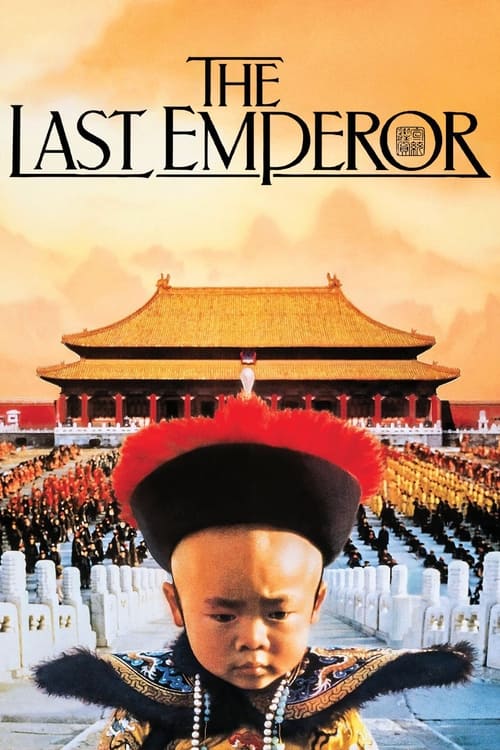
1987
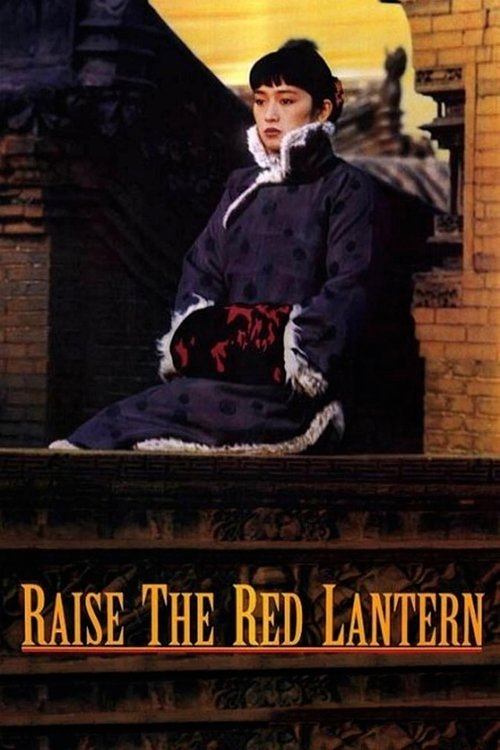
1991
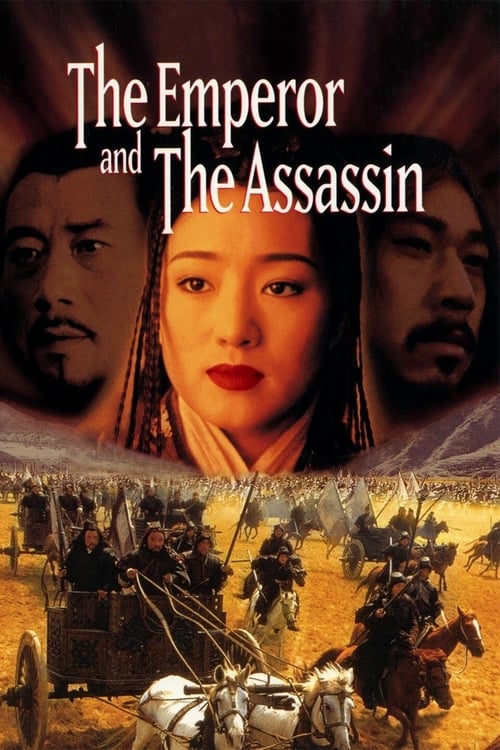
1998
No reviews yet. Be the first to share your thoughts on this movie!
Use the rating form above to leave a star rating and optional review.