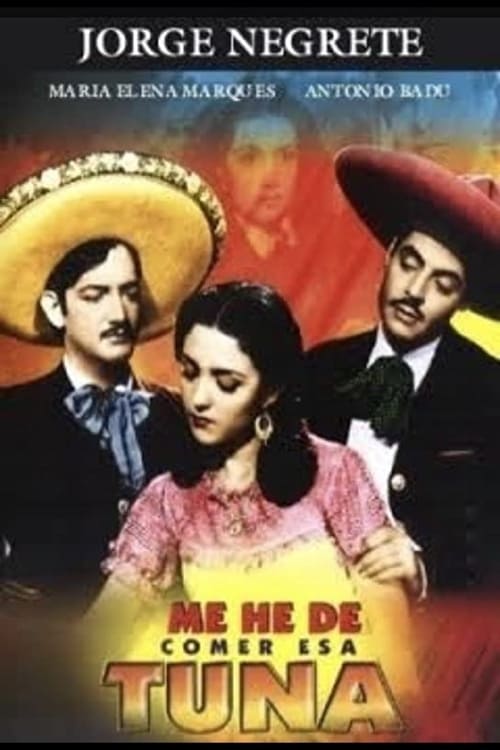
Me he de comer esa tuna
1945
No user ratings available yet
Representation score: 2.5 out of 10
Representation Score
Minimal
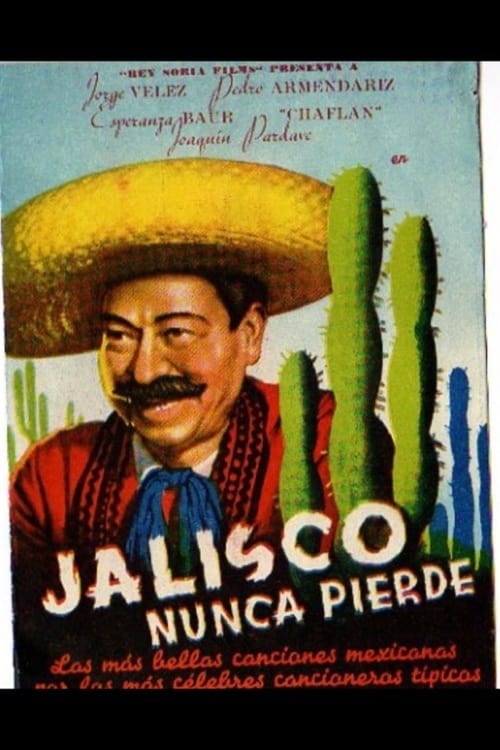
1937
Director
Chano Urueta
Runtime
103 minutes
Average Rating
No ratings yetNew Showbiz Analysis
Jalisco nunca pierde serves as a period-specific artifact of the Golden Age of Mexican cinema. It primarily reflects the social and familial structures of 1930s Mexico without challenging them. The film's reliance on traditional themes such as arranged marriages and hacienda life suggests a narrative that upholds existing social hierarchies. While it offers regional authenticity, it lacks depth in representing diverse identities and social structures.
Category Breakdown
The film does not include any characters with non-binary or LGBTQ+ identities. It focuses on traditional arranged marriages, reinforcing a narrow view of relationships.
The story revolves around romantic and domestic dynamics within a hacienda. This setup likely reinforces traditional gender roles and patriarchal family structures typical of the 1930s.
Set in Jalisco, the film offers regional authenticity and a non-Anglo-Saxon perspective. However, it presents a homogeneous view of Mexican regional identity.
The hacienda setting and themes of arranged marriage support traditional social institutions. The film adheres to the cultural norms of its era regarding family and societal order.
There are no characters with visible or invisible disabilities mentioned in the narrative.
Present on Screen
Limited or Absent
Official Synopsis
Arranged marriages vs romance down on the hacienda.
1945
1945

1953
1951
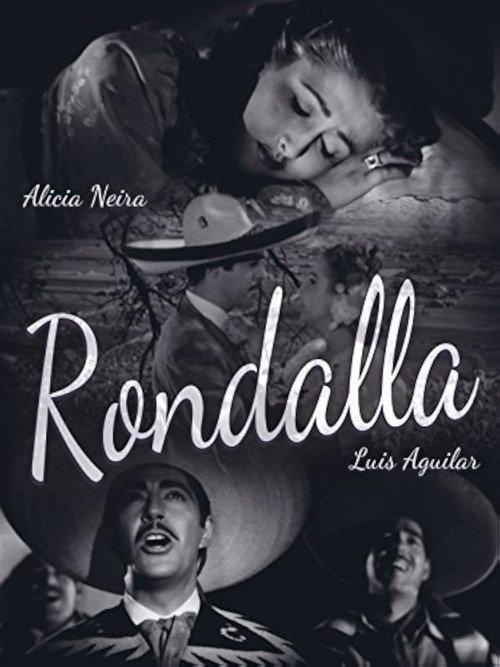
1949
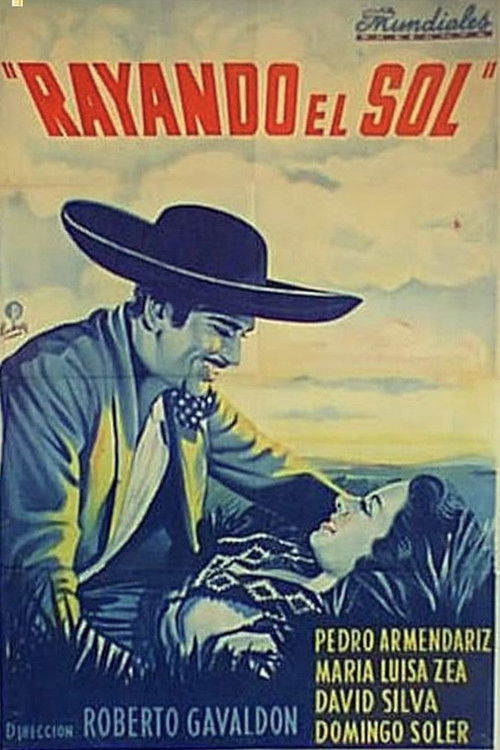
1946
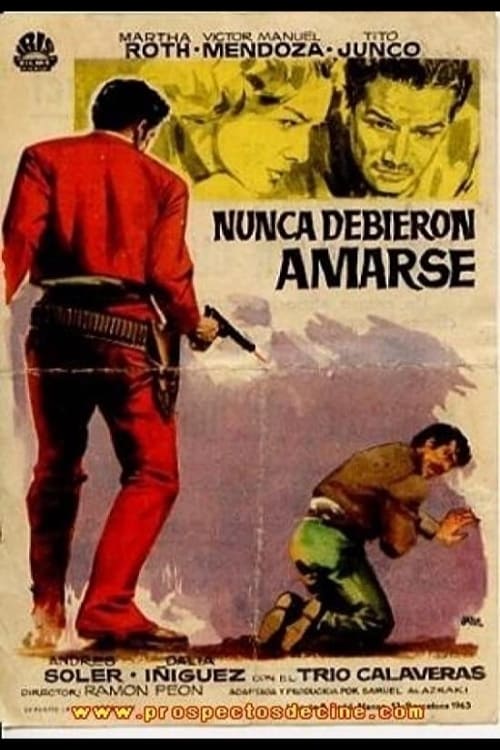
1951
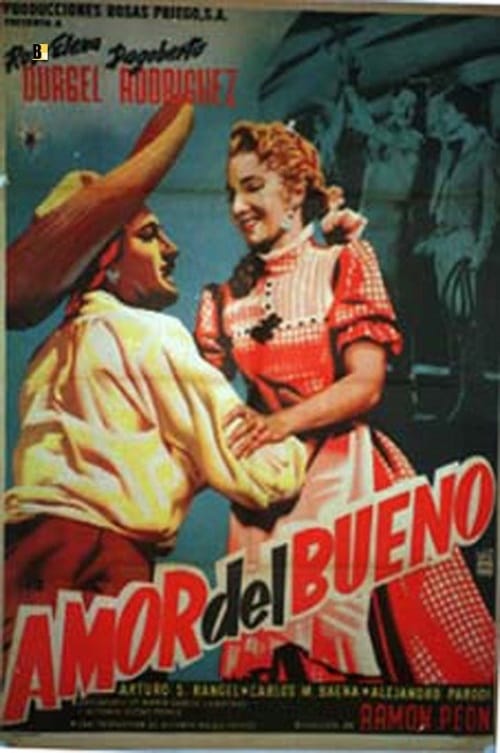
1957
No reviews yet. Be the first to share your thoughts on this movie!
Use the rating form above to leave a star rating and optional review.