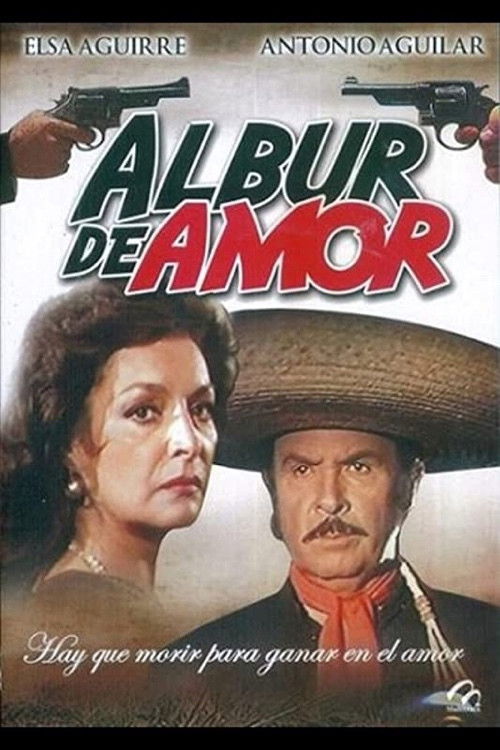
Albur de amor
1980
No user ratings available yet
Representation score: 1.3 out of 10

Representation Score
Limited
1949
TV-14Director
Víctor Urruchúa
Runtime
77 minutes
Average Rating
No ratings yetNew Showbiz Analysis
Rondalla is a traditional mid-century melodrama that upholds the social and moral hierarchies of its time. The narrative focuses on a romantic triangle within a traditional estate, suggesting a reliance on established genre clichés. The film lacks progressive elements, emphasizing traditional romantic archetypes and rigid social structures. While it centers Mexican identity, it does not challenge the period's status quo. Ultimately, the work serves as a typical example of 1940s storytelling, prioritizing stability and conventional relationship dynamics over social deconstruction.
Category Breakdown
The film does not include any non-straight or non-cisgender identities or same-sex relationships. The romantic triangle seems to follow the traditional structures typical of 1940s melodramas.
Women are portrayed primarily as objects of desire or emotional catalysts in a male-dominated storyline. The narrative does not show women taking significant action or subverting traditional domestic roles.
As a Mexican production, the film centers on non-Anglo-Saxon identities. However, the hacienda setting may reinforce existing class and racial divisions rather than breaking them down.
The hacienda setting highlights traditional land ownership and social order. The story appears grounded in traditional morality aimed at maintaining social stability.
There is no information available regarding the portrayal of characters with physical or neurodivergent disabilities.
Present on Screen
Limited or Absent
Official Synopsis
A woman who has been raped (Alicia Neira) sets out to rebuild her life with another man (Luis Aguilar), but the bandit who assaulted her (Enrique Zambrano) stands in her way.
1980

2012

1945

1992

1945
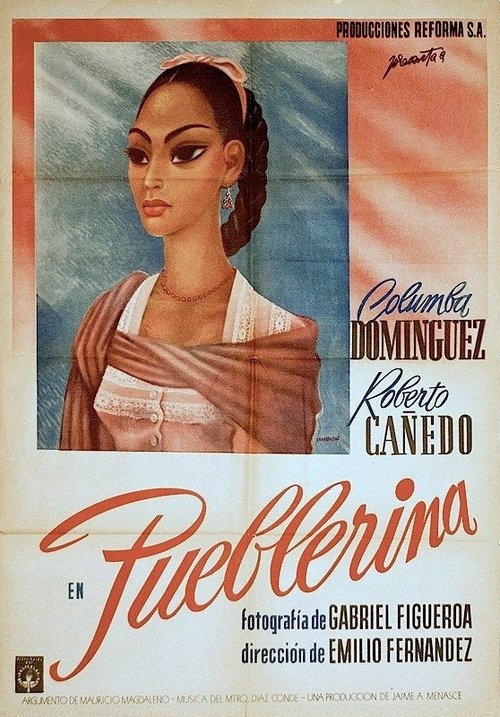
1949

1951

1948
No reviews yet. Be the first to share your thoughts on this movie!
Use the rating form above to leave a star rating and optional review.