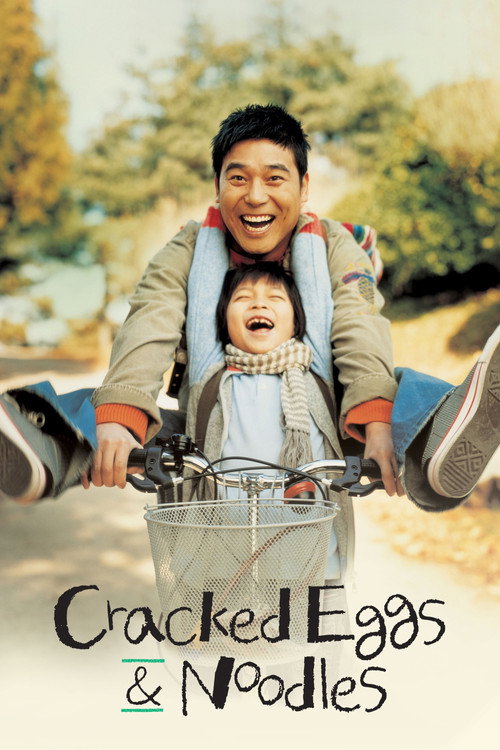
Cracked Eggs and Noodles
2005
No user ratings available yet
Representation score: 3.9 out of 10
Representation Score
Fair
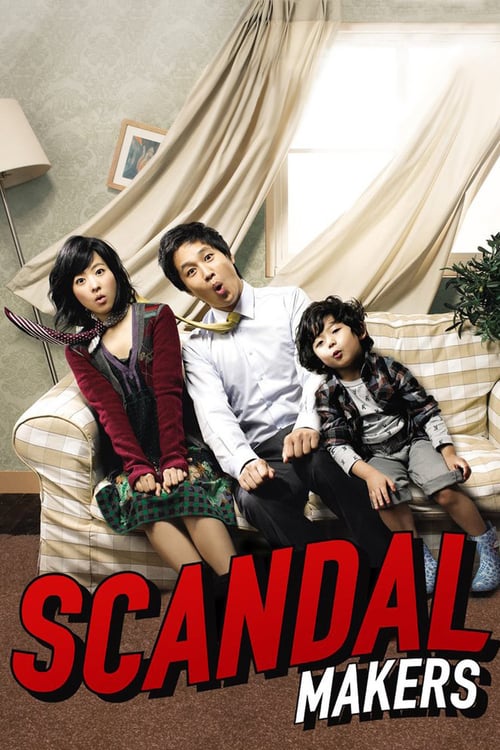
2008
Director
Kang Hyoung-chul
Runtime
108 minutes
Average Rating
No ratings yetNew Showbiz Analysis
Scandal Makers is a character-driven comedy that explores how unplanned parenthood disrupts a celebrity's carefully curated public persona. While it offers a nuanced look at unconventional family units, the film operates within traditional cinematic and cultural boundaries. The narrative focuses heavily on domestic social hierarchies and the internal mechanics of South Korean celebrity culture. This focus results in a largely monolithic ethnic and social landscape that lacks multi-layered complexity. Ultimately, the film prioritizes the disruption of social reputation over systemic issues. It functions as a mainstream romantic comedy that explores personal ethics rather than challenging broader societal structures.
Category Breakdown
The film follows traditional heterosexual structures, focusing on romantic arcs and conflicts based on traditional gender pairings without considering non-straight or non-cisgender identities.
The female lead drives the plot with significant influence, while the male characters grapple with their masculinity due to unplanned parenthood.
Set in a culturally homogeneous South Korean context, the film presents a monolithic ethnic landscape without engaging with diverse racial backgrounds or color-blind casting.
The story critiques the performative nature of the idol industry and the tension between private truth and public morality. It portrays family as a complex source of connection.
There is no significant evidence of visible or invisible disability representation. The narrative does not use disability as a central theme or character development tool.
Present on Screen
Limited or Absent
Official Synopsis
Former teen idol Nam Hyeon-soo is now in his thirties and working as a radio DJ. One day a young woman named Jeong-nam shows up and claims to be his own daughter. She also has a son whom she claims to be Hyeon-soo's grandson. Their relation is proven via DNA tests by Hyeon-soo's brother. This leads to Hyeon-soo attempting to avoid a scandal concerning him having children "unknown" to the media.
2005

2005
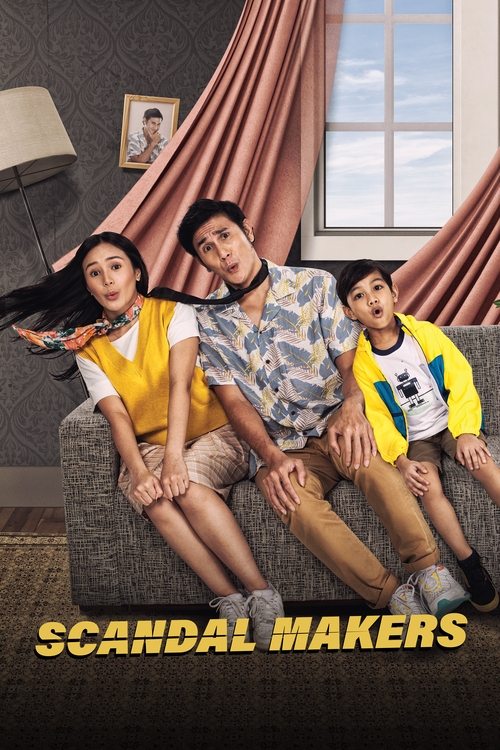
2023

2011
2022

2011
2020

2013
No reviews yet. Be the first to share your thoughts on this movie!
Use the rating form above to leave a star rating and optional review.