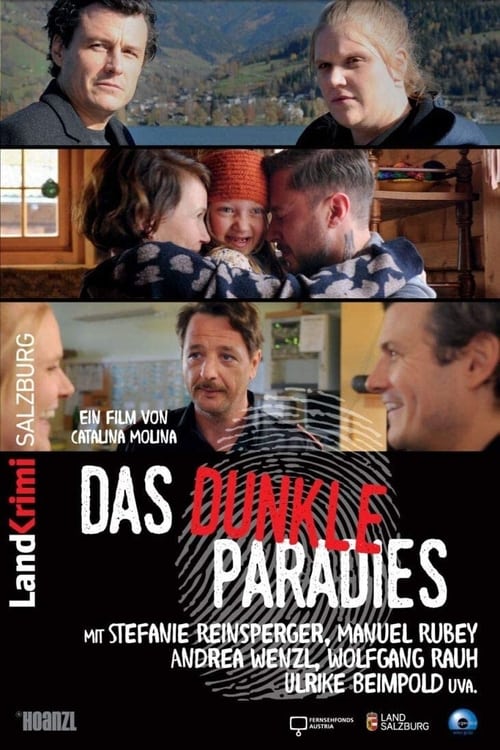
Das dunkle Paradies
2019
No user ratings available yet
Diversity score: 5.7 out of 10
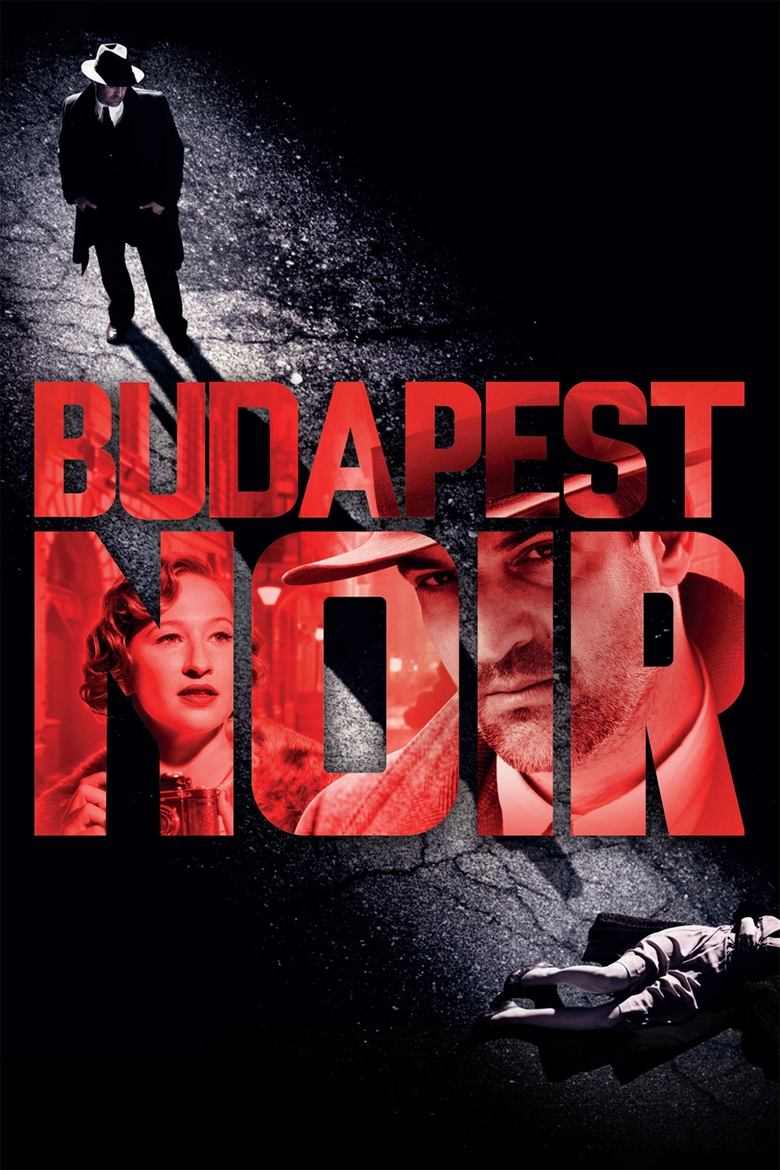
2017
Director
Éva Gárdos
Runtime
95 minutes
Average Rating
No ratings yetSynopsis
A murder mystery set in 1936 Budapest, just as Hungary was preparing to align itself with Hitler. A beautiful young girl is found dead and nobody wants to investigate—except Gordon, a crime reporter who has a gut feeling that things are not what they seem.
Overall Score
Fair
Category Breakdown
LGBTQ+ Representation
The film lacks explicit confirmation of queer identities or non-heteronormative characters. While the noir genre often explores marginalized lifestyles, there is no specific evidence of LGBTQ+ agency here.
Gender Representation
The plot is driven by the death of a young woman, highlighting female vulnerability in a patriarchal society. However, it is unclear if female characters possess independent agency or merely serve as catalysts.
Racial & Ethnic Diversity
The 1936 Hungarian setting naturally reflects the era's specific demographics. There is no indication that the film subverts the period's racial homogeneity or includes non-European perspectives.
Religious & Cultural Diversity
The narrative critiques the corruption of national institutions during a period of political radicalization. It prioritizes individual truth over the state-mandated reality of a shifting, extremist regime.
Disability Representation
There is no information available regarding the portrayal of physical or neurodivergent disabilities in this work.
Strengths
Areas for Improvement
AI Analysis
Budapest Noir uses the crime genre to examine the erosion of civil liberties in pre-WWII Hungary. The film focuses on the tension between a corrupting state and the individual pursuit of justice. While the film offers a strong critique of institutional integrity and systemic corruption, it lacks explicit representation of diverse identities. The narrative is heavily shaped by the historical constraints of its 1936 setting. Ultimately, the film's value lies in its sociopolitical commentary rather than modern intersectional representation. It explores how political shifts impact personal agency and the truth.
2019
2015
2019
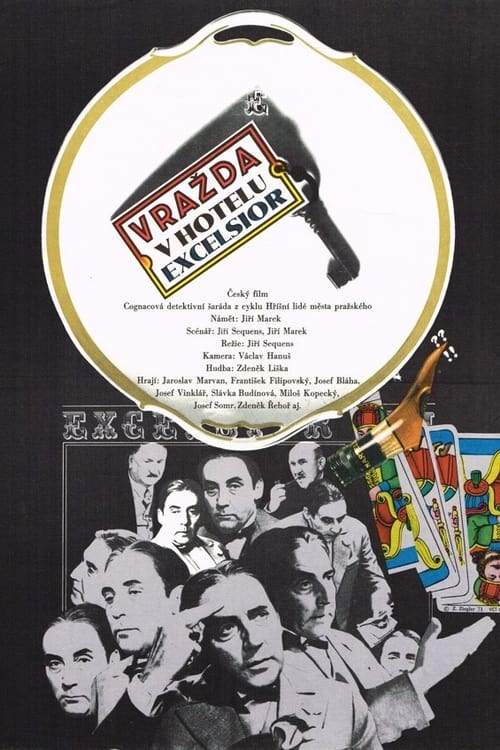
1971

2011
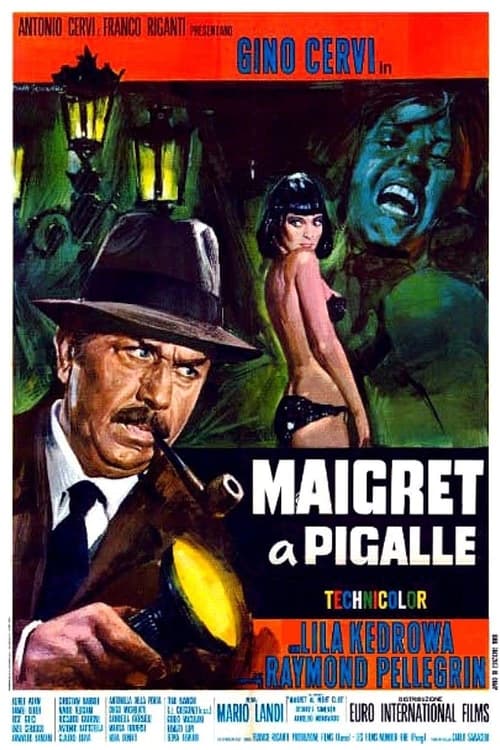
1966
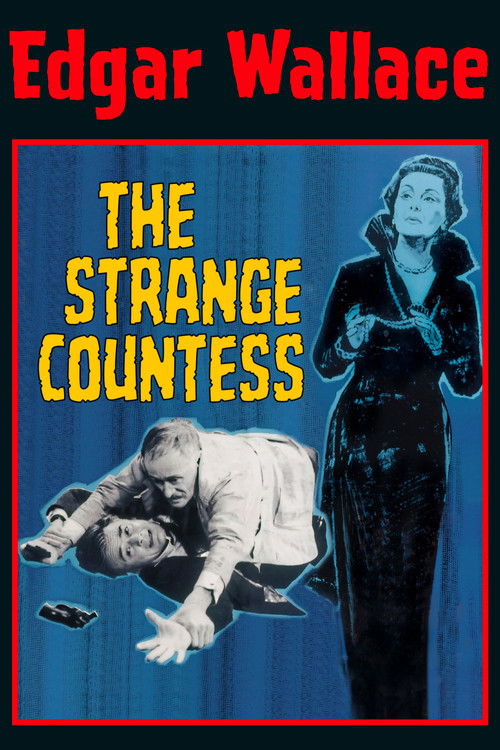
1961
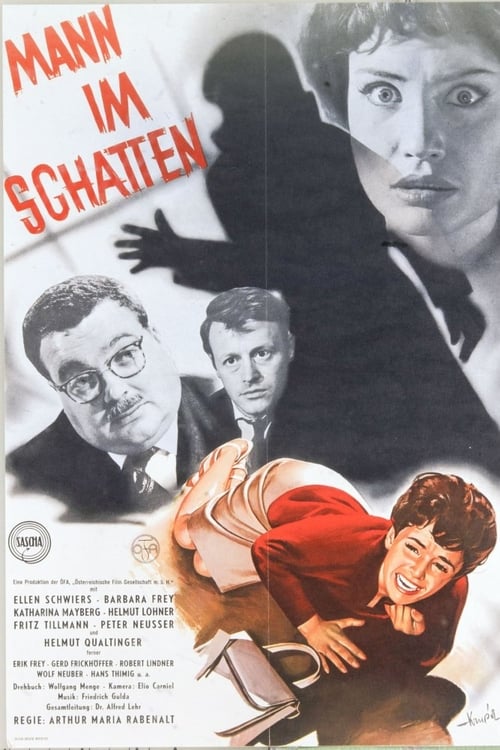
1961

2019
2015

1952
2019
No reviews yet. Be the first to share your thoughts on this movie!
Use the rating form above to leave a star rating and optional review.