
Only Clouds Move the Stars
1998
No user ratings available yet
Representation score: 3.0 out of 10
Representation Score
Minimal
1994
Director
Marius Holst
Runtime
96 minutes
Average Rating
No ratings yetNew Showbiz Analysis
The film operates as a conventional psychological thriller that prioritizes genre conventions over social representation. It adheres to traditional narrative structures, focusing on individual obsession rather than broader social issues. Representation is limited by the film's localized Danish context and its reliance on established power dynamics. Character roles reinforce existing social hierarchies rather than challenging them. Ultimately, the work functions as a character study within a homogeneous setting, lacking intentionality regarding underrepresented identities or diverse social perspectives.
Category Breakdown
The film does not include any LGBTQ+ characters or non-straight relationships. The plot revolves around traditional suspense and interpersonal conflicts.
The film features a female protagonist who is placed in a position of vulnerability. Her role is mostly reactive to the actions of a male antagonist.
The production reflects a homogeneous social environment typical of 1990s European dramas. There is a notable lack of diverse casting and multicultural elements.
The story operates within standard psychological thriller conventions. It does not critique Western institutions or promote secular or anti-capitalist sentiments.
The film does not feature any characters with physical, sensory, or neurodivergent disabilities. The narrative does not address disability representation.
Present on Screen
Limited or Absent
Official Synopsis
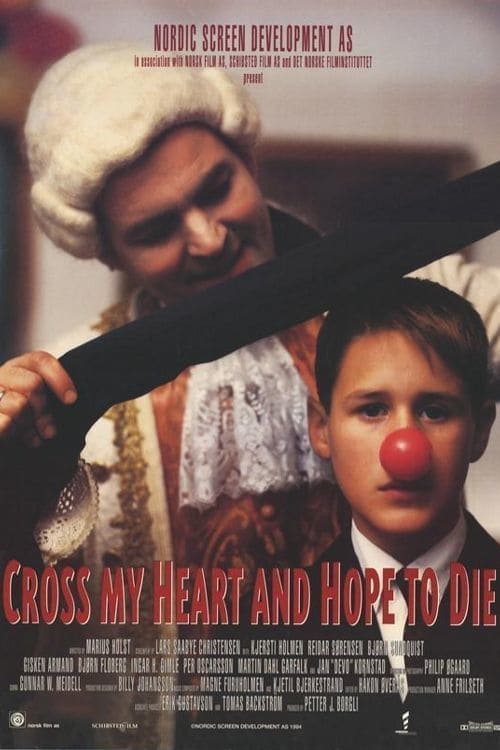
A story about a young boy, Otto, whose childhood is brought to an abrupt end when Frank, an older boy, suddenly enters his life.
1998

2003
1988
1985

2000

1999
2002

1995
No reviews yet. Be the first to share your thoughts on this movie!
Use the rating form above to leave a star rating and optional review.