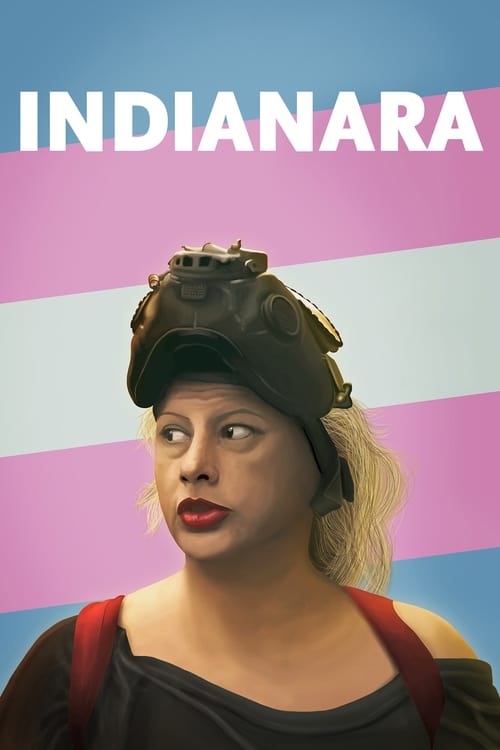
Indianara
2019
No user ratings available yet
Representation score: 7.2 out of 10
Representation Score
Excellent
2022
Director
Isabelle Solas
Runtime
100 minutes
Average Rating
No ratings yetNew Showbiz Analysis
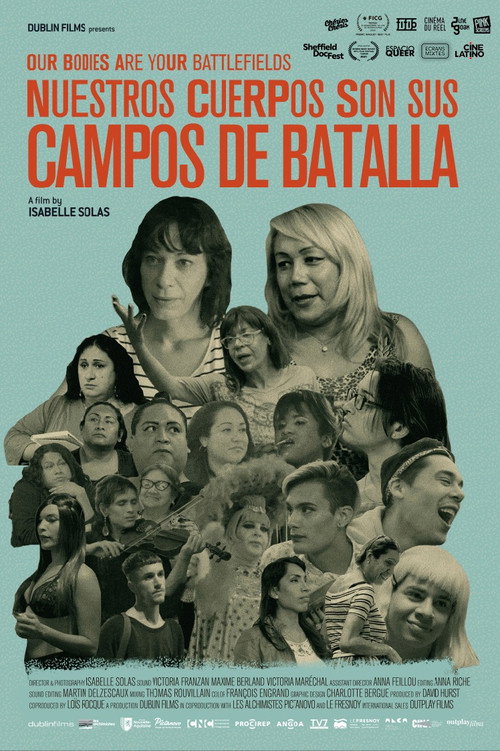
The film opens with the stark reality of a murder trial, where the victim’s gender identity is named as a motive for violence. This legal framework sets the tone: the body is a political site. Isabelle Solas’s documentary centers two trans women, Claudia and Violeta, who navigate a society divided between conservatism and feminist momentum. The camera lingers on their faces, their speeches, and their daily lives, treating their existence as a form of resistance. The sold meaning is clear: traditional hierarchies of gender and family are obstacles to be dismantled. The film argues that the state and religious institutions have historically policed bodies, and that liberation requires a collective, embodied fight. Claudia’s journey from a hairdresser in the 2001 economic crash to a graduate and orator illustrates this arc of empowerment. The film does not shy away from the visceral nature of the struggle; it shows the violence, the legal battles, and the community support. The ending is not a resolution but a continuation. The activists are shown still fighting, still organizing, still alive. The moral verdict is that the revolution is ongoing. The film rewards persistence and solidarity, framing the fight for bodily autonomy as inseparable from broader struggles against patriarchy and state control. It is a portrait of resilience, where the last word belongs to those who refuse to be silenced.
Category Breakdown
Trans women Claudia and Violeta anchor the narrative with dignity and agency. The film validates 'transvestite' as a distinct self-identification, rejecting binary constraints. Their political and intimate lives drive the story forward.
Women and trans women occupy the moral and intellectual center of the frame. Men appear primarily as perpetrators of violence or background figures. Patriarchal structures are identified as the root of conflict.
The cast is primarily Latina and Argentine, focusing on local class and gender dynamics. Angela Davis is credited but remains secondary to the activists. The lens stays national rather than pursuing broad global intersectionality.
Traditional institutions like the church and state are framed as obstacles to bodily autonomy. The film champions secular, progressive values. The fight for rights is positioned as a continuation of historical revolution.
No characters with physical or cognitive disabilities are featured on screen. The focus remains strictly on gender identity and reproductive rights. Disability is absent as a lived experience in the narrative.
Present on Screen
Limited or Absent
Official Synopsis
In an Argentina divided between a deep conservatism and an unprecedented momentum in feminism, the film delves into the political journey and intimate lives of Claudia and Violeta. Trans women who identify as transvestites, the fight they lead with their comrades against the patriarchal violence is visceral and embodied. Convinced of their roles at the center of an ongoing revolution that intersects with so many struggles, in defiance of the old world they redouble their energy to invent a new present, to love and stay alive.
2019
2017

2019
2016
2014

2019

2020

2020
No reviews yet. Be the first to share your thoughts on this movie!
Use the rating form above to leave a star rating and optional review.