
Lucy
2003
No user ratings available yet
Diversity score: 3.0 out of 10
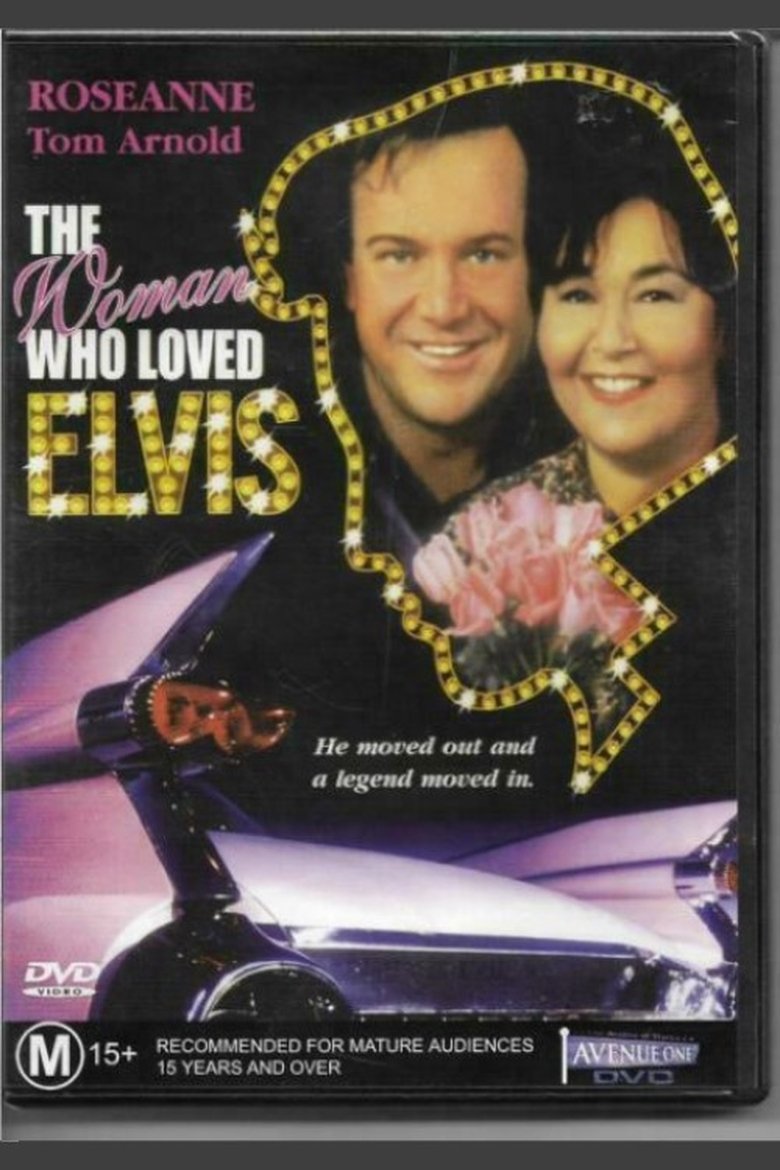
1993
PG-13Director
Bill Bixby
Runtime
91 minutes
Average Rating
No ratings yetSynopsis
It's 1982, and Midwestern housewife Joyce Jackson is obsessed with Elvis Presley; she's even used the King of Rock and Roll's inspiration to turn her house into a wacky shrine. Convinced Presley's still alive, Joyce concocts a plan to find and meet him, and enlists her on-again, off-again husband to help.
Overall Score
Limited
Category Breakdown
LGBTQ+ Representation
The story centers on a heterosexual marital relationship between Joyce and her husband. No queer identities or non-cisnormative narratives are present in this domestic drama.
Gender Representation
Joyce Jackson serves as a female protagonist with agency in her quest. However, the plot risks relying on the 'obsessed housewife' trope common in traditional gendered archetypes.
Racial & Ethnic Diversity
The Midwestern setting and focus on Elvis Presley suggest a demographic homogeneity. There is no evidence of diverse casting or intersectional representation within the narrative.
Religious & Cultural Diversity
The film explores themes of fandom and Americana through the lens of Elvis Presley. It reinforces traditional Western social structures rather than offering a cultural critique.
Disability Representation
The narrative contains no mention of characters navigating physical, neurodivergent, or mental health conditions.
Strengths
Areas for Improvement
AI Analysis
The film operates within the conventional dramatic structures of early 1990s television. While it centers on a female lead, the narrative remains tethered to traditional domestic tropes and heteronormative frameworks. There is a notable lack of intersectional complexity. The story focuses on a singular cultural icon and a standard Midwestern family unit, which limits the scope of social or cultural exploration. Ultimately, the work functions as a character-driven domestic drama that adheres to established social hierarchies rather than challenging them.
2003

1990
1988

2021
1996

2025
No reviews yet. Be the first to share your thoughts on this movie!
Use the rating form above to leave a star rating and optional review.